In the dynamic landscape of industrial automation, proximity sensors are indispensable components, enabling non-contact detection of objects and ensuring seamless operations. A common and critical question for procurement specialists, maintenance engineers, and project managers is: "How much does a new proximity sensor cost?" The answer is not a single figure but a spectrum influenced by a complex interplay of factors. Understanding this pricing matrix is essential for making informed, cost-effective purchasing decisions that align with technical requirements and budget constraints.
The price of a proximity sensor is primarily dictated by its underlying technology. The most common types include Inductive, Capacitive, and Ultrasonic sensors, each with distinct cost points. Inductive sensors, used for detecting metallic objects, are generally the most economical, with basic shielded models starting as low as $20 to $50 USD. Capacitive sensors, capable of detecting both metallic and non-metallic materials like liquids or plastics, tend to be slightly more expensive, typically ranging from $30 to $80 for standard units. Ultrasonic sensors, offering longer detection ranges and the ability to sense various materials regardless of color or transparency, command a higher price, often beginning around $50 and exceeding $200 for advanced models with sophisticated analog outputs or background suppression features.
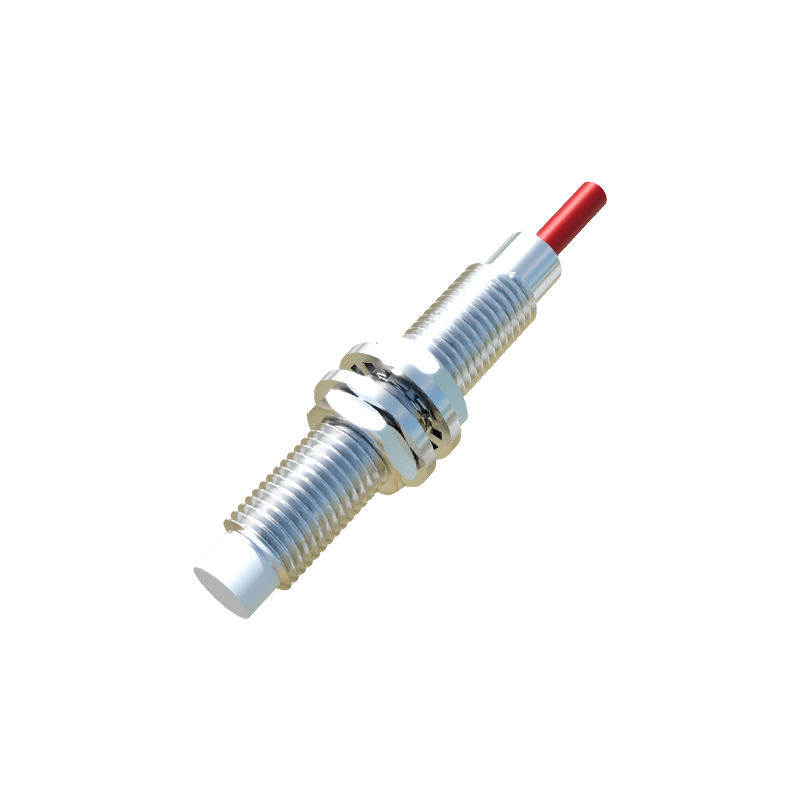
Beyond the core technology, specifications significantly impact the final price. Detection range is a major cost driver; a sensor with a 2mm range will be substantially cheaper than one rated for 20mm. The housing material also plays a role; rugged, stainless-steel housings designed for harsh environments (IP67, IP69K ratings) are more costly than standard PBT or nickel-plated brass housings. Output configuration is another key factor. Basic two-wire DC sensors with a simple PNP or NPN transistor output are less expensive. Models with analog current (4-20mA) or voltage (0-10V) outputs, or those with IO-Link digital communication for Industry 4.0 integration, add considerable value and cost, potentially doubling or tripling the price of a basic unit.
Brand reputation and supply chain positioning are undeniable factors in pricing. Established global leaders like Siemens, Omron, Pepperl+Fuchs, and Balluff offer premium products with proven reliability, extensive technical support, and global availability. Their sensors often sit at the higher end of the price spectrum. In contrast, many reputable mid-tier and value-oriented brands provide robust alternatives at more competitive prices, offering excellent performance for standard applications without the brand-name premium. Furthermore, the choice between a standardized, catalog sensor and a highly specialized custom-engineered solution creates a vast price chasm, with the latter incurring significant development costs.
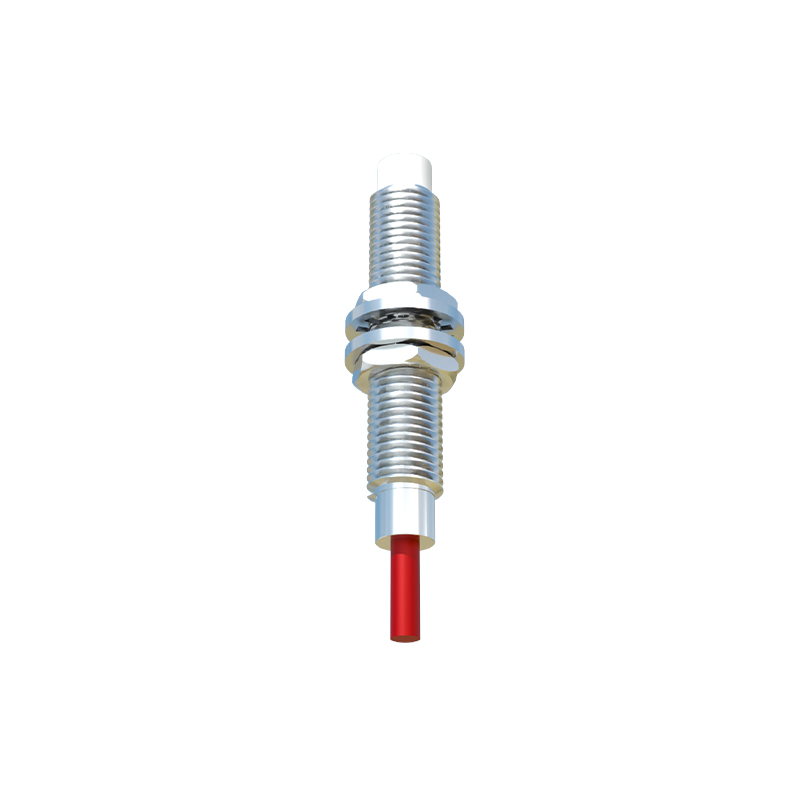
For accurate budgeting, consider the following approximate price brackets for standard, off-the-shelf inductive proximity sensors in common M12 or M18 form factors:
Economy/Basic Grade: $15 - $40. Suitable for simple, non-critical applications.
Standard/Industrial Grade: $40 - $100. The most common range, offering good reliability, standard sensing ranges (e.g., 5-8mm), and IP67 protection.
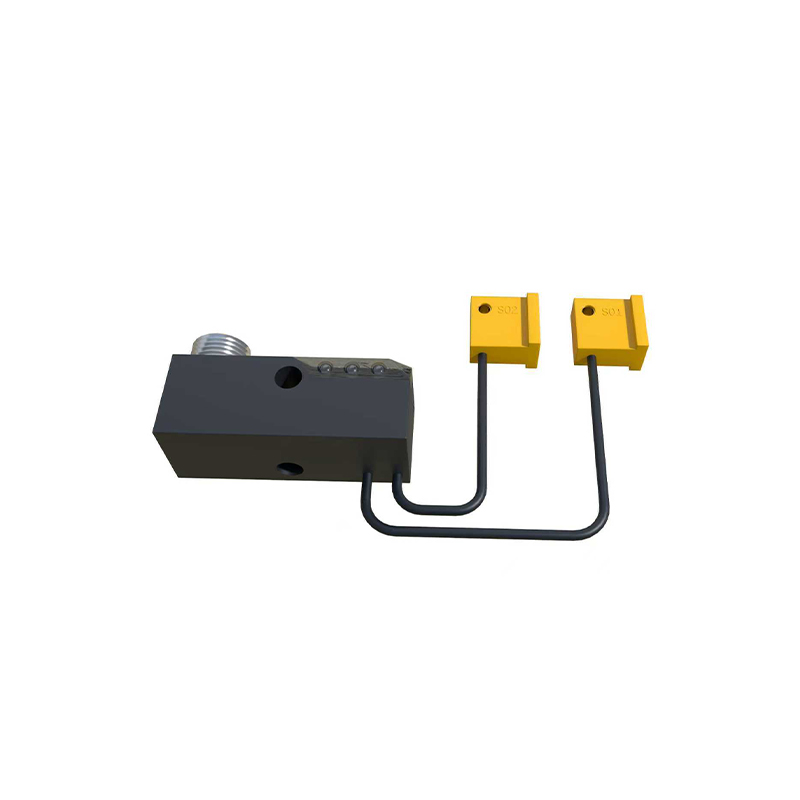
High-Performance/Premium Grade: $100 - $300+. Features include extended sensing ranges (>15mm), exceptional chemical resistance, high-temperature tolerance, advanced diagnostics via IO-Link, or specialized form factors.
Ultimately, the true cost extends beyond the initial purchase price (CAPEX). Total Cost of Ownership (TCO) includes installation time, maintenance, downtime due to failure, and energy consumption. Investing in a slightly more expensive, high-quality sensor from a reliable supplier can lead to significant long-term savings by minimizing unplanned downtime and replacement frequency. When sourcing, clearly define your application requirements: target material, required sensing distance, environmental conditions (temperature, washdown), output signal needed, and required certifications (e.g., ATEX for hazardous areas). With these parameters in hand, you can effectively compare offerings from multiple suppliers to find the optimal balance between performance, durability, and cost, ensuring your new proximity sensor is a valuable and reliable asset on your production floor.