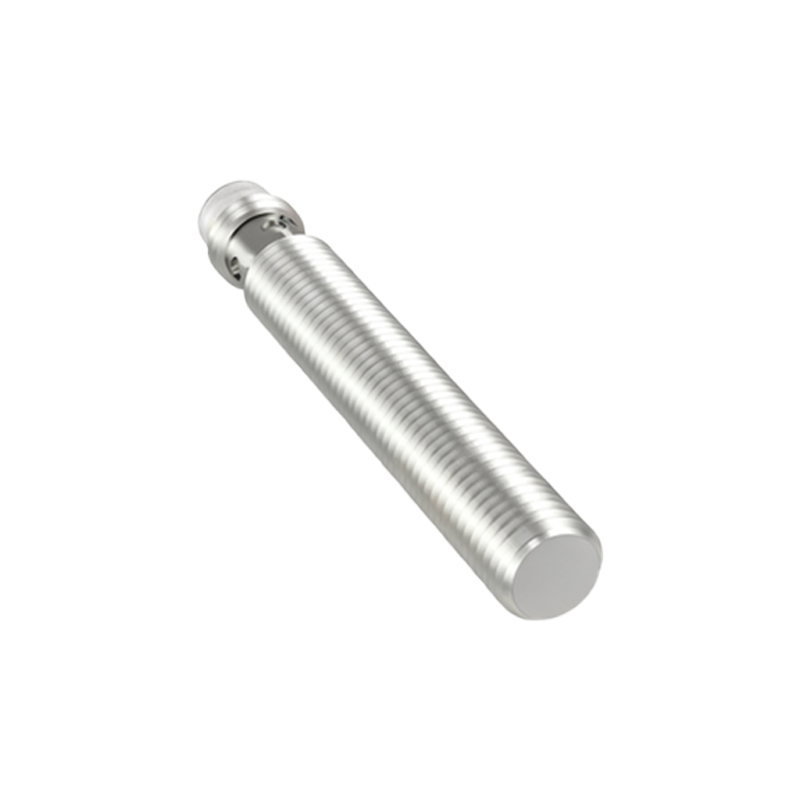
Proximity sensors are indispensable components in modern industrial automation, offering non-contact detection of objects within a defined range. These devices are engineered to enhance operational efficiency, safety, and reliability across various sectors, including manufacturing, automotive, and packaging. One of the primary features of proximity sensors is their ability to detect objects without physical contact. This non-contact operation minimizes wear and tear, thereby extending the sensor's lifespan and reducing maintenance costs. Unlike mechanical switches that require direct interaction, proximity sensors use electromagnetic fields, infrared light, or ultrasonic waves to sense presence, making them ideal for harsh environments where contamination or mechanical stress is a concern.
Another significant characteristic is their high precision and repeatability. Proximity sensors can detect objects with millimeter accuracy, ensuring consistent performance in applications such as positioning, counting, and quality control. For instance, in assembly lines, they verify the presence of components with minimal error, preventing production defects. This precision is coupled with fast response times, often in the microsecond range, which allows for real-time monitoring and control in high-speed processes.
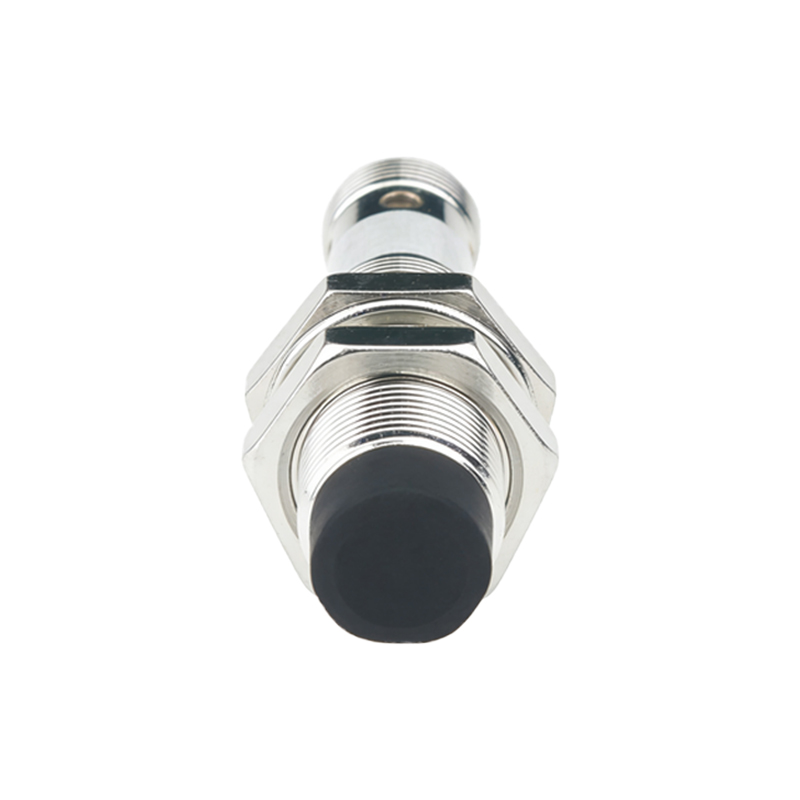
Durability and robustness are also key attributes. Many proximity sensors are built with rugged housings, typically from materials like stainless steel or nickel-plated brass, providing resistance to moisture, dust, chemicals, and extreme temperatures. This makes them suitable for use in challenging conditions, such as outdoor installations or heavy machinery. Additionally, they are available in various types, including inductive, capacitive, and photoelectric sensors, each tailored to specific materials and environments. Inductive sensors, for example, excel at detecting metallic objects, while capacitive sensors can handle non-metallic substances like plastics or liquids.
Energy efficiency is another notable feature. Modern proximity sensors are designed with low power consumption, contributing to sustainable operations and cost savings. They often incorporate energy-saving modes, such as sleep or standby functions, without compromising detection capabilities. Furthermore, these sensors support easy integration with control systems through standard interfaces like IO-Link or analog outputs, facilitating seamless communication in Industry 4.0 setups.
In summary, proximity sensors offer a blend of non-contact detection, precision, durability, and efficiency, making them vital for optimizing industrial processes. Their adaptability to diverse applications underscores their role in advancing automation and smart manufacturing.