Photoelectric proximity sensors are indispensable components in modern industrial automation, offering non-contact detection of objects with high precision and reliability. These sensors operate by emitting a beam of light—typically infrared, visible red, or laser—and detecting changes in the received light signal caused by the presence or absence of a target object. Understanding how to properly use these sensors is crucial for optimizing performance in diverse applications, from packaging and material handling to assembly line monitoring and safety systems.
The first step in using a photoelectric proximity sensor involves selecting the appropriate type based on the application requirements. The three primary sensing modes are through-beam, retro-reflective, and diffuse reflective. Through-beam sensors consist of separate emitter and receiver units, providing the longest sensing ranges and highest accuracy, ideal for detecting small objects or in environments with potential interference. Retro-reflective sensors use a single unit that emits light toward a reflector, which bounces it back to the receiver; they are suitable for medium-range detection where through-beam installation is impractical. Diffuse reflective sensors detect objects by measuring light reflected directly from the target, making them versatile for short-range applications but sensitive to object color and surface texture.
Installation and alignment are critical to ensure reliable operation. For through-beam sensors, precise alignment between the emitter and receiver is necessary to maintain a stable light path. Misalignment can lead to false triggers or reduced sensing range. Retro-reflective sensors require proper positioning relative to the reflector, ensuring the light beam is perpendicular to the reflective surface to avoid signal loss. Diffuse sensors should be mounted at an optimal distance from the target, considering factors like background interference and ambient light conditions. Always follow manufacturer guidelines for mounting hardware, environmental ratings (e.g., IP67 for dust and water resistance), and temperature limits to prevent sensor damage.
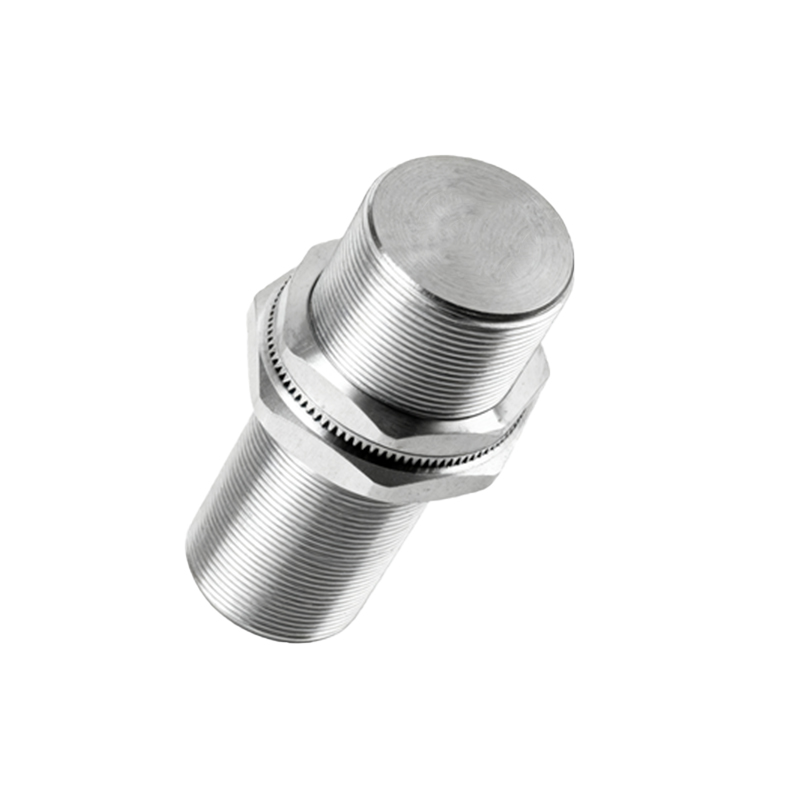
Wiring and electrical connections must adhere to safety standards and sensor specifications. Most industrial photoelectric sensors operate on DC voltages (10-30 VDC) or AC voltages (90-250 VAC), with output types including NPN, PNP, or relay contacts. Connect the power supply according to the sensor's datasheet, ensuring correct polarity for DC models. Output wires should be linked to control systems like PLCs (Programmable Logic Controllers) or relays, with attention to load capacity and isolation to prevent electrical noise interference. Many sensors feature built-in indicators (e.g., LED lights) for alignment verification and status monitoring—use these during setup to confirm proper detection.
Configuration and adjustment enhance sensor performance for specific tasks. Key parameters include sensing range, response time, and sensitivity. Adjust the sensitivity potentiometer or use teach-in functions (available in advanced models) to set the detection threshold, minimizing false triggers from environmental factors like dust or vibration. For challenging conditions—such as detecting transparent objects or operating in bright ambient light—select sensors with specialized features like polarized filters or background suppression technology. Regular maintenance, including lens cleaning and periodic testing, helps sustain accuracy over time.
In practice, photoelectric sensors excel in applications like object counting on conveyor belts, edge detection in printing machines, or level monitoring in silos. For example, in a bottling plant, through-beam sensors can verify bottle presence before capping, while diffuse sensors might check label alignment. Always consider environmental hazards: in explosive atmospheres, choose intrinsically safe models, and in high-vibration areas, secure mounting with shock-absorbing brackets. Troubleshooting common issues, such as intermittent signals or reduced range, often involves checking alignment, cleaning optics, or verifying power supply stability.
By mastering these usage principles, engineers can leverage photoelectric proximity sensors to improve efficiency, safety, and automation quality. Their versatility and adaptability make them a cornerstone of industrial innovation, driving productivity across sectors from manufacturing to logistics.