In the dynamic landscape of industrial automation, selecting the right proximity sensor is a critical decision that impacts efficiency, safety, and overall operational cost. A common point of inquiry for engineers and procurement specialists is the pricing structure for high-quality units. This guide provides a detailed overview of the factors influencing proximity sensor costs and presents a representative price table to aid in budgeting and specification.
Understanding that "high-quality" encompasses reliability, precision, durability, and advanced features is paramount. The price is not merely for the component but for the engineered solution it provides. Key determinants of cost include:
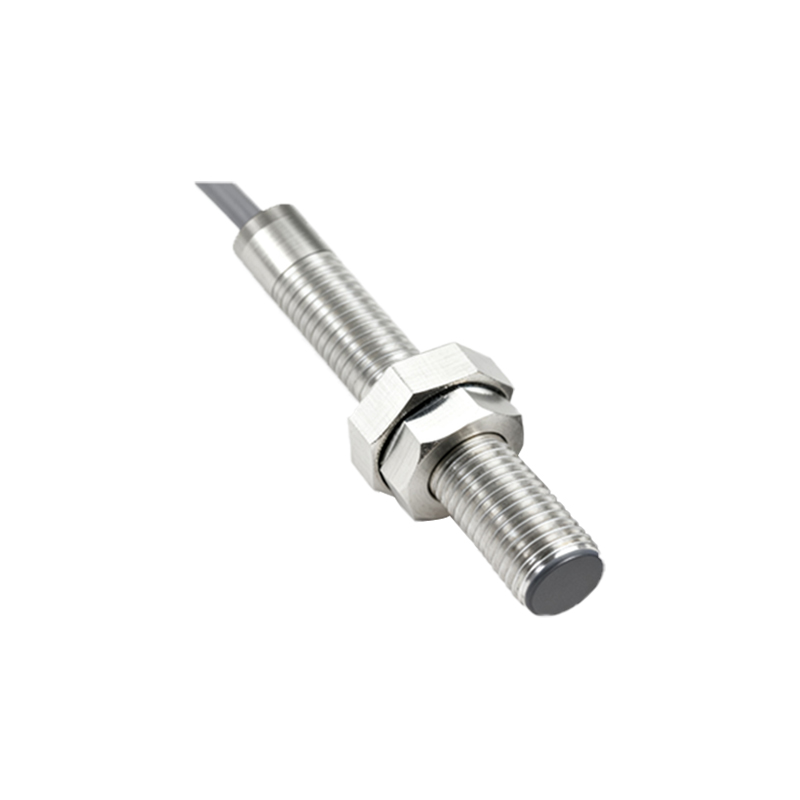
Sensor Technology: Inductive sensors, detecting metallic objects, are generally the most cost-effective, with basic shielded models starting at a lower price point. Capacitive sensors, capable of detecting both metallic and non-metallic materials, command a higher price. Ultrasonic and photoelectric sensors, offering longer ranges and more complex detection capabilities, reside in the premium segment.
Form Factor and Housing: Miniature sensors designed for tight spaces often carry a price premium due to manufacturing complexity. Standard cylindrical (e.g., M8, M12, M18, M30) and rectangular housings are typically more economical. The housing material is crucial; stainless-steel bodies for harsh environments (washdown, corrosive chemicals) are significantly more expensive than nickel-plated brass or PBT plastic variants.
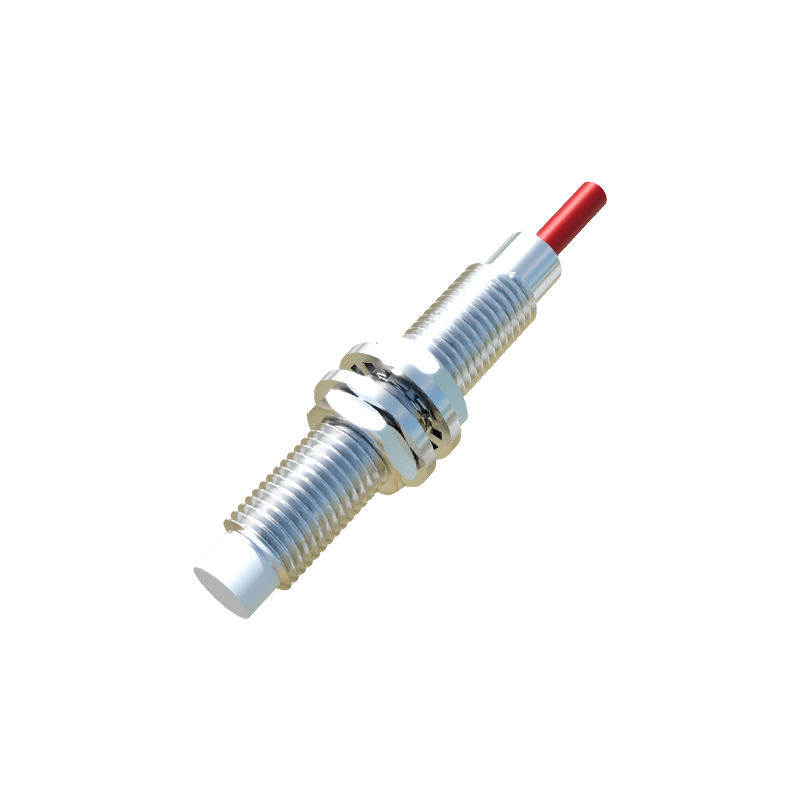
Performance Specifications: Sensing range is a primary cost driver. A standard 5mm range inductive sensor is budget-friendly, while a 40mm range model costs more. Switching frequency also affects price; high-speed sensors for rapid production lines are priced higher. Additional features like analog output (4-20mA, 0-10V), IO-Link communication for Industry 4.0 integration, and advanced diagnostics (e.g., condition monitoring) substantially increase the unit cost.
Protection Ratings: Sensors with an IP67 rating (dust-tight and protected against temporary immersion) are standard. Those with IP68/IP69K ratings, suitable for permanent immersion or high-pressure/high-temperature cleaning, are more expensive. Intrinsically safe (ATEX, IECEx) certifications for hazardous areas add considerable cost due to rigorous testing and design requirements.
Brand and Support: Established global brands (e.g., Siemens, Omron, Pepperl+Fuchs, Balluff, ifm) command higher prices, justified by extensive R&D, global supply chain reliability, comprehensive warranties, and technical support. Quality generic or second-tier brands offer competitive pricing but may vary in long-term consistency and feature availability.
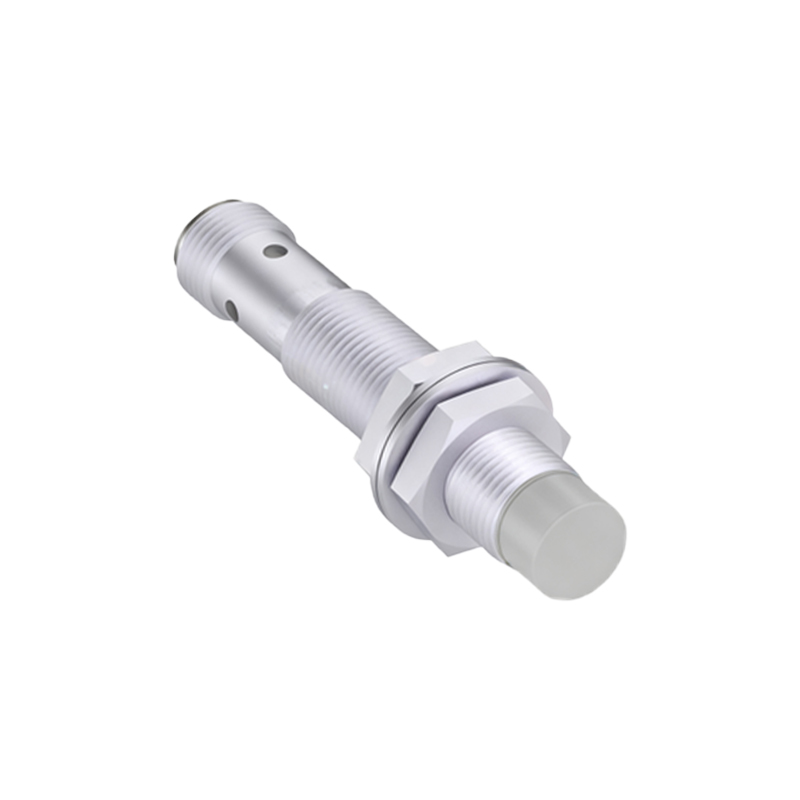
Representative Price Table (USD, List Price Estimates):
Basic Inductive Sensor (M12, 4mm range, PNP NO, IP67): $25 - $45
Standard Inductive Sensor (M18, 8mm range, NPN/PNP NO+NC, IP67, LED): $40 - $75
Stainless Steel Inductive Sensor (M30, 15mm range, IP68/IP69K): $90 - $160
Standard Capacitive Sensor (M18, 10mm range, IP67): $60 - $110
Ultrasonic Sensor (Compact, 300mm range, Analog Output): $120 - $250
IO-Link Enabled Inductive Sensor (M12, Diagnostic Data): $70 - $130
Intrinsically Safe Sensor (ATEX Certified, M18): $200 - $400+
Strategic Procurement Advice: While initial purchase price is important, Total Cost of Ownership (TCO) is the superior metric. A higher-priced sensor from a reputable supplier often results in lower downtime, fewer replacements, and better system integration, yielding a better return on investment. Always request detailed datasheets, validate environmental specifications against your application, and consider the long-term availability of the model. For large-volume projects, engage suppliers directly for customized quotations, as significant discounts from list prices are common.
Investing in high-quality proximity sensors is an investment in production stability. By understanding the cost drivers outlined in this guide, engineering teams can make informed, value-driven decisions that optimize both performance and budget.