In the rapidly evolving landscape of industrial automation and smart technology, proximity sensors have become indispensable components for ensuring efficiency, safety, and reliability. Among these, the V40 proximity light sensor stands out as a cutting-edge solution designed to meet the rigorous demands of modern applications. This article delves into the technical specifications, operational principles, and diverse use cases of the V40, highlighting its role in advancing precision detection across various sectors.
The V40 proximity light sensor operates on the principle of infrared (IR) light emission and reception. It emits a beam of IR light and detects changes in the reflected signal when an object enters its detection range. Unlike traditional mechanical switches or ultrasonic sensors, the V40 offers non-contact detection, minimizing wear and tear and ensuring long-term durability. With a detection distance of up to 40 millimeters, it provides a reliable solution for applications requiring close-range object sensing. Key features include high sensitivity, fast response times (typically under 1 millisecond), and immunity to ambient light interference, thanks to advanced filtering algorithms. The sensor is housed in a compact, rugged enclosure rated IP67 for dust and water resistance, making it suitable for harsh industrial environments.
One of the primary advantages of the V40 is its versatility. In manufacturing automation, it is commonly used for position verification, part counting, and conveyor belt monitoring. For instance, in assembly lines, the sensor can detect the presence of components, triggering robotic arms to perform precise operations. In the automotive industry, it aids in safety systems by monitoring door closures or seat occupancy. Beyond industrial settings, the V40 finds applications in consumer electronics, such as smartphones and tablets, where it enables touchscreen deactivation during calls to prevent accidental inputs. Additionally, in smart home devices, it contributes to energy savings by controlling lighting based on occupancy.
Installation and integration of the V40 are straightforward, owing to its standardized mounting options and compatibility with common control systems like PLCs (Programmable Logic Controllers) and microcontrollers. The sensor typically operates on a DC voltage range of 10-30V, with both NPN and PNP output configurations available to match different circuit requirements. Users can adjust sensitivity via potentiometers or digital interfaces, allowing fine-tuning for specific environments. Maintenance is minimal, as the solid-state design lacks moving parts, reducing the risk of failure. However, regular cleaning of the lens is recommended to prevent dust accumulation that could affect performance.
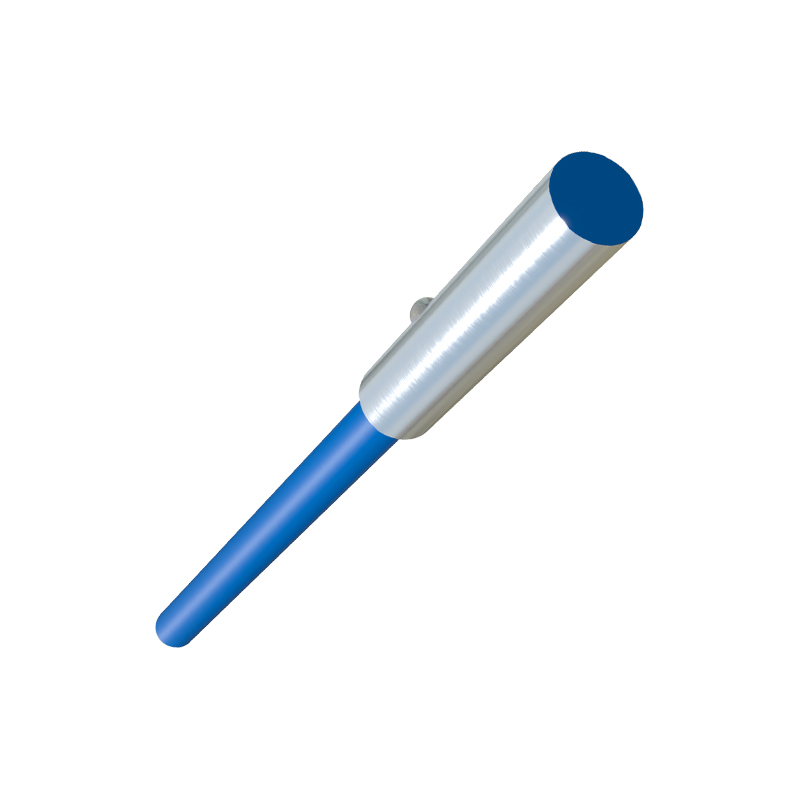
When compared to other proximity sensors, such as inductive or capacitive types, the V40 excels in detecting non-metallic objects, including plastics, glass, and liquids. This makes it ideal for packaging, food processing, and pharmaceutical industries where material diversity is common. Its infrared technology also ensures stable performance in varying temperatures, from -25°C to 70°C, without calibration drift. Industry feedback underscores its reliability, with many engineers praising its consistency in high-speed operations and low false-trigger rates.
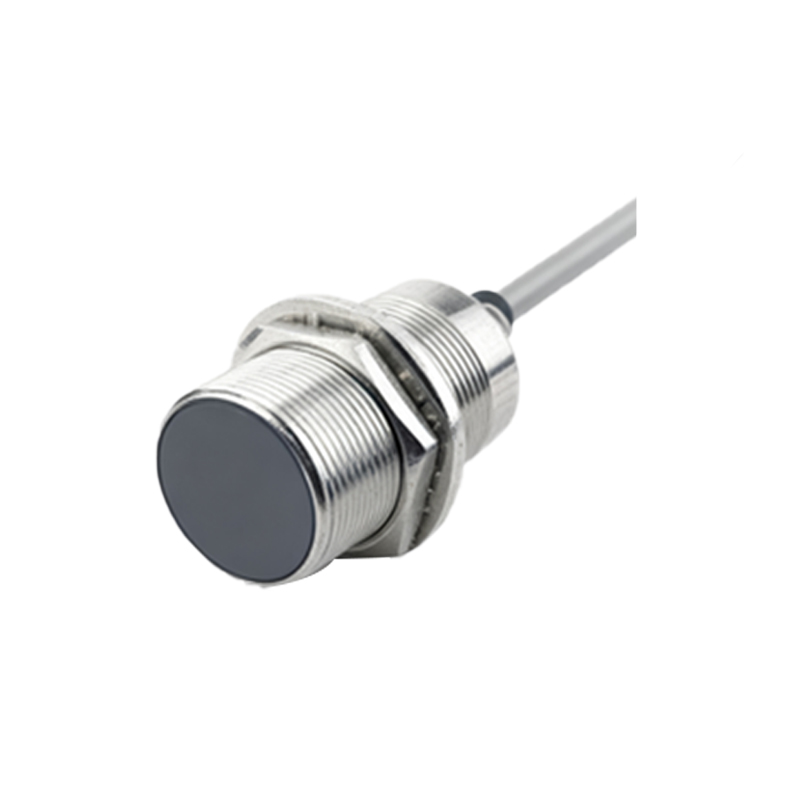
Looking ahead, the integration of IoT (Internet of Things) capabilities with sensors like the V40 is poised to revolutionize data-driven automation. By connecting to networks, these sensors can provide real-time analytics for predictive maintenance and process optimization. The V40’s design already aligns with trends toward miniaturization and energy efficiency, supporting sustainable industrial practices. For engineers and system integrators, selecting the V40 means investing in a robust tool that enhances operational accuracy while reducing downtime.
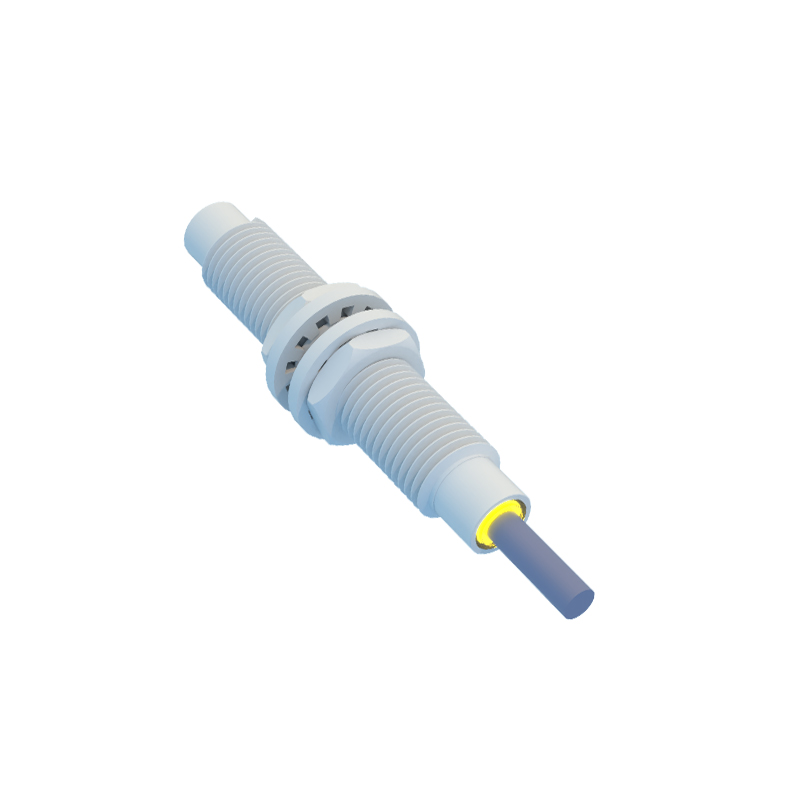
In conclusion, the V40 proximity light sensor represents a significant advancement in detection technology, offering precision, durability, and adaptability. Its applications span from heavy industry to everyday gadgets, demonstrating its critical role in the automation ecosystem. As industries continue to embrace smart solutions, the V40 will undoubtedly remain a key enabler of innovation, driving productivity and safety forward. For those seeking reliable proximity sensing, the V40 is a proven choice that delivers performance under pressure.