In industrial automation systems, proximity sensors and counters form a critical partnership for monitoring and controlling production processes. Proximity sensors, which detect the presence or absence of an object without physical contact, generate discrete electrical signals. These signals are then processed by counters to track quantities, monitor rates, or trigger specific actions. Understanding how to properly interface these two components is essential for ensuring reliable and accurate operation.
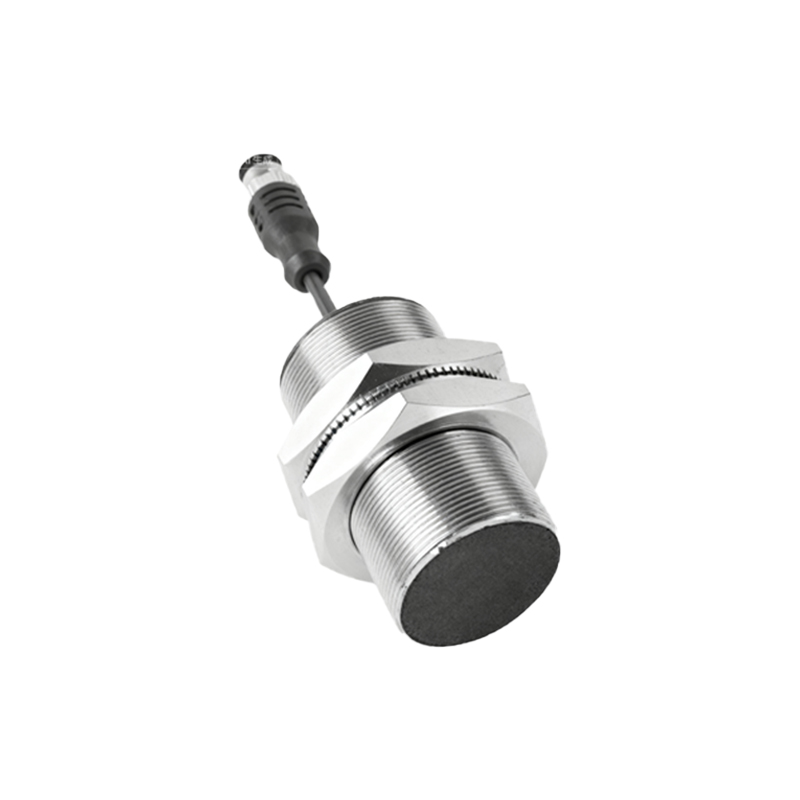
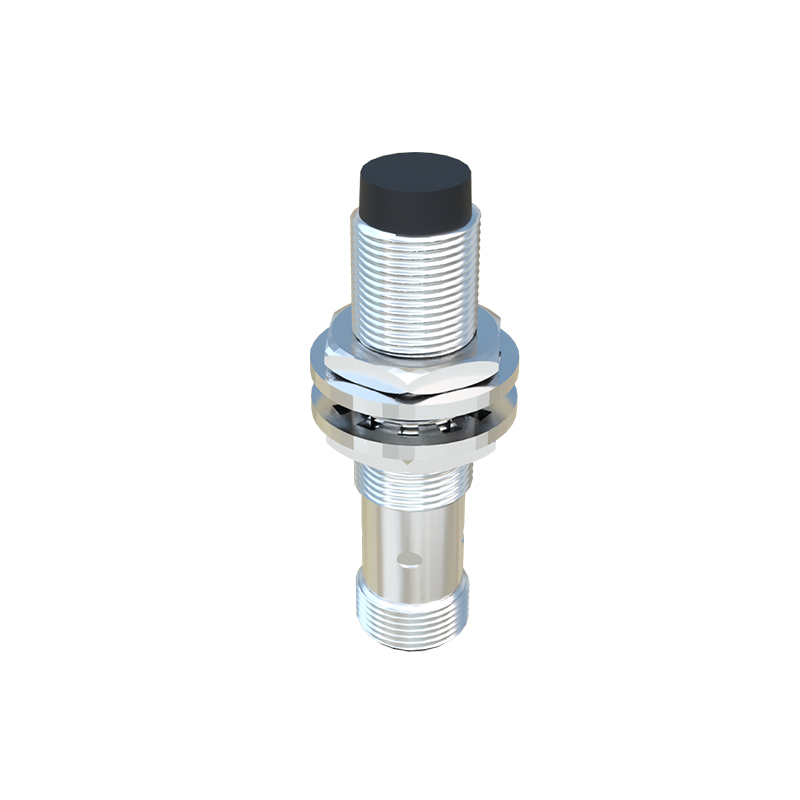
Proximity sensors come in various types, including inductive, capacitive, and photoelectric. Inductive sensors are commonly used for detecting metallic objects, while capacitive sensors can detect both metallic and non-metallic materials. Photoelectric sensors utilize light beams to sense objects. Regardless of type, most proximity sensors provide a digital output—either a PNP (sourcing) or NPN (sinking) signal—that indicates detection. This output must be compatible with the counter's input specifications.
Counters, often referred to as totalizers or frequency meters, are devices that count input pulses. They can be simple electromechanical counters or sophisticated programmable logic controller (PLC) modules. When connecting a proximity sensor to a counter, the primary considerations include voltage levels, signal type, wiring configuration, and environmental factors.
First, verify the voltage ratings. Many industrial proximity sensors operate on 10-30 VDC, while counters may accept a range of DC or AC voltages. Mismatched voltages can lead to malfunction or damage. For instance, connecting a 24VDC sensor output to a counter input designed for 5VDC requires a voltage divider or interface relay.
Second, match the signal type. PNP sensors switch the positive voltage to the load; NPN sensors switch the negative side. Counters must be configured to accept the corresponding sourcing or sinking input. Incorrect pairing may result in no signal registration. Some modern counters offer universal inputs that automatically adapt to PNP or NPN signals.
Wiring is straightforward but demands attention. Typically, the sensor's output wire connects to the counter's input terminal. A common ground must be established between the sensor's power supply and the counter. Shielded cables are recommended in electrically noisy environments to prevent false counts from electromagnetic interference. Additionally, consider cable length—excessive distance can cause voltage drop or signal degradation, especially with DC sensors.
Installation practices significantly impact performance. Mount sensors securely to minimize vibration effects. Ensure the sensing distance and object material are appropriate for the sensor type. For high-speed counting applications, check the sensor's response time and the counter's maximum counting frequency. If the sensor detects objects moving rapidly, a fast-response counter is necessary to avoid missing pulses.
Many counters offer advanced functions like preset values, batch control, or communication interfaces (e.g., RS-485, Ethernet/IP). By integrating proximity sensors with these smart counters, systems can automate tasks such as stopping a conveyor after a set number of items or sending production data to a supervisory control system.
Troubleshooting common issues involves checking power connections, verifying sensor alignment, and monitoring the counter's display or status indicators. Use a multimeter to confirm the sensor output activates when an object is present. If counts are inconsistent, inspect for loose wiring, environmental contaminants, or interfering objects near the sensor.
In summary, connecting proximity sensors to counters requires careful selection and configuration. Adhering to electrical specifications, employing proper wiring techniques, and considering operational conditions will yield a robust counting solution. This integration is fundamental in applications like packaging lines, inventory management, and machine cycle monitoring, enhancing efficiency and accuracy in industrial settings.