In the realm of industrial automation, laser sensors are pivotal for precision measurement, positioning, and quality control. However, a persistent challenge that engineers and technicians encounter is laser sensor slippage, often referred to as "slippage" or "skidding" in operational contexts. This phenomenon can significantly degrade system accuracy, leading to production inefficiencies, increased scrap rates, and potential safety hazards. This article delves into the causes, implications, and mitigation strategies for laser sensor slippage, providing a comprehensive guide for professionals in the electrical and automation engineering fields.
Laser sensors operate by emitting a focused beam of light toward a target surface and analyzing the reflected signal to determine distance, displacement, or surface characteristics. Slippage occurs when the sensor's output does not correspond accurately to the actual position or movement of the target. This discrepancy often stems from environmental factors, mechanical issues, or inherent sensor limitations. Common causes include vibration from nearby machinery, which can destabilize the sensor mount or the target itself; contamination such as dust, oil, or moisture on the target surface, altering reflectivity; thermal expansion or contraction of components due to temperature fluctuations in industrial settings; and improper installation, including misalignment or insufficient mounting rigidity. Additionally, the choice of target material plays a crucial role—highly reflective or transparent surfaces may cause signal scattering or absorption, while rough textures can introduce noise into the measurement.
The implications of laser sensor slippage are far-reaching. In automated assembly lines, even minor inaccuracies can result in misaligned parts, faulty welds, or incorrect tolerances, compromising product integrity. In robotics, slippage can lead to erratic arm movements, reducing repeatability and potentially causing collisions. For quality inspection systems, it may yield false readings, allowing defective items to pass or rejecting acceptable ones. Over time, these issues escalate maintenance costs, downtime, and operational risks. Therefore, proactive identification and resolution are essential for sustaining optimal performance.
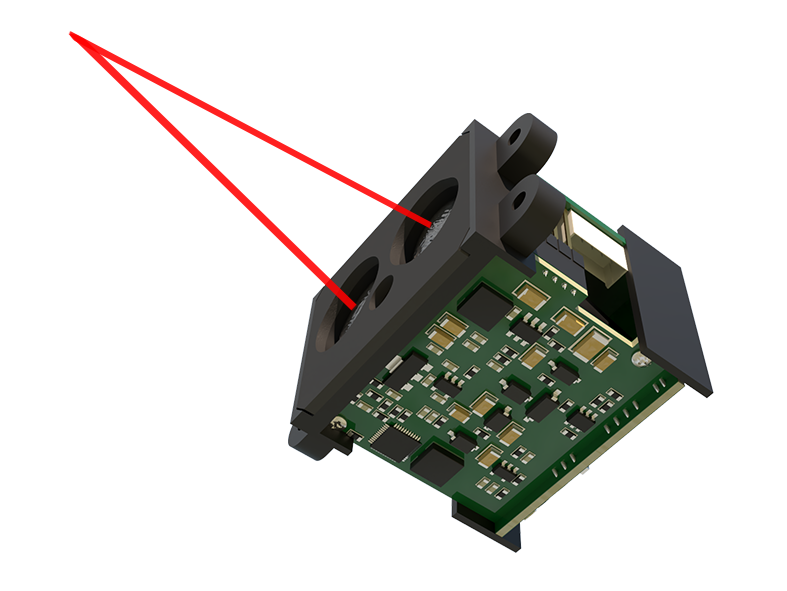
To mitigate laser sensor slippage, a multi-faceted approach is recommended. First, ensure proper sensor selection based on the application's specific requirements, including measurement range, resolution, response time, and environmental ratings (e.g., IP67 for dust and water resistance). Opt for sensors with built-in compensation features for vibration or temperature changes. Second, focus on installation best practices: secure mounting using stable brackets or dampeners to isolate vibrations, align the sensor perpendicular to the target surface, and maintain a consistent operating distance as per manufacturer specifications. Regular calibration is vital—schedule routine checks using certified reference standards to verify accuracy. Third, control the environment by minimizing contaminants through enclosures or air purging systems, and monitor temperature and humidity levels in critical areas. For challenging surfaces, consider using retro-reflective targets or applying coatings to standardize reflectivity. Advanced solutions involve integrating sensor fusion techniques, where laser data is combined with inputs from encoders or inertial measurement units to cross-verify readings and correct for slippage in real-time via software algorithms.

Maintenance protocols should include periodic cleaning of sensor lenses and targets, inspection of cables and connectors for wear, and firmware updates to leverage improved error-correction capabilities. Training personnel to recognize early signs of slippage, such as drifting measurements or increased error logs, can facilitate timely interventions. In summary, while laser sensor slippage is a common industrial hurdle, understanding its root causes and implementing robust preventive measures can enhance system reliability and productivity. By adopting a disciplined approach to sensor integration and upkeep, engineers can harness the full potential of laser technology for precise, efficient automation.