In the realm of modern manufacturing, Computer Numerical Control (CNC) machines represent the pinnacle of precision, speed, and repeatability. These sophisticated systems transform digital designs into physical parts with astonishing accuracy. However, this high level of performance is not achieved by the machine tool alone. A suite of critical support components works silently in the background to ensure flawless operation. Among these, CNC proximity sensors stand out as indispensable guardians of the machining process, providing the essential feedback that bridges the digital control system and the physical world.
Unlike traditional mechanical limit switches that require physical contact, proximity sensors perform their duty without touching the target object. They act as the machine's "eyes" and "feelers," detecting the presence, absence, or position of a tool, workpiece, or machine component. This non-contact operation is fundamental in a CNC environment, where even microscopic vibrations or wear from physical contact can introduce errors and reduce the lifespan of both the sensor and the machine components. By eliminating contact, proximity sensors enhance reliability, reduce maintenance, and contribute to the overall precision of the system.
The operational principle of these sensors is based on generating an electromagnetic field or a beam of light. When a metallic or reflective object enters this field, it causes a detectable change. The sensor's electronics interpret this change and send a corresponding signal to the CNC controller. The most common types found on CNC machine tools are inductive and capacitive sensors. Inductive sensors are the workhorses for detecting metallic objects, such as tool holders, clamps, or the machine slide itself. They generate an oscillating electromagnetic field. When a ferrous or non-ferrous metal object enters this field, it induces eddy currents within the metal, which dampens the oscillation. The sensor detects this damping and triggers a switch signal. Their robustness makes them ideal for the harsh, coolant-filled, and metal-chip-laden environment of a machine shop.
Capacitive sensors, on the other hand, can detect both metallic and non-metallic materials, including plastics, liquids, and wood. They function by measuring changes in capacitance between the sensor's face and the target object. This makes them useful for applications like checking for the presence of a non-metallic workpiece on a pallet or monitoring fluid levels in a coolant tank. While less common for core positioning tasks, they provide valuable flexibility for auxiliary functions.
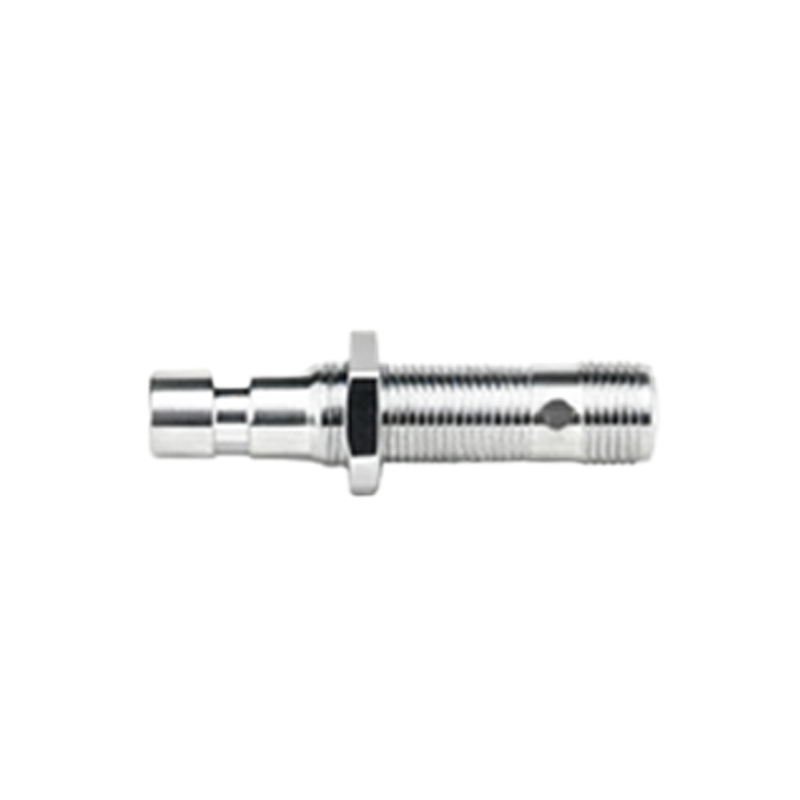
The integration of proximity sensors into a CNC system delivers multifaceted benefits that directly impact productivity and quality. One of their primary roles is in tool setting and tool breakage detection. A sensor positioned near the spindle can precisely measure tool length or diameter by detecting when the rotating tool tip makes a "touch-off." More critically, it can instantly detect a broken tool by verifying its presence before a machining cycle begins or even during a pause in operations. Preventing a broken tool from continuing to cut can save a costly workpiece from ruin and protect the machine from damage.
Another crucial application is in homing and limit sensing. Before a CNC machine can begin its work, it must establish a known reference point, or "home" position. Proximity sensors provide a highly repeatable signal for this initialization sequence, ensuring the machine starts every job from an identical coordinate zero. Similarly, they act as over-travel limit switches. If a machine axis moves beyond its intended operational range due to a programming error or mechanical fault, a strategically placed proximity sensor will detect the encroaching component and send an emergency stop signal to the controller, preventing a catastrophic crash.
Furthermore, these sensors enable advanced automation. In a machining cell with robotic part loaders or pallet changers, proximity sensors confirm the precise positioning of pallets, the presence of a workpiece in a fixture, or the open/closed status of a safety door. This seamless feedback allows for uninterrupted, lights-out production runs, where machines operate autonomously for extended periods.
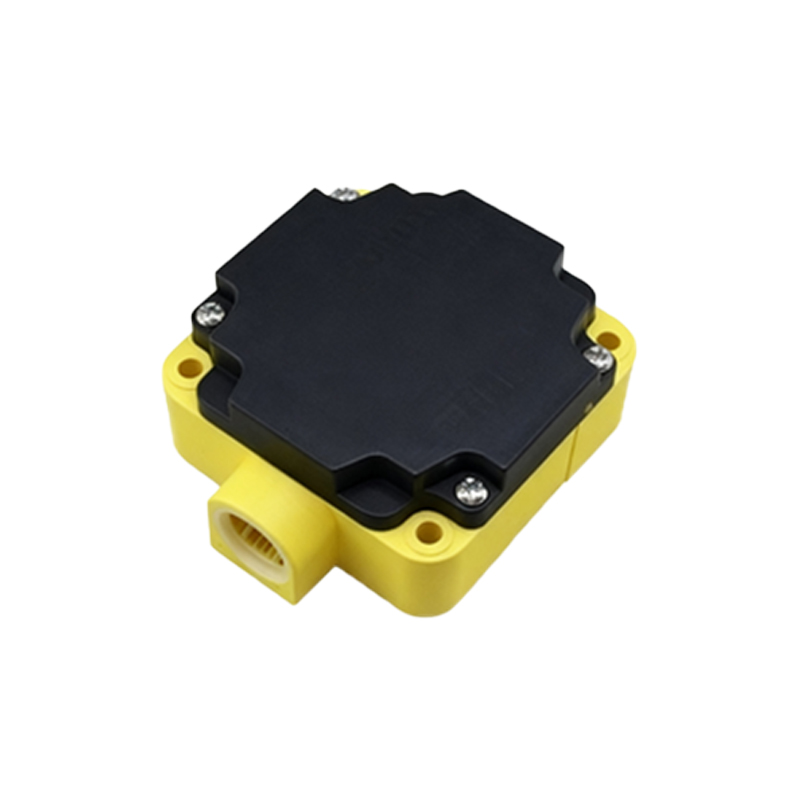
Selecting the right proximity sensor for a CNC application requires careful consideration. Key specifications include sensing distance, which must be sufficient for the application but not excessive to avoid false triggers; switching frequency, which must be high enough to detect fast-moving objects; and environmental ratings for resistance to coolants, oils, and metal dust. The output type, typically a discrete PNP (sourcing) or NPN (sinking) signal, must be compatible with the CNC controller's input module.
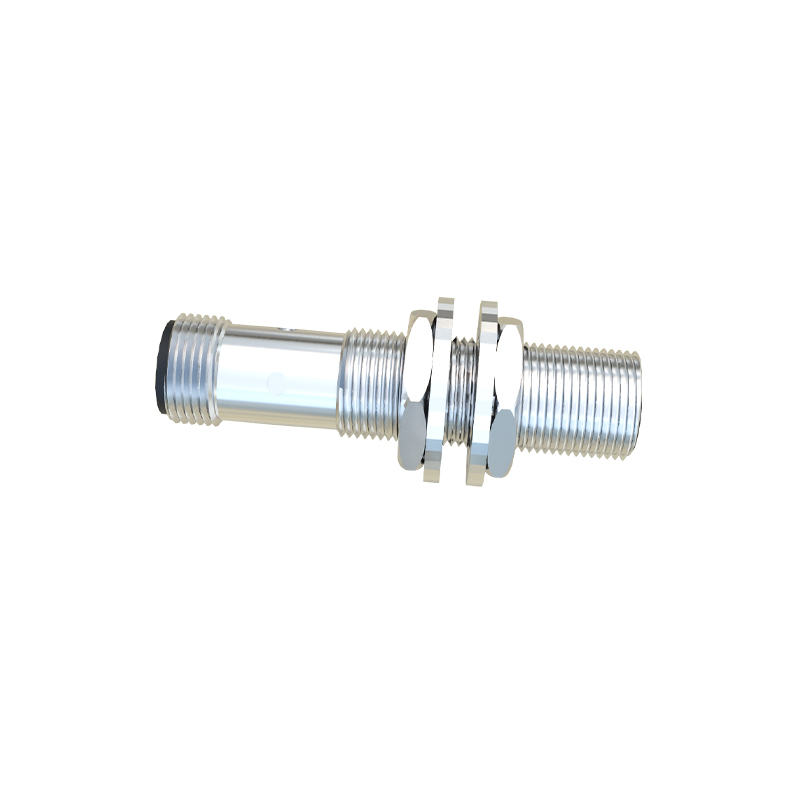
In conclusion, CNC proximity sensors are far from mere accessories. They are fundamental enabling technologies that provide the critical real-world feedback necessary for safe, accurate, and automated manufacturing. By reliably detecting position, presence, and absence without contact, they protect valuable capital equipment, ensure part quality, and unlock higher levels of productivity. As CNC technology continues to evolve towards greater autonomy and interconnectivity in the era of Industry 4.0, the role of intelligent, networked proximity sensors will only become more central, solidifying their status as the silent sentinels of precision machining.