In the realm of industrial automation and machine control, proximity sensors are indispensable components for non-contact detection. Among the diverse range of sensors available, the three-wire N15 series proximity switch stands out for its reliability, compact design, and versatility. This article delves into the technical specifications, operational principles, wiring configurations, and key application considerations for this widely used sensor.
The N15 designation typically refers to a specific form factor—a cylindrical housing with an 18mm diameter and a 50mm length being common, though exact dimensions can vary by manufacturer. The "three-wire" configuration is a critical feature, distinguishing it from two-wire variants. This design incorporates three distinct leads: one for power supply (typically labeled as Brown or +V), one for the output signal (typically Black or Blue), and one for the common ground or negative supply (typically Blue or White, depending on the output type). This separation allows for more stable operation, higher switching speeds, and lower leakage current compared to two-wire sensors.
Operationally, most N15 three-wire sensors are inductive proximity switches. They generate an electromagnetic field from the sensing face. When a metallic target (usually ferrous or non-ferrous metals like steel, aluminum, or brass) enters this field, it induces eddy currents, causing a change in the oscillation amplitude within the sensor's internal LC circuit. This change is detected, processed, and triggers a solid-state switching output. The sensing range for an N15 is typically standardized, often around 5mm or 8mm for a standard ferrous target, ensuring precise detection.
The output type is a fundamental selection criterion. N15 sensors come in two primary three-wire output configurations:
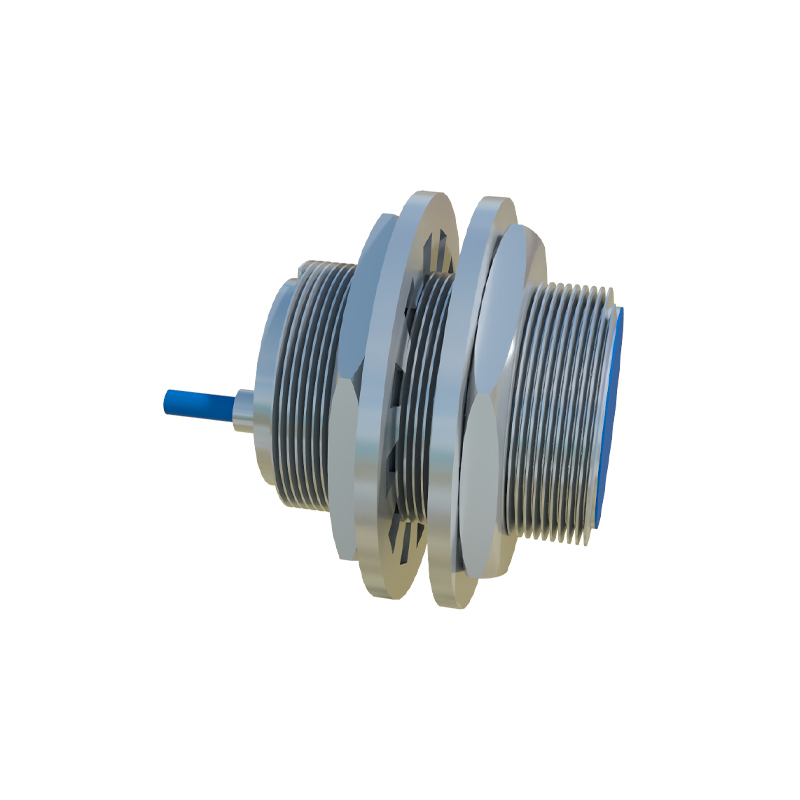
1. NPN (Sinking Output): In this configuration, the output transistor switches the load to the common ground (0V). When activated, the output pin (black wire) connects to the negative/ground wire (blue wire). This type is commonly used with PLCs (Programmable Logic Controllers) where the input card is designed to receive a sinking signal.
2. PNP (Sourcing Output): Here, the output transistor switches the load to the positive supply voltage (+V). When activated, the output pin (black wire) provides the positive voltage. PNP outputs are often preferred in systems where the load needs to be powered directly from the sensor's output.
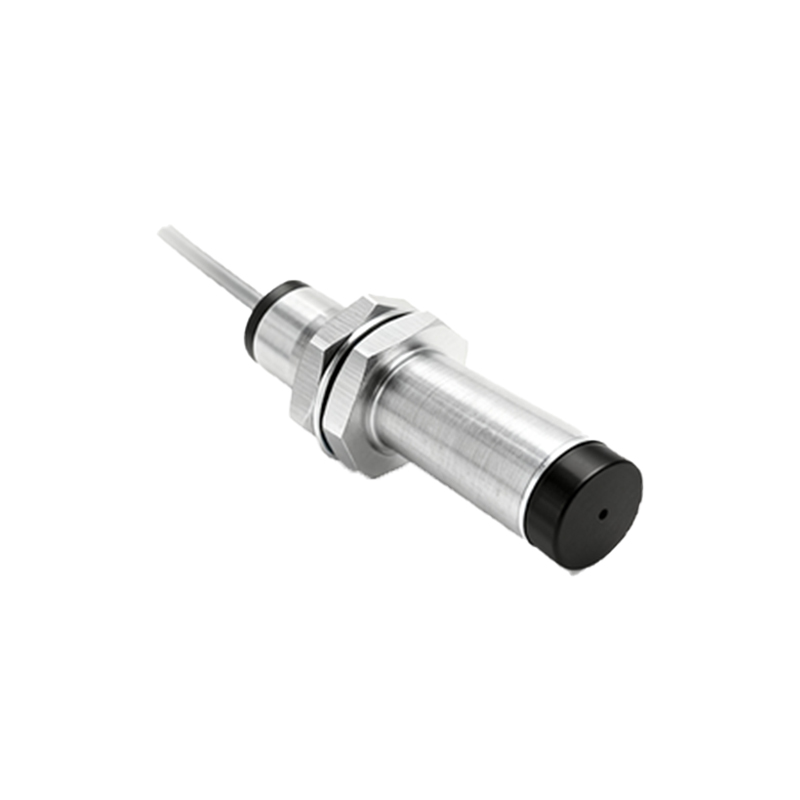
Correct wiring is paramount. A standard connection for a DC-powered N15 sensor is as follows: Connect the Brown wire to the positive DC supply voltage (commonly 10-30V DC). Connect the Blue wire to the negative DC supply (0V/Ground). The Black wire is the switched output, which connects to the load (e.g., a PLC input, relay coil, or indicator lamp). The load's other terminal is then connected to the opposite supply rail to complete the circuit, depending on whether it's an NPN or PNP sensor. Always consult the manufacturer's datasheet for the specific wire color coding and voltage ratings.
Key advantages of the N15 three-wire proximity sensor include its robust construction, often featuring IP67 or higher ingress protection ratings, making it suitable for harsh industrial environments with dust, oil, and coolants. Its solid-state design ensures a long operational life with no mechanical wear from physical contact. Furthermore, it offers high switching frequency, enabling detection of rapidly moving objects on production lines.
When integrating an N15 sensor, several application factors must be considered. Ensure the target material and size are within the sensor's specifications. Non-ferrous metals like aluminum or copper have a reduced sensing range, often requiring a correction factor. Mounting is also crucial; flush-mountable N15 sensors can be installed embedded in metal without affecting performance, while non-flush types require a clear space around the sensing face. Always account for temperature ranges, electrical noise in the environment, and potential mutual interference when mounting multiple sensors in close proximity.
In summary, the three-wire N15 proximity switch sensor is a fundamental building block in modern industrial control systems. Its precise detection capability, durable housing, and flexible NPN/PNP output options make it an excellent choice for tasks ranging from simple part presence detection and counting to complex position feedback in automated machinery. Proper selection based on output type, sensing range, and environmental rating is essential for achieving optimal, reliable performance in any application.