In the rapidly evolving landscape of industrial automation, remote wireless proximity switch sensors have emerged as a pivotal technology, driving unprecedented levels of efficiency, safety, and flexibility. These advanced sensors detect the presence or absence of objects without physical contact, utilizing wireless communication protocols to transmit data to control systems. Unlike traditional wired sensors, they eliminate the need for extensive cabling, reducing installation costs, minimizing maintenance challenges, and enabling deployment in hard-to-reach or hazardous environments.
The core technology behind these sensors often involves inductive, capacitive, or photoelectric principles, adapted for wireless operation. Inductive sensors, for instance, are ideal for detecting metallic objects, while capacitive variants can sense non-metallic materials. Photoelectric sensors use light beams to identify objects, offering long-range detection capabilities. By integrating wireless modules—commonly using standards like Wi-Fi, Bluetooth, Zigbee, or proprietary industrial protocols—these sensors provide real-time data transmission with low latency, ensuring seamless integration into Industrial Internet of Things (IIoT) ecosystems.
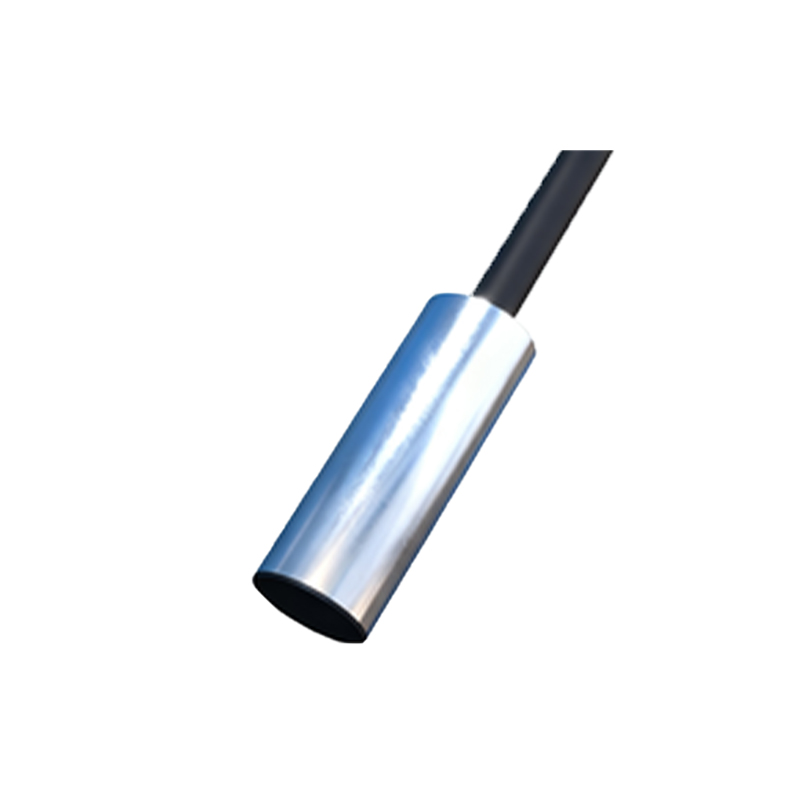
One of the primary advantages of remote wireless proximity sensors is their contribution to predictive maintenance. By continuously monitoring equipment and processes, they can detect anomalies such as misalignments or wear before failures occur, reducing downtime and operational costs. In manufacturing lines, they enable precise object positioning and counting, enhancing production accuracy. In logistics and warehousing, they facilitate automated inventory tracking, while in hazardous areas like chemical plants or mining sites, they improve safety by allowing remote monitoring without exposing personnel to risks.
However, implementing wireless sensors requires careful consideration of factors like power management, signal interference, and data security. Battery-powered sensors must balance energy consumption with performance, often incorporating low-power designs or energy-harvesting techniques. Interference from other electronic devices can be mitigated through robust protocol selection and frequency hopping. Additionally, encryption and secure authentication protocols are essential to protect data integrity in critical industrial networks.
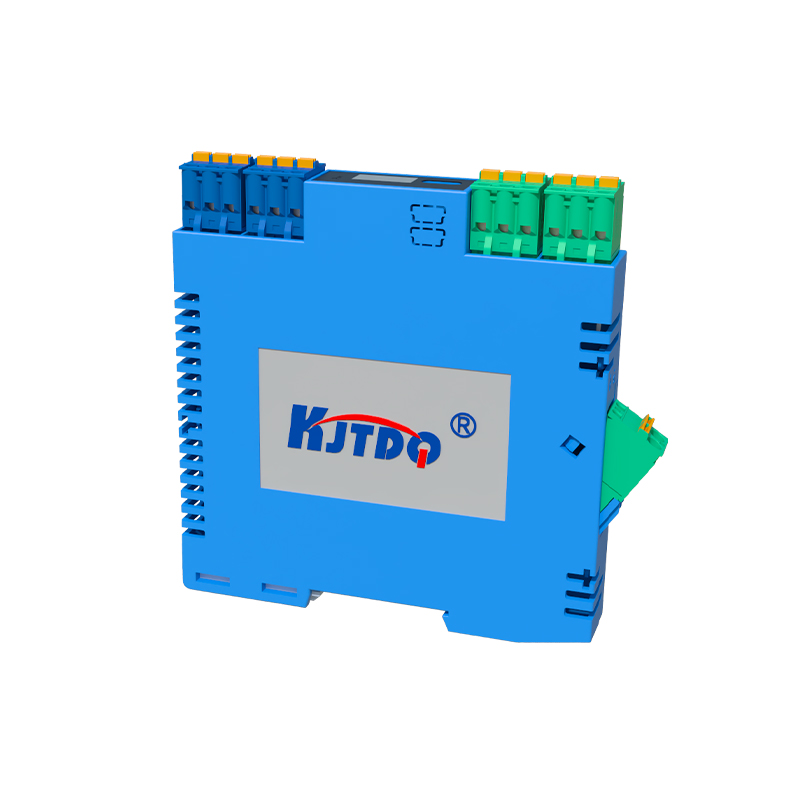
Looking ahead, the integration of artificial intelligence and edge computing with wireless proximity sensors promises even greater advancements. AI algorithms can analyze sensor data to optimize processes autonomously, while edge computing reduces cloud dependency by processing data locally. As industries embrace smart factories and Industry 4.0, the demand for reliable, scalable wireless sensing solutions will continue to grow, fostering innovation in sensor design and wireless communication technologies.
In conclusion, remote wireless proximity switch sensors represent a transformative shift in industrial automation, offering versatility, cost savings, and enhanced operational insights. By overcoming the limitations of wired systems, they empower industries to build more adaptive and resilient infrastructures, paving the way for a future where automation is not only intelligent but also inherently connected and wireless.