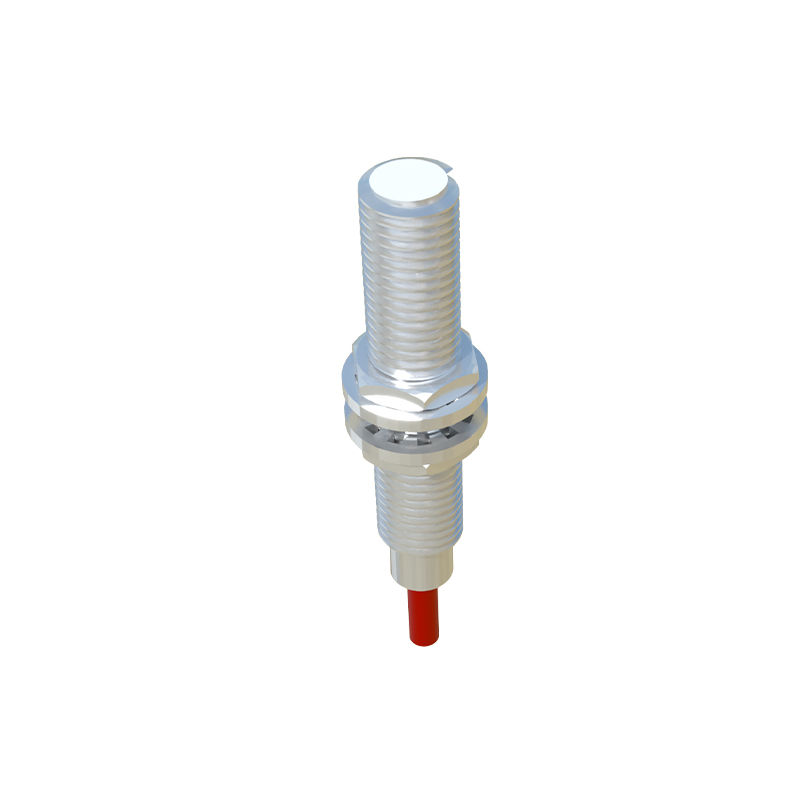
Proximity sensors, as a cornerstone of industrial automation, have undergone significant evolution. Their industrialization is not merely a story of technological advancement but a narrative deeply intertwined with the demands of modern manufacturing, logistics, and smart infrastructure. The current trends shaping their mass production and widespread adoption point toward a future of unprecedented integration, intelligence, and versatility.
A primary driver of this industrialization is the relentless push for miniaturization and enhanced performance. Modern manufacturing techniques, such as advanced MEMS (Micro-Electro-Mechanical Systems) fabrication and high-precision molding, allow for the production of sensors that are smaller, more robust, and more energy-efficient than ever before. This miniaturization enables their deployment in space-constrained applications, from intricate robotic grippers to compact consumer electronics. Concurrently, performance parameters like sensing range, repeatability, and response time have seen continuous improvement, meeting the stringent requirements of high-speed assembly lines and precision machinery. The industrialization process has standardized these performance gains, making high-quality sensing accessible at progressively lower costs.
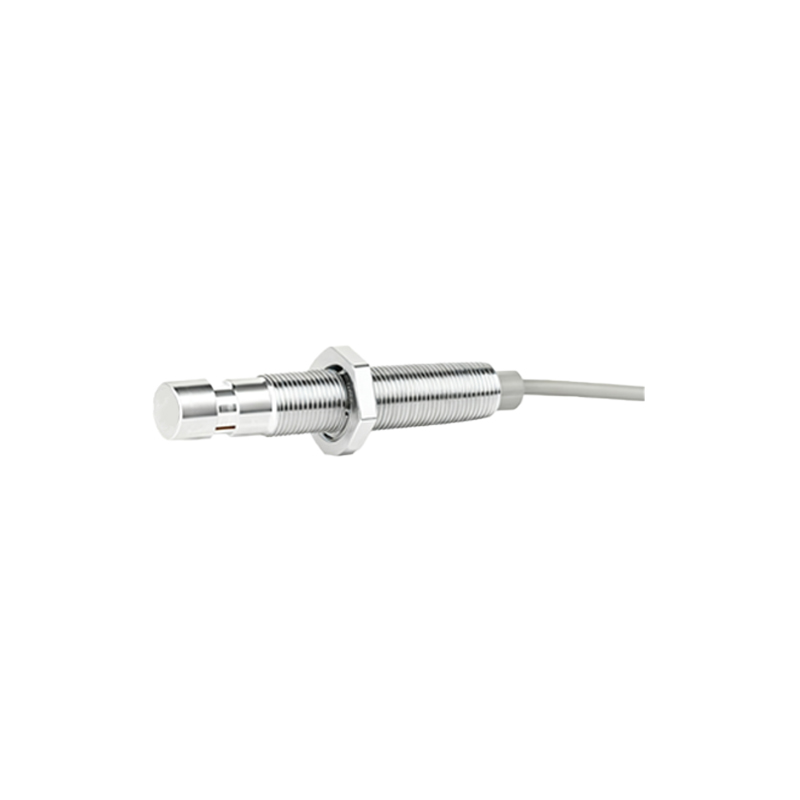
The most transformative trend is the integration of smart features and connectivity. The era of the simple binary-output sensor is giving way to the age of the "smart sensor." Industrialized proximity sensors now increasingly come equipped with embedded microprocessors, enabling functions like self-diagnostics, condition monitoring, and parameter configurability via software (IO-Link being a dominant standard). This shift turns the sensor from a passive component into an active data node on the Industrial Internet of Things (IIoT) network. Manufacturers are now producing sensors designed from the ground up for seamless integration into IIoT ecosystems, capable of communicating rich data on their health, environment, and detection events to higher-level control systems and cloud platforms. This facilitates predictive maintenance, reduces downtime, and enables more flexible, data-driven production processes.
Another significant trend is the expansion of sensing technologies within the proximity category. While inductive sensors remain the workhorse for metal detection, and capacitive sensors for non-metals, new technologies are achieving industrial scale. Ultrasonic sensors, offering longer ranges and material independence, are now produced with improved sound wave focusing and noise immunity. Photoelectric sensors, with their varied modes (through-beam, retro-reflective, diffuse), are seeing advancements in LED light sources and lens designs for better performance in challenging environments like detecting transparent objects or operating in high ambient light. The industrialization of these varied technologies provides engineers with a comprehensive, cost-effective toolkit for diverse applications.
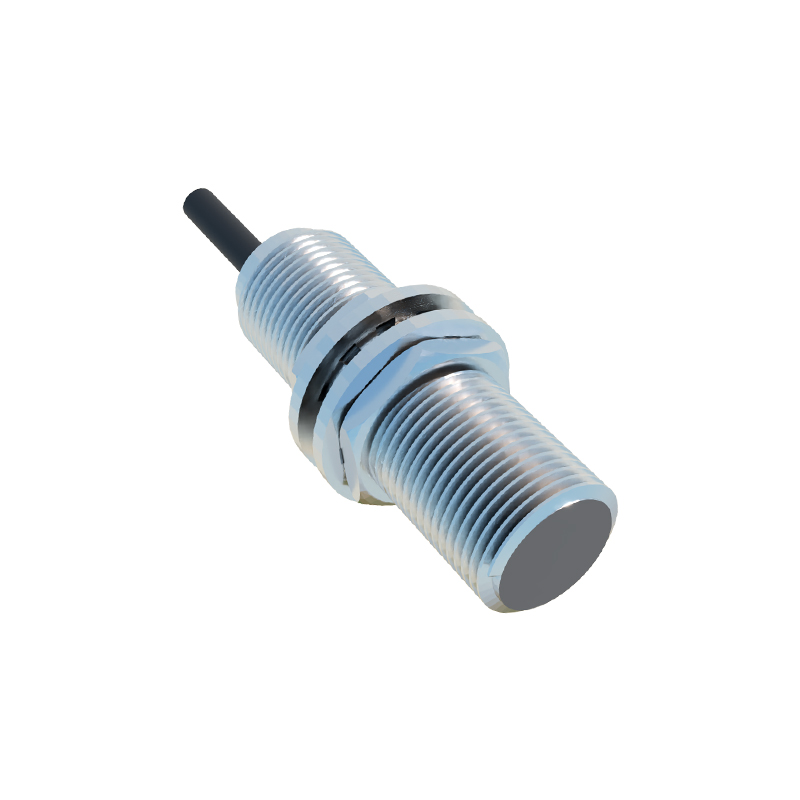
The application landscape itself is fueling industrialization. Beyond traditional factory automation, booming sectors like electric vehicle (EV) manufacturing, renewable energy, and smart logistics are creating massive demand. In EV battery pack assembly, for instance, precision proximity sensors are critical for ensuring safe handling and accurate placement of cells. Automated guided vehicles (AGVs) and autonomous mobile robots (AMRs) rely on arrays of proximity sensors for navigation and obstacle avoidance. This diversification pushes sensor manufacturers to develop specialized product lines, further driving scale and innovation in production.
Finally, the industrialization trend is deeply concerned with robustness and standardization. As sensors proliferate in harsh industrial environments, there is a heightened focus on producing devices with higher Ingress Protection (IP) ratings, wider temperature tolerances, and superior resistance to chemicals, vibration, and electromagnetic interference. Global standardization of communication protocols, mounting formats, and electrical interfaces simplifies integration, reduces engineering time, and ensures interoperability, which are essential for mass adoption. This focus on reliability and ease of use is a hallmark of a mature, industrialized component sector.
In conclusion, the industrialization of proximity sensors is characterized by a powerful convergence: smarter, connected devices produced through advanced manufacturing for a vastly expanding universe of applications. The trend is moving from providing simple detection to delivering actionable intelligence, solidifying the proximity sensor's role as a fundamental enabler of Industry 4.0 and beyond. The future will likely see further consolidation of sensing, processing, and communication into single, highly industrialized units, pushing the boundaries of what automated systems can perceive and achieve.