In the intricate world of industrial automation and machinery, the selection of a small proximity sensor is a critical decision that impacts reliability, efficiency, and overall system performance. As a seasoned electrical engineer, I am often asked, "Which brand is the best?" The truth is, there is no single, universal answer. The "best" choice is a function of your specific application requirements, environmental conditions, and budget constraints. However, by comparing the leading manufacturers and their core philosophies, we can navigate toward an optimal selection.
The landscape is dominated by several established global players, each with distinct strengths. Sick AG is renowned for its innovation and precision. Their sensors, particularly in the inductive and photoelectric categories, offer exceptional repeat accuracy and robust diagnostic capabilities. For applications demanding the highest levels of reliability in harsh environments—think automotive assembly or heavy packaging—Sick is frequently the benchmark. Their products often incorporate advanced features like IO-Link for smart sensor functionality, providing valuable data beyond a simple on/off signal.
Omron Corporation is another titan, celebrated for its extensive catalog and exceptional durability. Omron's small proximity sensors are virtually ubiquitous. They excel in providing cost-effective, reliable solutions for standard applications. Their philosophy often emphasizes standardization and ease of integration. If you need a robust, general-purpose inductive sensor for machine tooling or material handling, Omron offers a vast selection with proven track records. Their focus on miniaturization has also led to some of the smallest form-factor sensors on the market.
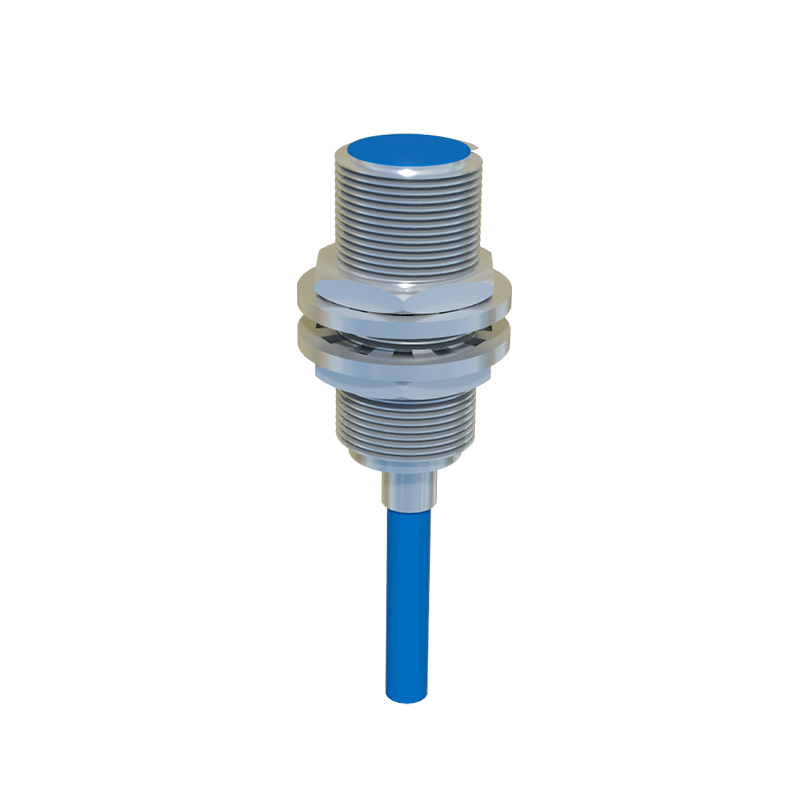
Pepperl+Fuchs stands out for its expertise in hazardous environments and intrinsic safety. For industries like chemical processing, oil & gas, or mining, where explosive atmospheres are a concern, P+F is often the go-to brand. Their sensors are engineered with meticulous attention to safety certifications (ATEX, IECEx). Beyond safety, they also produce high-performance sensors for standard factory automation, known for their rugged construction and resistance to electrical interference.
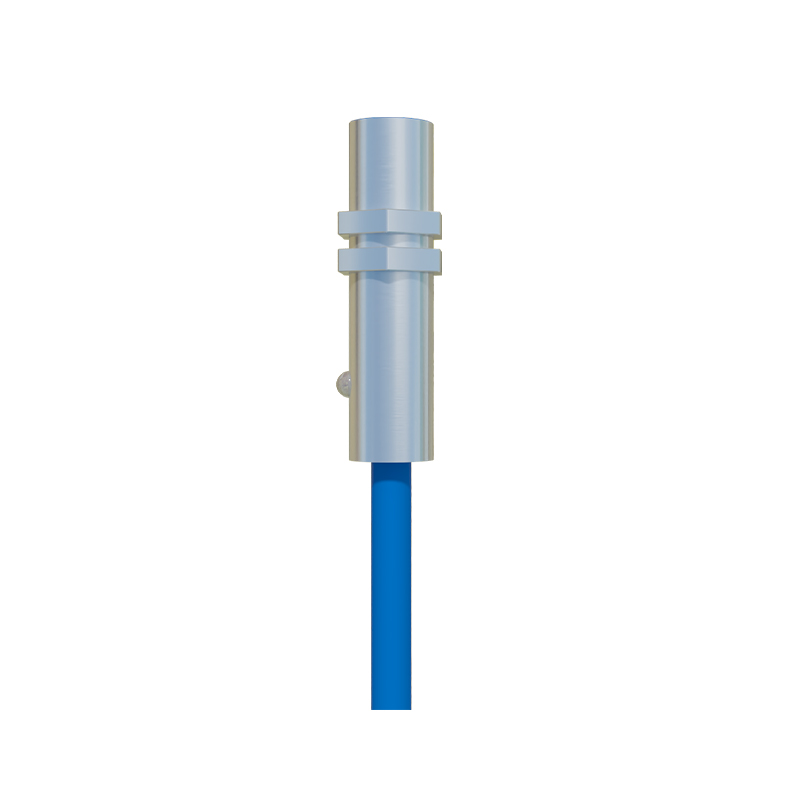
Balluff GmbH has carved a significant niche with its emphasis on connectivity and Industry 4.0 readiness. While their sensors are physically robust and precise, their defining strength lies in smart sensor technology. Balluff is a leader in integrating RFID and IO-Link into their proximity sensors, turning a simple detection event into a data point. For smart factories aiming for predictive maintenance and detailed process monitoring, Balluff's offerings are compelling.
IFM Electronic is notable for its system-oriented approach and user-friendly design. IFM sensors are known for their high quality, intuitive setup (often with clear visual indicators), and strong technical support. They offer a comprehensive range that covers nearly all sensing principles. Their focus is on providing a complete sensing solution that reduces downtime and simplifies maintenance, making them a favorite in many mid-to-large-scale automation projects.
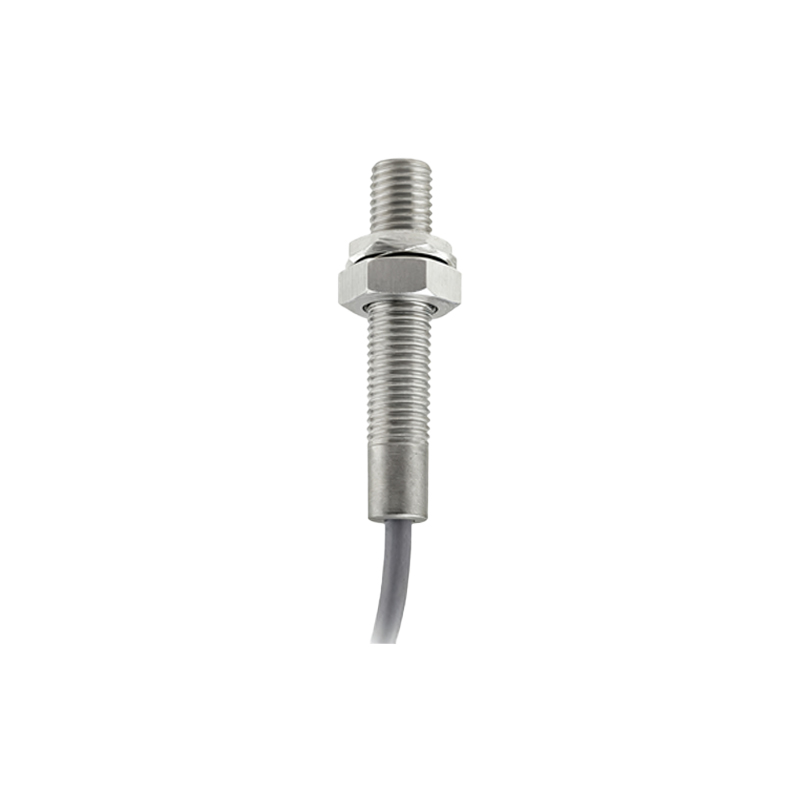
Beyond these giants, brands like Turck, Banner Engineering, and Rockwell Automation (Allen-Bradley) also provide excellent alternatives with their own unique advantages in connectivity, specialized sensing, or seamless integration within a specific automation ecosystem.
So, how do you choose? Start with a rigorous assessment of your application:
1. Sensing Principle: Inductive (for metals), capacitive (for non-metals, liquids), or photoelectric (for precise position, color)?
2. Performance Specifications: Required sensing distance, repeat accuracy, switching frequency, and housing material (e.g., stainless steel for washdown environments).
3. Environmental Factors: Temperature range, exposure to chemicals, oils, or coolants, and the presence of vibration or shock.
4. Electrical Requirements: Operating voltage (DC or AC), output type (PNP/NPN, NO/NC), and connection method (cable or connector).
5. Smart Features: Is IO-Link, diagnostic data, or parameterization via software necessary for your system?
For a standard machine guarding application with aluminum components, an Omron or Sick inductive sensor might be perfect. For detecting transparent bottles on a high-speed filling line, a Banner or Sick photoelectric sensor with background suppression would be superior. For a valve position feedback in a chemical plant, a Pepperl+Fuchs certified for hazardous areas is non-negotiable.
In conclusion, declaring one brand as the absolute "best" is impractical. Sick and Omron lead in general robustness and innovation, Pepperl+Fuchs dominates safety-critical zones, Balluff excels in data-rich environments, and IFM offers superb system integration. The optimal strategy is to define your technical and operational parameters first, then evaluate which brand's product line and support structure align most closely with those needs. Often, the best sensor is the one you can rely on for millions of cycles without failure, supported by a supplier who understands your industry's challenges. Invest time in the specification process; the right small proximity sensor