In the rapidly evolving landscape of industrial automation, laser proximity sensors have become indispensable tools for precision measurement, object detection, and quality control. These sensors utilize laser technology to accurately gauge distances or detect the presence of objects without physical contact, offering high reliability and repeatability in demanding environments. This article presents a comprehensive ranking of leading laser proximity sensors based on performance, durability, innovation, and market adoption, tailored for engineers and procurement specialists in the electrical and automation sectors.
Topping the list is the Keyence IL Series, renowned for its exceptional accuracy and robust design. Keyence sensors excel in applications requiring micron-level precision, such as semiconductor manufacturing and精密 assembly lines. Their advanced algorithms enable stable detection even on challenging surfaces like transparent or glossy materials, minimizing false triggers. The integration of intuitive setup software further reduces commissioning time, making them a favorite among technicians.
Following closely is the Sick DT35 Series, which stands out for its versatility and ruggedness. Designed to withstand harsh industrial conditions—including extreme temperatures, vibrations, and contaminants—the DT35 is ideal for logistics, automotive, and heavy machinery sectors. Its customizable output options (e.g., analog, IO-Link) and adjustable sensing ranges provide flexibility for diverse setups. Sick’s emphasis on durability ensures long-term operation with minimal maintenance, a critical factor for continuous production lines.
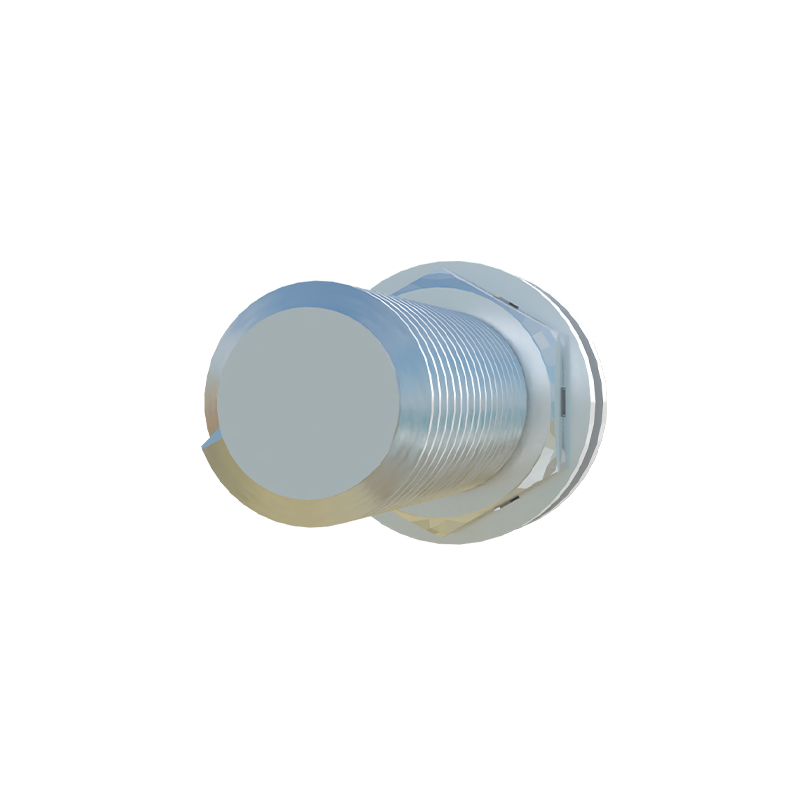
The Omron E3Z-LS Series secures a high rank due to its cost-effectiveness and user-friendly features. Omron sensors offer reliable performance for general-purpose applications, such as packaging, material handling, and conveyor systems. With compact housings and easy alignment mechanisms, they simplify installation in space-constrained areas. The series includes models with background suppression technology, enhancing detection accuracy against varying environmental light conditions.
Banner Engineering’s Q4X Series is celebrated for its innovative hybrid sensing capabilities, combining laser distance measurement with photoelectric detection. This dual functionality allows it to handle complex tasks like liquid level monitoring or small part identification in food and beverage or pharmaceutical industries. The stainless-steel housing and IP69K rating make it suitable for washdown environments, addressing hygiene and corrosion concerns.
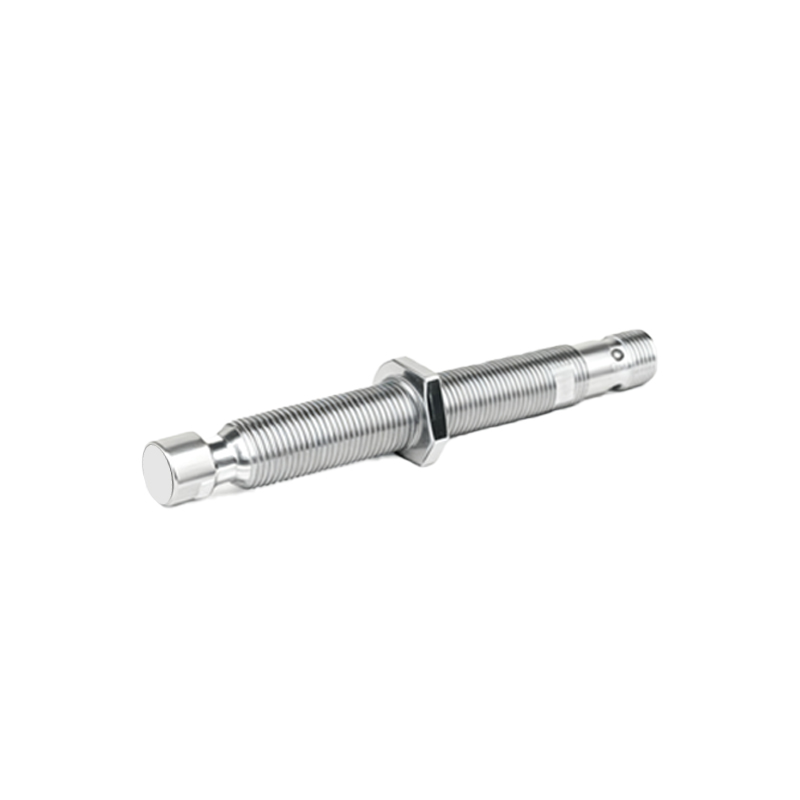
Rounding out the top five is the Pepperl+Fuchs R200 Series, which emphasizes high-speed response and precision in dynamic applications. Pepperl+Fuchs sensors are often deployed in robotics and automated guided vehicles (AGVs) where rapid object detection is crucial. Their robust construction and immunity to electromagnetic interference ensure consistent operation in electrically noisy settings.
When selecting a laser proximity sensor, key considerations include sensing range, resolution, response time, environmental resistance (e.g., IP ratings), and compatibility with existing control systems. Innovations such as IO-Link connectivity for data logging and predictive maintenance are becoming standard, enhancing operational efficiency. As industries embrace smart manufacturing, laser sensors with integrated diagnostics and network capabilities are poised to lead future rankings.
In summary, this ranking reflects current market trends and technological advancements. Engineers should evaluate specific application needs—whether for high-precision tasks, harsh conditions, or budget constraints—to choose the optimal sensor. Regular consultation with technical datasheets and supplier support is recommended to ensure seamless integration and peak performance.