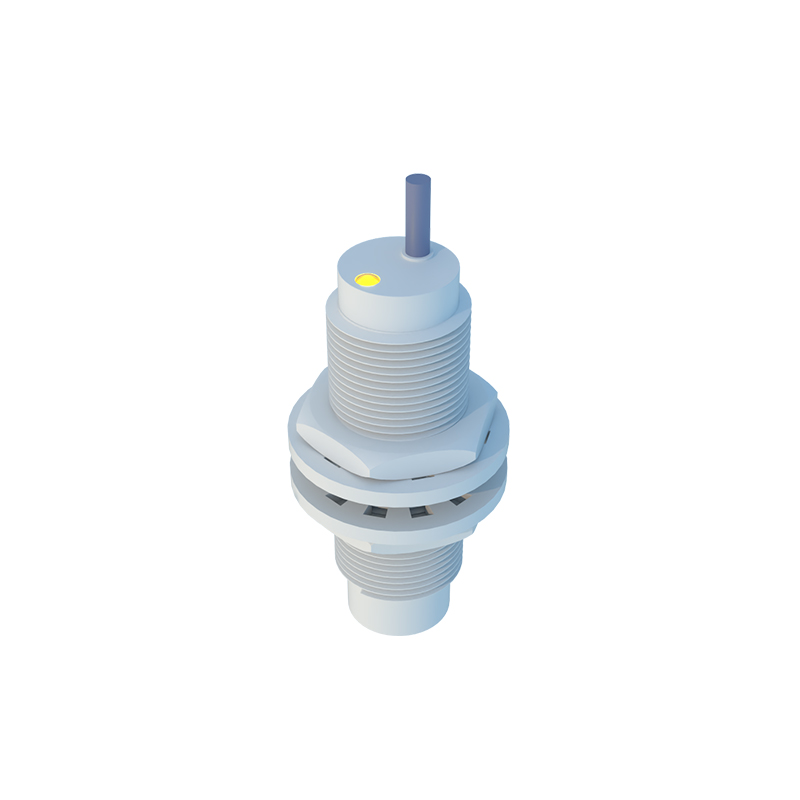
Inductive proximity sensor plug-ins represent a critical component in modern industrial automation, offering non-contact detection of metallic objects with exceptional reliability. These devices operate on the principle of electromagnetic induction, where an oscillator generates a high-frequency electromagnetic field from the sensing face. When a metallic target enters this field, eddy currents are induced on the target's surface, causing a change in the oscillation amplitude. This change is detected by the sensor's circuitry, which subsequently triggers a solid-state output switch. The plug-in design refers to the compact, cylindrical housing that can be easily installed into standard mounting holes, typically M8, M12, M18, or M30 sizes, making them highly versatile for integration into machinery and control panels.
One of the primary advantages of inductive proximity sensors is their robustness. Encased in materials like nickel-plated brass, stainless steel, or PBT plastic, they are inherently resistant to environmental challenges such as dust, oil, coolant, and vibration. This makes them ideal for harsh manufacturing environments, including automotive assembly lines, packaging machinery, and material handling systems. Unlike optical or capacitive sensors, inductive variants are unaffected by target color, transparency, or non-metallic contaminants, providing consistent performance focused solely on ferrous and non-ferrous metals. However, their sensing range is limited and varies based on the target material; for instance, the effective sensing distance for steel is standardized, while for aluminum or copper, it is reduced due to different electromagnetic properties.
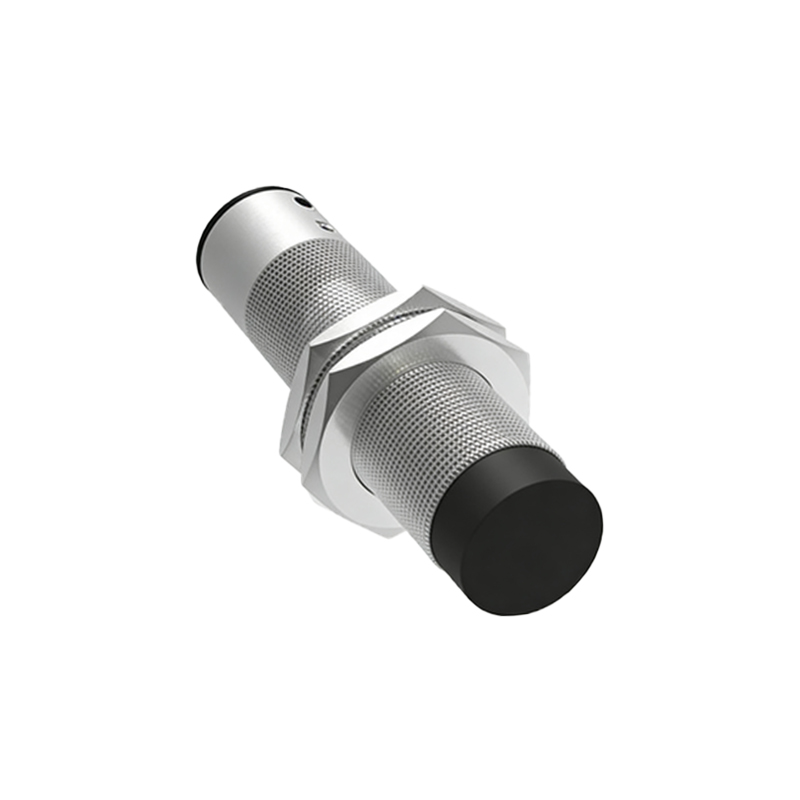
The electrical characteristics of these plug-ins are standardized for global compatibility. Most operate on DC voltages ranging from 10-30V DC or AC options, with outputs configured as NPN (sinking) or PNP (sourcing) transistors, or sometimes as analog (4-20mA or 0-10V) for distance-proportional measurement. The choice between NPN and PPN depends on the PLC (Programmable Logic Controller) input card configuration prevalent in the region—NPN is common in Asia, while PNP is favored in Europe and North America. Key performance parameters include switching frequency (how many detections per second), hysteresis (the difference between switch-on and switch-off points to prevent chatter), and temperature tolerance, often spanning from -25°C to +70°C.
Installation and wiring are straightforward due to the plug-in design. Sensors are secured via a locknut, and pre-wired connectors or cable versions are available. Proper mounting is crucial: the sensor should be positioned to avoid mutual interference when multiple units are adjacent, and the sensing face must be free of obstructions. Shielding types (flush-mounted) allow installation in metal without false triggers, while non-shielded types offer longer ranges but require non-metallic surroundings. Maintenance is minimal, primarily involving periodic checks for physical damage or buildup that might attenuate the sensing field.
Applications are vast. In conveyor systems, they detect the presence of metal parts for counting or positioning. In robotics, they serve as end-stops or tool presence verifiers. In safety circuits, they can confirm guard door closure. Recent advancements include IO-Link communication capability, enabling smart sensors that provide diagnostic data like operating hours, temperature warnings, and signal strength to predictive maintenance systems, aligning with Industry 4.0 trends.
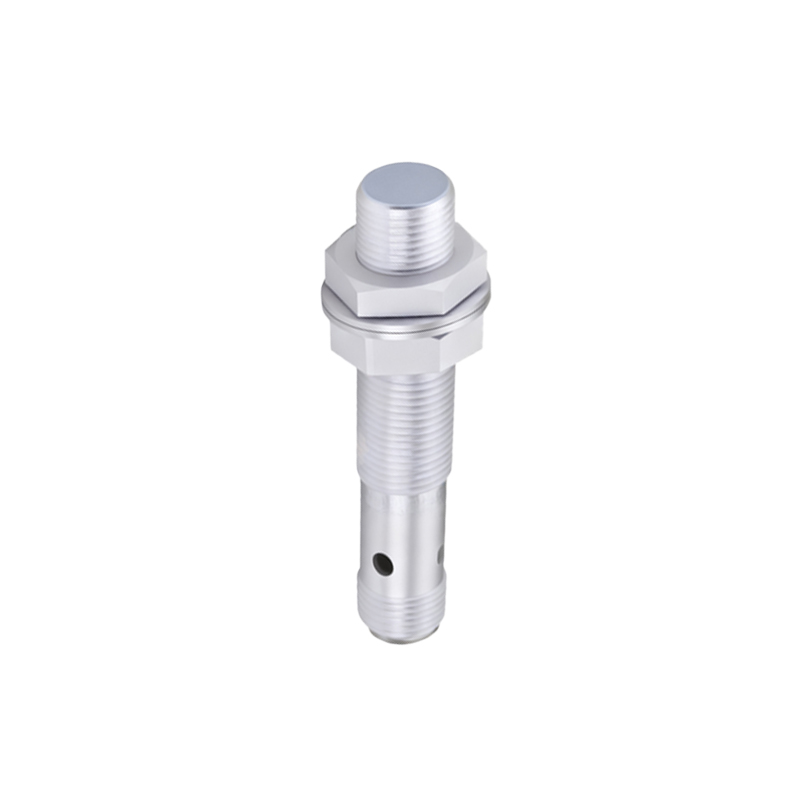
When selecting an inductive proximity sensor plug-in, engineers must consider factors like required sensing distance, target material and size, housing material for chemical resistance, electrical output type, and connection method. Understanding these specifications ensures optimal performance, reduces downtime, and enhances system efficiency. As automation evolves, these sensors continue to be indispensable for precise, durable, and cost-effective metallic object detection.