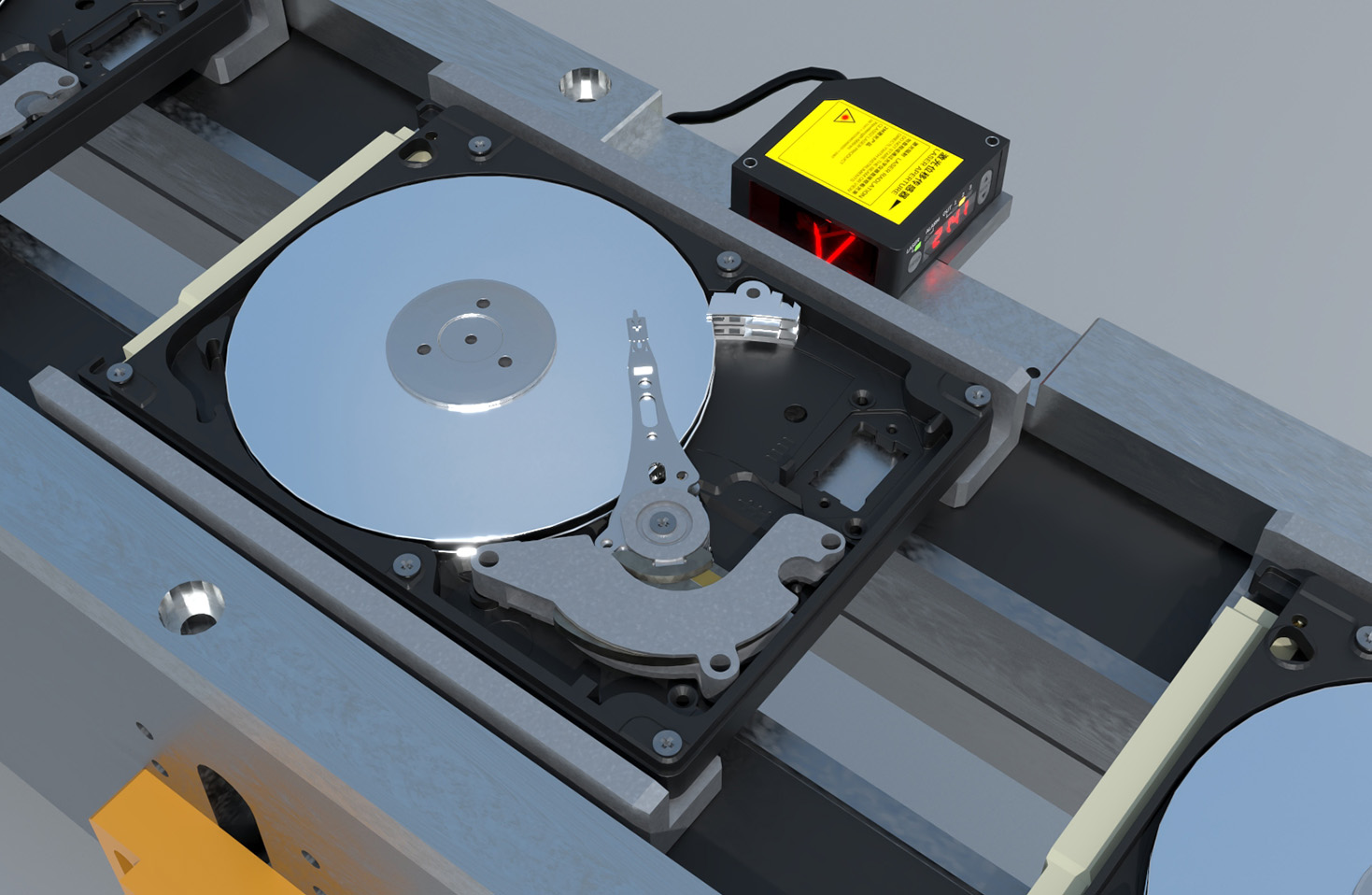
In the realm of industrial automation and precision engineering, laser distance sensors have become indispensable tools for non-contact measurement. At the heart of these sensors lies a critical component: the lens. This article delves into the intricacies of laser distance sensor lenses, exploring their function, types, and impact on overall system performance.
The primary role of the lens in a laser distance sensor is to shape and direct the emitted laser beam. A high-quality lens ensures the beam is collimated—meaning it remains narrow and parallel over long distances—which is fundamental for achieving accurate measurements. Conversely, poor lens quality can lead to beam divergence, scattering, or distortion, introducing significant errors in distance calculations. The lens also collects the reflected laser light from the target object and focuses it onto the sensor's photodetector. The efficiency of this light collection directly influences the sensor's signal strength, range, and ability to operate in challenging environments with low reflectivity or ambient light interference.
Several types of lenses are employed, each with specific characteristics. Common materials include optical glass, such as BK7 or fused silica, and engineered plastics like PMMA. Glass lenses generally offer superior optical clarity, thermal stability, and resistance to scratching, making them ideal for high-precision or harsh industrial applications. Plastic lenses are lighter and more cost-effective, suitable for high-volume consumer or less demanding industrial uses. The lens design is equally crucial. Spherical lenses are common, but for applications requiring minimal aberration over a wide field of view, aspherical lenses are preferred. Furthermore, lenses are often coated with anti-reflective (AR) coatings. These multilayer coatings reduce light loss at the air-glass interfaces, increasing the amount of transmitted and received light, thereby boosting the sensor's effective range and signal-to-noise ratio.

Selecting the right lens involves a careful balance of parameters. The focal length determines the working distance and spot size. A shorter focal length produces a smaller spot size at a closer range, beneficial for measuring small objects, while a longer focal length is used for longer distances. The lens diameter affects the light-gathering capability; a larger diameter collects more light, enhancing performance for distant or low-reflectivity targets. Engineers must also consider the sensor's operating wavelength (commonly 650nm red visible lasers or 850nm/905nm infrared lasers). The lens material and coatings must be optimized for peak transmission at that specific wavelength. Environmental factors cannot be ignored. Lenses must be protected from dust, moisture, oils, and mechanical impact. Many industrial-grade sensors feature protective windows or are built with rugged, sealed housings (IP67 or higher) that safeguard the lens. In extremely dirty environments, systems with integrated air purge nozzles are used to keep the lens surface clean.
Maintenance of the lens is straightforward but vital. Regular inspection for contamination—such as dust, fingerprints, or coolant mist—is necessary. Cleaning should be performed gently with approved lens cleaning solutions and microfiber cloths to avoid scratching the coatings. Any permanent damage or degradation to the lens surface necessitates replacement, as it will irrevocably degrade measurement accuracy.
In conclusion, the lens is far more than a simple window on a laser distance sensor. It is a precision optical element that defines the sensor's capability frontier. From material science and coating technology to mechanical design for environmental robustness, every aspect of the lens contributes to reliable, high-accuracy distance measurement. A deep understanding of lens properties empowers engineers to select the optimal sensor for their application, ensuring performance, longevity, and return on investment in automated systems, robotics, quality control, and beyond.