Cylindrical proximity sensors are essential components in industrial automation, widely used for object detection, positioning, and control in machinery and production lines. Their pricing varies significantly based on several technical and market-driven factors, making it crucial for engineers and procurement specialists to understand what influences costs. This article delves into the key elements that determine the price of cylindrical proximity sensors, providing insights for informed purchasing decisions.
First, the sensing technology plays a pivotal role in pricing. Inductive sensors, which detect metallic objects, are generally more affordable due to their simplicity and widespread use. Capacitive sensors, capable of detecting both metallic and non-metallic materials, tend to be priced higher because of their complex circuitry and versatility. Similarly, ultrasonic and photoelectric cylindrical sensors command premium prices due to advanced components and precision requirements. The choice of technology directly impacts cost, with prices ranging from $20 for basic inductive models to over $200 for specialized variants.
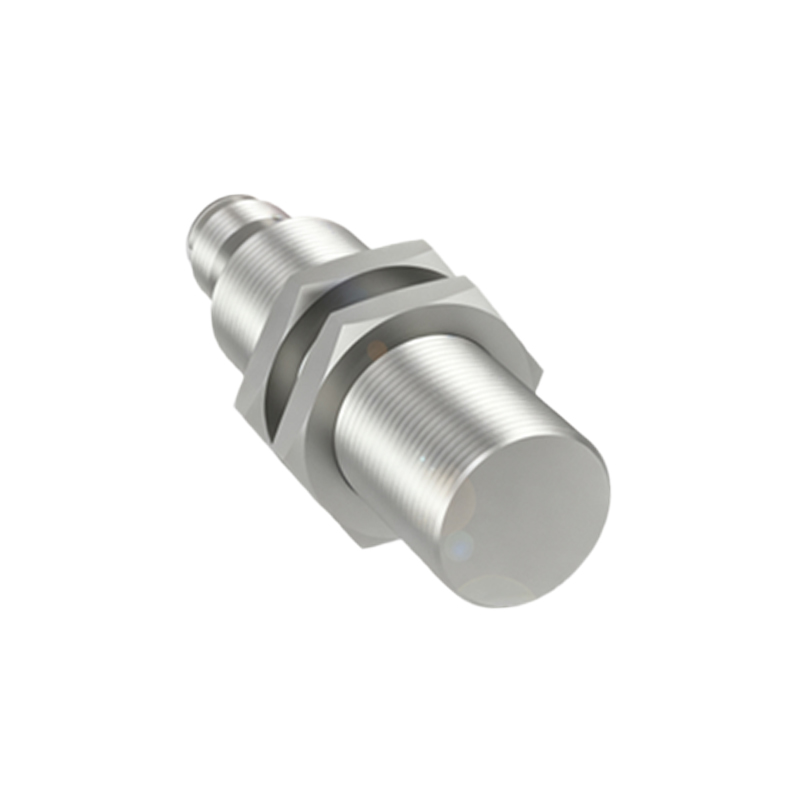
Material and construction quality are another critical factor. Sensors housed in stainless steel or nickel-plated brass offer superior durability and resistance to harsh environments, such as extreme temperatures, moisture, and chemicals, but they come at a higher price point. In contrast, plastic or mild steel housings reduce costs but may compromise longevity in demanding applications. Additionally, ingress protection (IP) ratings like IP67 or IP68, which ensure dust and water resistance, add to the manufacturing expense, reflecting in the final price.
Performance specifications, including sensing range, response time, and output type, also influence costs. Sensors with longer detection distances (e.g., up to 40 mm) or faster response times (microseconds) require sophisticated electronics and calibration, increasing their price. Output options—such as NPN, PNP, analog, or IO-Link—add complexity; for instance, IO-Link-enabled sensors with smart communication features are more expensive due to integrated digital interfaces. Brands known for high reliability, like Omron, Sick, or Pepperl+Fuchs, often charge a premium for their reputation and extensive testing, while generic or lesser-known brands may offer lower prices but with potential trade-offs in consistency.
Market dynamics and supply chain factors further affect pricing. Bulk purchases typically lead to discounts, making unit prices more economical for large-scale industrial projects. Geographic regions with higher manufacturing costs, such as Europe or North America, may see elevated prices compared to sensors produced in Asia. Recent global events, like semiconductor shortages or logistics disruptions, have also caused price fluctuations, emphasizing the need for strategic sourcing.
In summary, the price of cylindrical proximity sensors is shaped by technology type, materials, performance features, brand value, and market conditions. By evaluating these aspects against specific application needs—such as environment, accuracy, and budget—engineers can optimize their selections. Investing in higher-priced sensors with robust features often pays off through reduced downtime and maintenance, ensuring efficient and reliable automation systems. Always consult datasheets and supplier quotes to compare options, balancing cost with long-term operational benefits.