In the realm of industrial automation and control, proximity sensors are indispensable components for detecting the presence or absence of objects without physical contact. While metallic target detection is common, numerous applications require sensing non-metallic materials such as plastics, wood, glass, liquids, and organic substances. Non-metallic proximity sensors are specifically engineered to fulfill this need, utilizing various physical principles to achieve reliable detection. This article explores the primary types of non-metallic proximity sensors, their operating principles, key characteristics, and typical industrial applications.
Capacitive proximity sensors are among the most versatile solutions for detecting non-metallic objects. They operate based on changes in capacitance. The sensor generates an electrostatic field. When a target object enters this field, it alters the dielectric constant, leading to a measurable change in capacitance. This change triggers the sensor's output switch. Capacitive sensors can detect a wide range of materials, including plastics, ceramics, paper, cardboard, granules, and even liquids or pastes through certain container walls. Their sensitivity is often adjustable, allowing them to ignore certain background materials or be tuned for specific applications. Common uses include level detection of liquids or powders in tanks, presence verification of plastic caps on bottles, and monitoring of paper or fabric in processing lines.

Ultrasonic proximity sensors employ sound waves beyond the human hearing range (typically above 20 kHz). They function by emitting ultrasonic pulses and then measuring the time taken for the echo to return after reflecting off a target object. The time-of-flight principle allows them to detect virtually any solid or liquid material, regardless of color, transparency, or surface texture. These sensors are excellent for detecting transparent films, glass panels, wooden blocks, or bulk materials. They are widely used in packaging machinery to detect flimsy materials, in automotive assembly for glass positioning, and in food processing for container fill-level control. Their key advantage is the consistent detection of acoustically reflective surfaces, though factors like temperature, humidity, and steep incidence angles can influence performance.
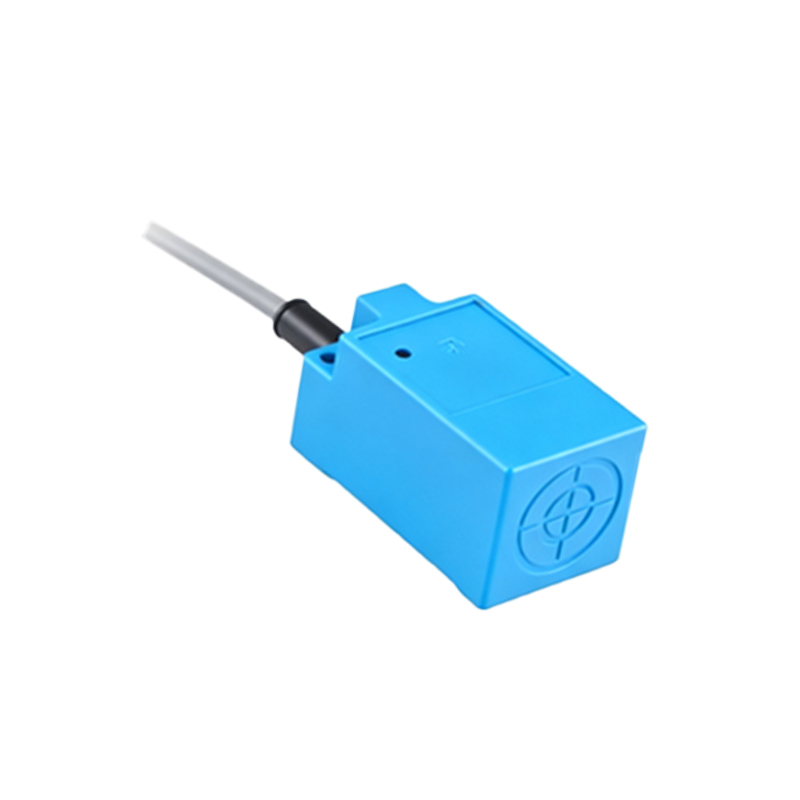
Optical proximity sensors, particularly diffuse-reflective types, are highly effective for non-metallic object detection. They consist of a light emitter (usually an LED producing visible red, infrared, or laser light) and a receiver. The sensor detects light reflected directly from the target object. Since most non-metallic surfaces reflect light to some degree, these sensors can detect items like cardboard boxes, plastic parts, rubber tires, and wood pallets. Their performance depends on the target's color, reflectivity, surface finish, and the environmental conditions. Dark, matte, or transparent objects may pose challenges, often requiring specialized versions with background suppression or fixed-field tuning. Applications are vast, including object counting on conveyors, break detection in textile webs, and part positioning in assembly robots.
Fiber-optic sensors represent a specialized subset of optical sensors. They use flexible fiber-optic cables to transmit light to and from a sensing head. The small sensing head allows installation in extremely confined spaces, and the amplifier unit can be remotely located. By using different tip configurations (diffuse, through-beam, or retro-reflective), they can detect minute objects, transparent materials, or high-speed events. They are immune to electrical noise and suitable for harsh environments. Typical applications include detecting tiny electronic components, monitoring clear vials in pharmaceutical production, and sensing labels on fast-moving packaging.
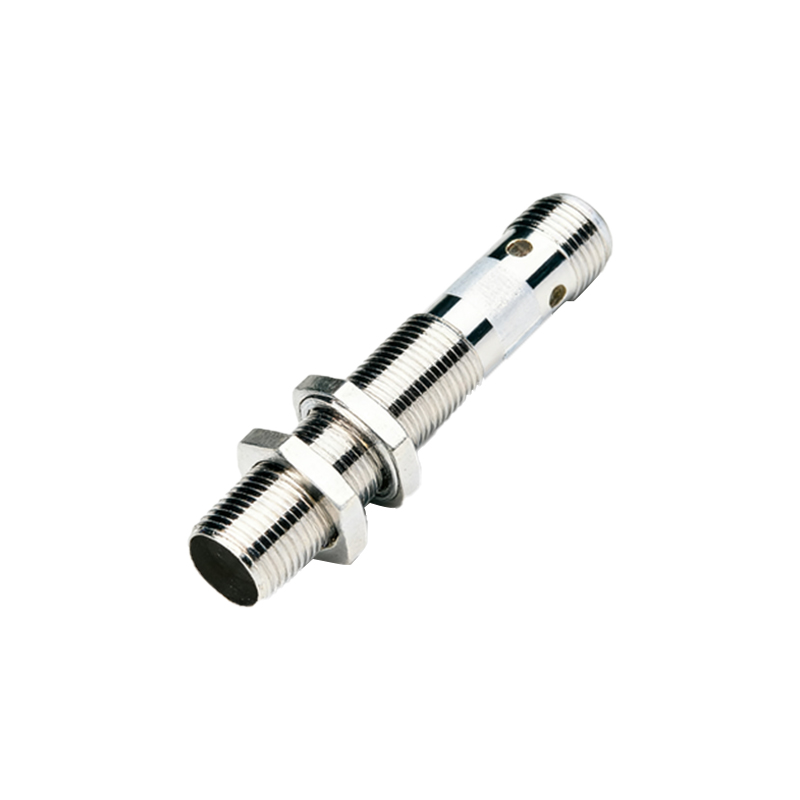
Pneumatic proximity sensors, or air sensors, operate on a purely mechanical principle using air flow. They detect objects by sensing the back-pressure or flow change in a pneumatic circuit when an object obstructs an air jet. These sensors are ideal for detecting fragile, lightweight, or highly delicate non-metallic objects, such as thin plastic films, fragile glassware, or soft food products, where physical contact or even a light beam might cause damage or disturbance. They are commonly found in cleanrooms, food packaging, and electronic component handling.
Selection criteria for non-metallic proximity sensors involve several factors. The material composition, size, and surface properties of the target are paramount. Environmental conditions like dust, moisture, temperature extremes, and ambient light must be considered. Required sensing distance, response speed, output type (digital or analog), and installation constraints also guide the choice. For instance, a capacitive sensor is preferred for liquid level control, an ultrasonic sensor for irregularly shaped bulk materials, and a diffuse optical sensor for standard packaging on a clean conveyor.
In conclusion, the landscape of non-metallic proximity sensors is diverse, with capacitive, ultrasonic, optical (including fiber-optic), and pneumatic types leading the field. Each technology offers distinct advantages tailored to specific material properties and industrial environments. Their continued evolution enhances precision, reliability, and flexibility in modern automated systems, enabling sophisticated handling, quality control, and process monitoring across manufacturing, packaging, food and beverage, and logistics industries. Understanding their principles and applications is