Square proximity sensors are widely utilized in industrial automation due to their robust design and reliable performance. Unlike cylindrical sensors, square sensors offer distinct advantages in mounting flexibility and environmental resistance. This article explores the key features that make square proximity sensors a preferred choice in various industrial settings.
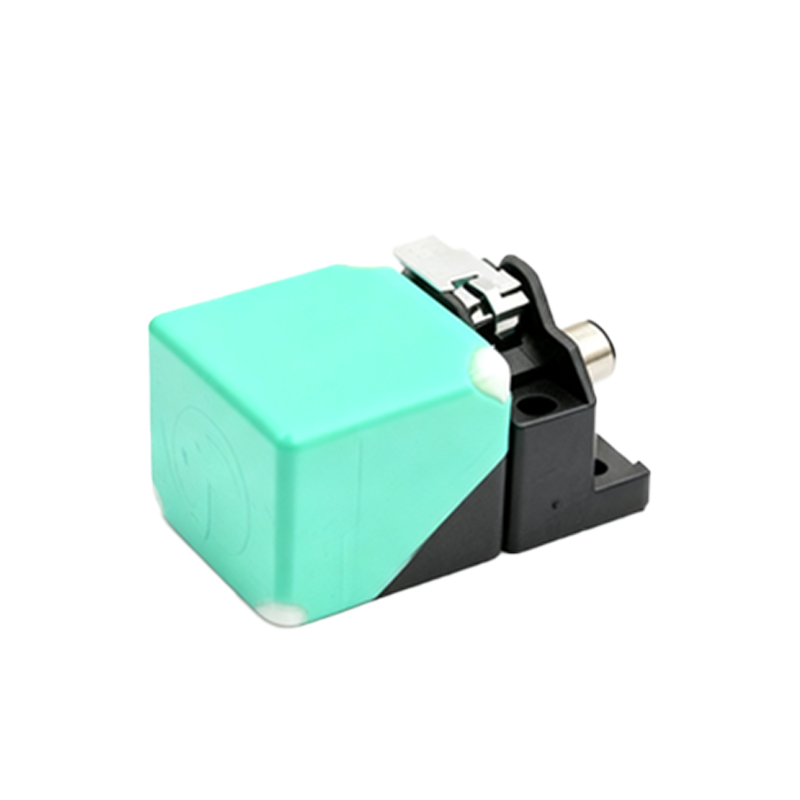
One of the primary features of square proximity sensors is their compact and versatile design. The flat surfaces allow for easy installation in tight spaces, such as machinery enclosures or conveyor systems, where cylindrical sensors might not fit. This shape facilitates mounting on multiple sides, providing flexibility in alignment and positioning. Additionally, square sensors often come with integrated mounting brackets or slots, simplifying the installation process and reducing setup time.
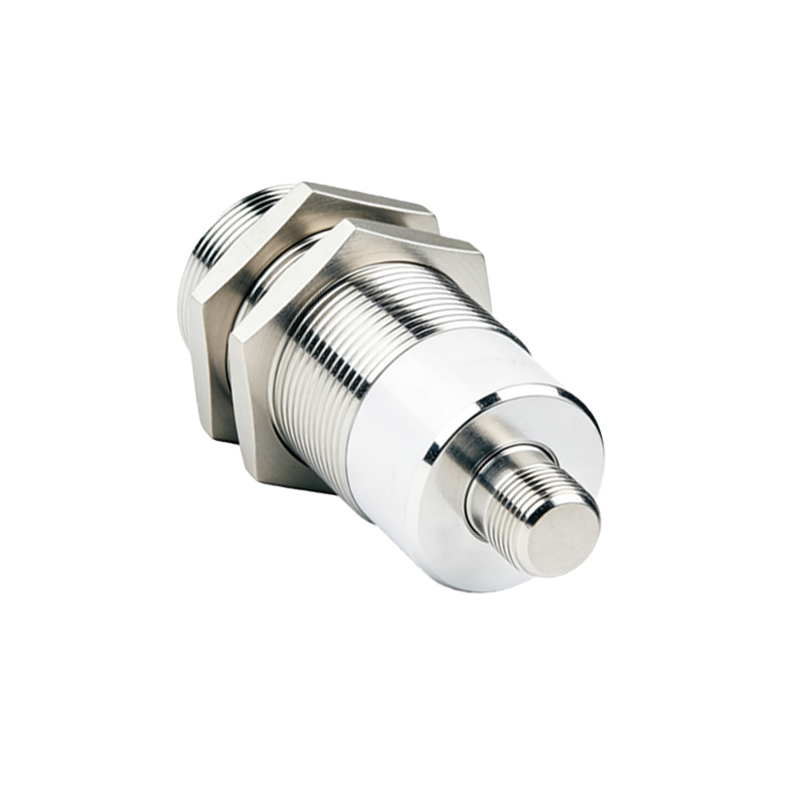
Durability is another critical aspect. Square proximity sensors are typically constructed from high-grade materials like stainless steel or rugged plastics, ensuring resistance to impacts, vibrations, and harsh conditions. Many models feature IP67 or higher ingress protection ratings, making them suitable for environments with dust, moisture, or chemical exposure. This robustness extends their operational lifespan, minimizing maintenance needs and downtime in industrial applications.
In terms of sensing capabilities, square proximity sensors excel in precision and range. They commonly employ inductive, capacitive, or ultrasonic technologies, depending on the target material. Inductive sensors, for instance, detect metallic objects with high accuracy, while capacitive versions can sense non-metallic materials like liquids or plastics. The square design often allows for larger sensing faces, enhancing detection range and stability. Advanced models include adjustable sensitivity settings, enabling customization for specific tasks, such as detecting small components or avoiding false triggers.
Electrical performance is also a standout feature. Square proximity sensors typically operate on standard DC or AC voltages, with options for PNP or NPN output configurations to match control systems. They offer fast response times, often in milliseconds, which is crucial for high-speed automation processes. Many sensors incorporate LED indicators for status monitoring, aiding in troubleshooting and ensuring real-time feedback on operational health.
Integration with modern industrial networks is increasingly common. Square proximity sensors often support connectivity via IO-Link or other communication protocols, allowing for data exchange and remote configuration. This smart functionality enables predictive maintenance, parameter adjustments, and system diagnostics, aligning with Industry 4.0 trends. The ability to monitor sensor performance and environmental conditions enhances overall efficiency and reduces operational costs.
Energy efficiency is another notable feature. Many square proximity sensors are designed with low power consumption, contributing to sustainable operations. This is particularly beneficial in large-scale installations where multiple sensors are deployed, as it lowers energy bills and reduces heat generation. Some models include sleep modes or power-saving functions, further optimizing resource use without compromising reliability.
In summary, square proximity sensors offer a blend of compact design, durability, precise sensing, and smart integration. Their adaptability to challenging environments and compatibility with industrial automation systems makes them indispensable in sectors like manufacturing, packaging, and material handling. By leveraging these features, engineers can enhance system performance, improve safety, and achieve greater operational efficiency.