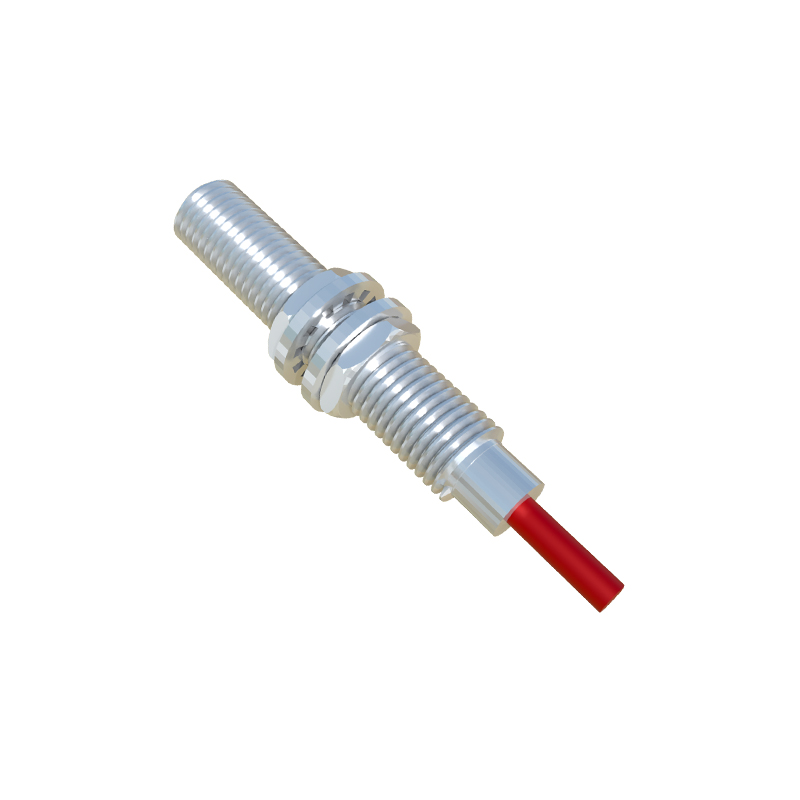
In the realm of industrial automation and electrical engineering, proximity sensors are indispensable for non-contact detection of metallic objects. At the heart of many high-performance inductive proximity sensors lies a critical, yet often underappreciated, component: the magnetic ring. This article delves into the fundamental principles, design considerations, and practical applications of proximity sensor magnetic rings, providing a detailed technical overview for industry professionals.
Fundamentally, a proximity sensor magnetic ring is a toroidal core, typically constructed from ferrite or a similar high-permeability, low-loss magnetic material. Its primary function is to shape and concentrate the alternating magnetic field generated by the sensor's oscillator coil. When the sensor is powered, the coil creates an oscillating electromagnetic field that is confined and directed by the magnetic ring. This design significantly increases the field's strength and focus in the sensor's active face direction, thereby enhancing both the sensing range and the sensitivity of the device. Without this ring, the magnetic field would dissipate rapidly and irregularly, resulting in poor performance, inconsistent switching points, and susceptibility to external interference.
The selection of magnetic ring material is paramount and is dictated by the sensor's operating frequency and required performance characteristics. Manganese-zinc (MnZn) ferrites are common for lower frequency applications, offering high permeability and saturation flux density. For higher frequency sensors, nickel-zinc (NiZn) ferrites are preferred due to their higher resistivity, which minimizes eddy current losses at elevated frequencies. The geometric design of the ring—its outer diameter, inner diameter, and thickness—is meticulously calculated to achieve the desired magnetic circuit characteristics, optimizing the Q-factor of the resonant circuit and ensuring a stable oscillation until a metallic target enters the field.
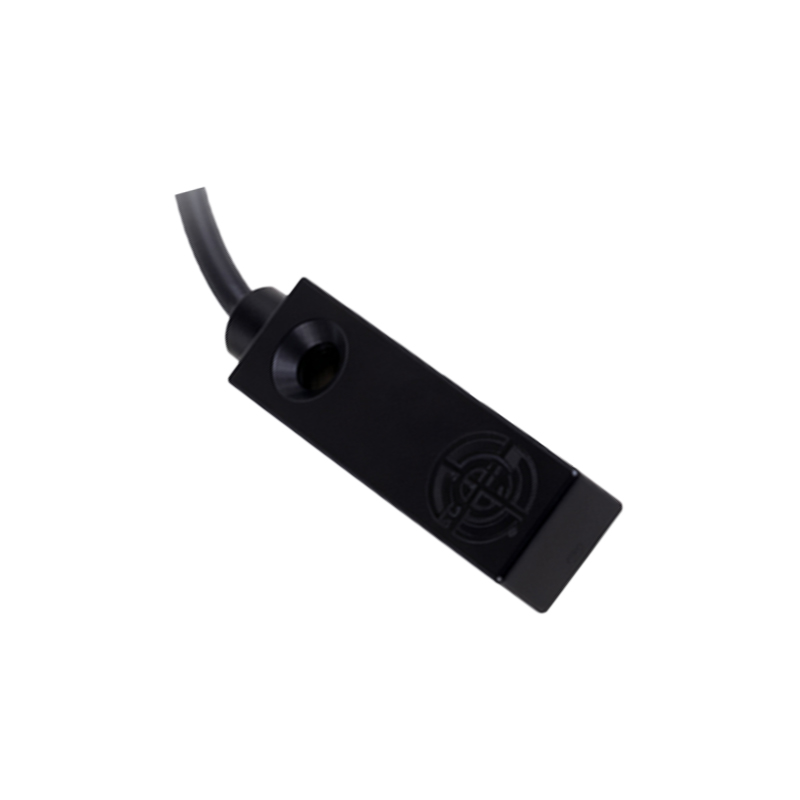
When a conductive metal object enters the concentrated magnetic field, eddy currents are induced on the target's surface. These eddy currents, governed by Lenz's law, create their own opposing magnetic field, which effectively loads the sensor's oscillator. This loading causes a measurable change in the oscillator's amplitude or frequency (depending on the sensor's design—typically amplitude attenuation in standard inductive sensors). The sensor's evaluation circuit detects this change and triggers a switching signal. The magnetic ring's efficiency in focusing the field directly translates to a stronger eddy current response for a given target size and distance, allowing for longer standard sensing distances (Sn) and improved repeatability.
Key performance metrics influenced by the magnetic ring include the sensing distance, hysteresis, and temperature stability. A well-designed ring ensures a consistent nominal sensing distance as specified by the sensor's datasheet. Hysteresis, the difference between the switch-on and switch-off points, is also stabilized by a consistent magnetic field profile, preventing chatter in the output signal. Furthermore, high-quality magnetic materials with stable temperature coefficients ensure that the sensor's performance remains reliable across its specified operating temperature range, often from -25°C to +70°C or beyond.
In practical applications, magnetic rings enable proximity sensors to perform reliably in harsh industrial environments. They are found in countless automation scenarios: position detection of machine tool parts, limit switching in robotic arms, counting metallic objects on conveyor belts, and monitoring rotational speed via gear teeth. The focused field provided by the ring also offers a degree of inherent shielding, reducing the likelihood of false triggers from adjacent metallic structures or sensors, a feature crucial in densely packed control panels or machinery.
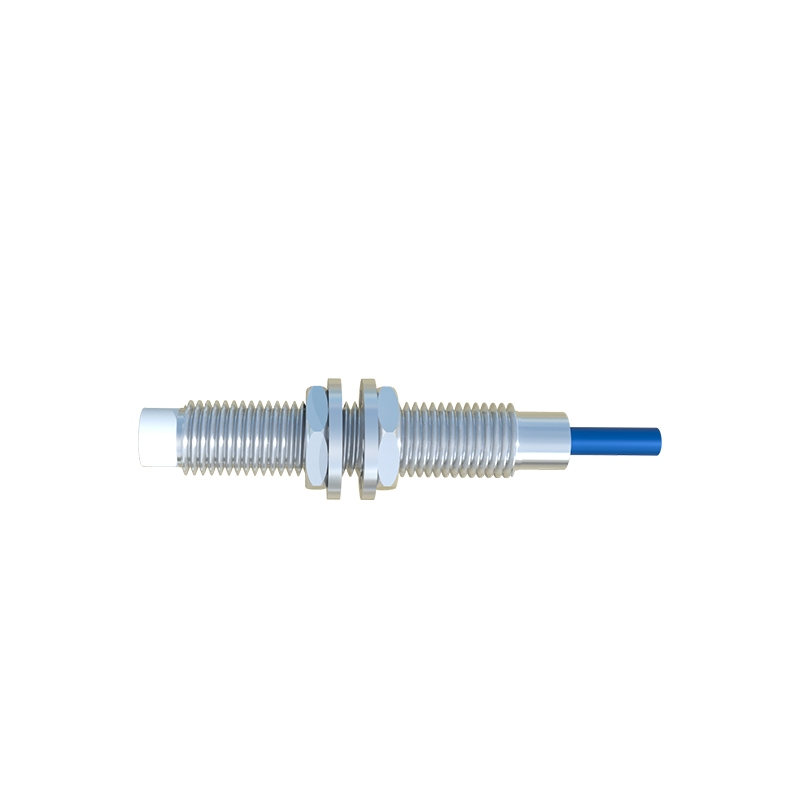
Maintenance and selection considerations are straightforward but important. Magnetic rings are integral to the sensor assembly and are not typically a user-serviceable part. However, understanding their role aids in sensor selection. For applications requiring extended sensing ranges or detection of specific metals (like mild steel versus stainless steel), choosing a sensor model with an optimized magnetic circuit (and thus ring design) is critical. Physical damage to the sensor face, which could crack the magnetic ring, will degrade performance and necessitates replacement.
In conclusion, the magnetic ring is far more than a simple passive component; it is the essential element that defines the effective operating zone and reliability of an inductive proximity sensor. Its design embodies a precise application of electromagnetic principles to solve practical engineering challenges. For engineers designing, specifying, or maintaining automated systems, a deep appreciation of this component's function ensures the selection of the right sensor for the job and fosters a clearer understanding of the system's overall behavior and limitations.