In the dynamic landscape of industrial automation, level proximity sensors have emerged as critical components for ensuring operational efficiency, safety, and precision across diverse sectors such as manufacturing, water treatment, chemical processing, and food production. These sensors, designed to detect the presence or absence of liquids, solids, or granular materials without physical contact, rely on technologies including ultrasonic, capacitive, inductive, and optical principles. As industries increasingly adopt smart factory concepts and IoT integration, the demand for advanced, reliable sensing solutions has propelled several companies to the forefront of innovation. This article explores key players driving advancements in level proximity sensor technology, highlighting their contributions to modern industrial systems.
One notable leader in this field is Sick AG, a German-based company renowned for its high-precision sensors and automation solutions. Sick's portfolio includes ultrasonic and capacitive level sensors that excel in harsh environments, offering robust performance in extreme temperatures and corrosive conditions. Their devices often feature integrated diagnostics and IO-Link communication, enabling real-time data exchange and predictive maintenance. By focusing on adaptability and durability, Sick has cemented its reputation in automotive, packaging, and logistics industries, where accurate level detection is paramount for seamless operations.
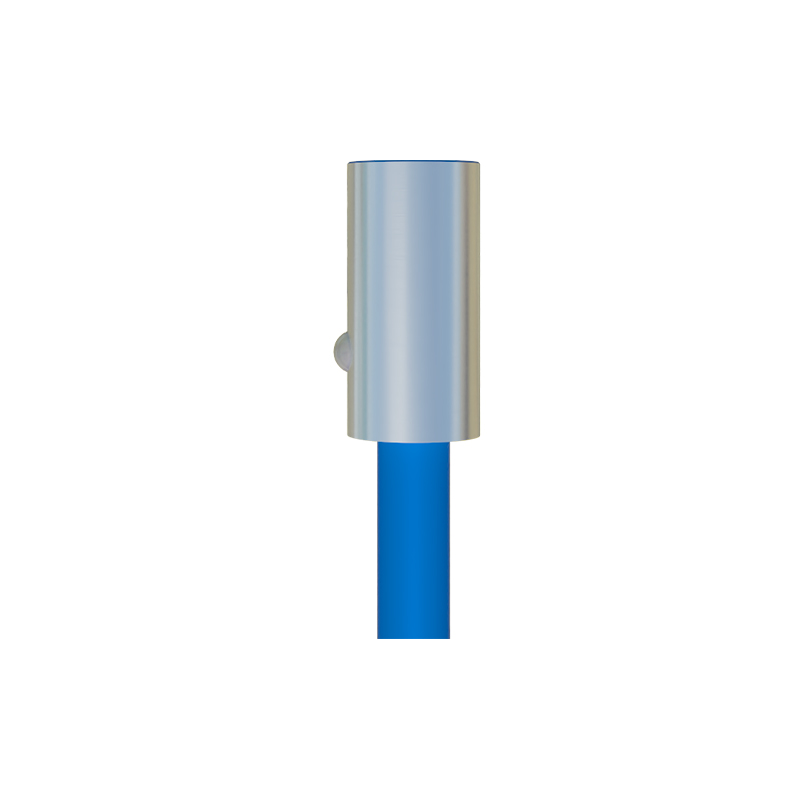
Another prominent innovator is ifm electronic, which specializes in intuitive, user-friendly sensor systems. ifm's level proximity sensors leverage capacitive and inductive technologies to monitor liquids and bulk solids with high repeatability. A standout aspect of ifm's approach is the emphasis on easy integration via plug-and-play setups and cloud connectivity, reducing installation time and enhancing scalability. Their sensors are widely used in food and beverage applications, where hygiene and compliance with sanitary standards are critical. ifm's commitment to digitalization aligns with Industry 4.0 trends, providing clients with actionable insights through centralized monitoring platforms.
Balluff GmbH, a German sensor manufacturer, has also made significant strides with its comprehensive range of level sensing solutions. Balluff's ultrasonic and capacitive sensors are engineered for precision in challenging settings, such as high-pressure tanks or vibrating machinery. The company distinguishes itself through modular designs and customizable options, allowing tailored solutions for specific customer needs. Additionally, Balluff's focus on networking capabilities, including RFID and Ethernet interfaces, supports automated data logging and remote control, making it a preferred choice for automotive and heavy machinery sectors.
In North America, Rockwell Automation stands out for its integrated control and sensing ecosystems. Rockwell's level proximity sensors, part of the Allen-Bradley product line, emphasize interoperability with programmable logic controllers (PLCs) and SCADA systems. Their sensors often incorporate advanced features like self-calibration and drift compensation, ensuring long-term accuracy with minimal manual intervention. Rockwell's holistic approach—combining hardware with software analytics—empowers industries like oil and gas to optimize inventory management and prevent overflow incidents, thereby reducing downtime and operational risks.
Meanwhile, Pepperl+Fuchs, a global pioneer in intrinsic safety and explosion protection, offers specialized level sensors for hazardous areas. Their capacitive and ultrasonic devices are certified for use in potentially explosive atmospheres, common in chemical or pharmaceutical plants. Pepperl+Fuchs excels in developing ruggedized sensors with high immunity to electrical interference, ensuring reliable performance in volatile conditions. The company's dedication to safety standards, such as ATEX and IECEx, underscores its role in protecting infrastructure and personnel, while its innovation in wireless sensing technology facilitates flexible installation in hard-to-reach locations.
Emerging trends in the sector include the integration of AI for predictive analytics and the development of miniaturized, energy-efficient sensors. Companies like Endress+Hauser are leveraging digital twins and cloud-based platforms to simulate sensor behavior and optimize processes remotely. Such advancements not only enhance accuracy but also contribute to sustainability by minimizing material waste and energy consumption.
In conclusion, the evolution of level proximity sensor technology is driven by a synergy of engineering excellence and digital transformation. Leading companies like Sick, ifm, Balluff, Rockwell Automation, and Pepperl+Fuchs are at the helm, delivering solutions that address complex industrial challenges. As automation continues to expand, these innovators will play a pivotal role in shaping smarter, safer, and more efficient production environments worldwide.