The global laser sensor market has demonstrated robust growth in recent years, driven by increasing automation across manufacturing, automotive, and electronics sectors. Laser sensors, known for their high precision, non-contact measurement, and reliability, have become indispensable in applications ranging from object detection and distance measurement to quality control and robotic guidance. This analysis delves into the key revenue streams, market drivers, and future projections shaping this dynamic industry.
Market revenue is primarily segmented by type, including laser distance sensors, laser displacement sensors, and laser profile sensors. Among these, laser displacement sensors hold a significant revenue share due to their critical role in industrial metrology and automated inspection systems. The proliferation of Industry 4.0 and smart factory initiatives has been a primary catalyst. Manufacturers are increasingly integrating laser sensors into production lines for real-time monitoring, defect detection, and process optimization, directly contributing to enhanced productivity and reduced operational costs, thereby justifying investment and driving market revenue.
Geographically, the Asia-Pacific region dominates the laser sensor market revenue, with China, Japan, and South Korea as major contributors. This dominance is attributed to the massive manufacturing base, substantial government investments in industrial automation, and the rapid expansion of the automotive and consumer electronics industries. North America and Europe follow closely, with revenue fueled by advanced aerospace, defense, and automotive R&D activities that demand high-precision sensing solutions. The adoption of autonomous vehicles and advanced driver-assistance systems (ADAS) presents a substantial and growing revenue opportunity for laser sensor manufacturers, particularly for LiDAR technology.
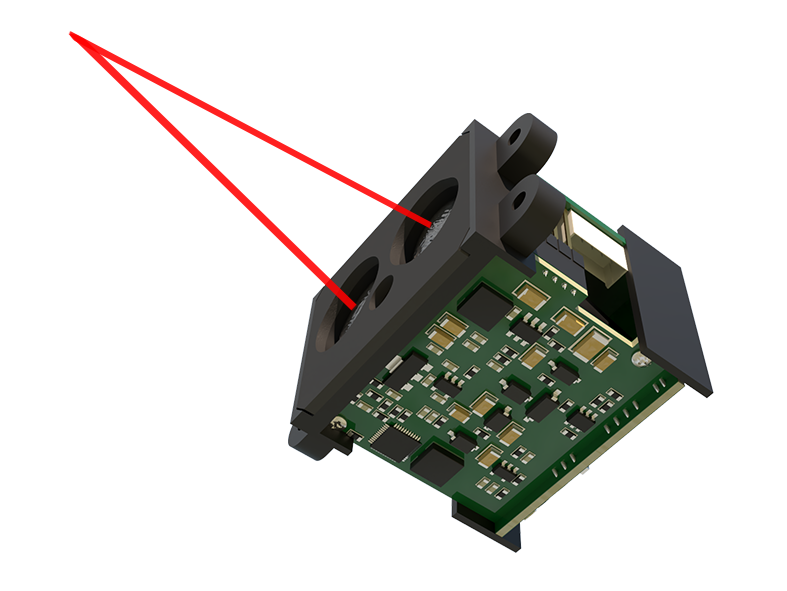
From an end-user perspective, the automotive industry is a leading revenue generator. Laser sensors are integral to robotic welding, paint inspection, assembly verification, and in-vehicle systems. The electronics and semiconductor industry is another high-growth segment, where sensors are used for wafer inspection, component placement, and PCB testing, requiring micron-level accuracy. Emerging applications in logistics (for warehouse automation and parcel dimensioning) and healthcare (for surgical devices and diagnostic equipment) are creating new, lucrative revenue channels.
However, the market faces challenges that could impact revenue growth. The high initial cost of advanced laser sensor systems can be a barrier for small and medium-sized enterprises. Furthermore, technical complexities related to integration with existing machinery and sensitivity to environmental factors like ambient light or dust require specialized knowledge, potentially slowing adoption. Intense competition among key players also pressures pricing and margins.
Looking ahead, the revenue trajectory for the laser sensor market remains strongly positive. Technological advancements are a key growth lever. The development of more compact, energy-efficient, and cost-effective sensors will open new applications. The integration of Artificial Intelligence and IoT capabilities is creating "smart sensors" that offer predictive analytics and deeper insights, adding value and justifying premium pricing. The expansion of collaborative robots (cobots), which rely heavily on precise and safe sensing, is another promising revenue frontier.
In conclusion, the laser sensor market is on a sustained growth path, with revenue expected to climb steadily. The convergence of industrial automation, technological innovation, and expanding application areas solidifies its position as a critical component of modern industrial ecosystems. Companies that focus on R&D to enhance performance while managing costs, and those that develop tailored solutions for high-growth verticals like electric vehicles and smart logistics, are best positioned to capture a larger share of this expanding revenue pool. Strategic partnerships with automation solution providers will also be crucial for market penetration and revenue maximization in the coming decade.