Proximity sensors have become indispensable components in modern industrial automation and consumer electronics, offering non-contact detection of objects within a defined range. These devices operate on various principles, including inductive, capacitive, ultrasonic, and optical technologies, each suited to specific environmental conditions and materials. Their ability to function without physical contact reduces wear and tear, enhances reliability, and enables high-speed operations in demanding settings.
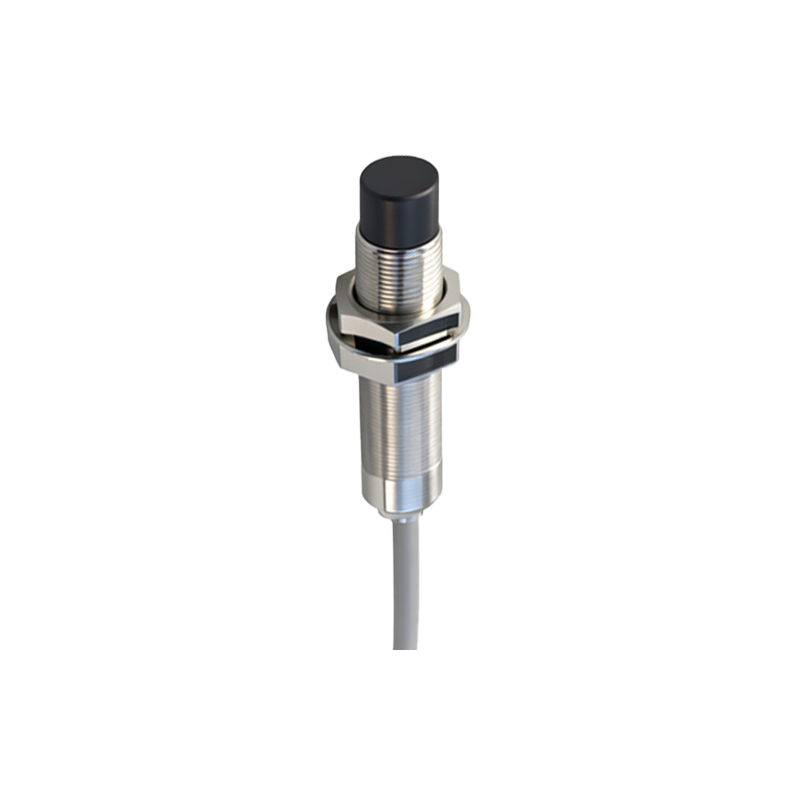
In manufacturing and assembly lines, inductive proximity sensors are extensively used for metal object detection. They monitor the position of machine parts, count products on conveyor belts, and ensure proper alignment in robotic arms. For instance, in automotive production, sensors verify the presence of engine components or control robotic welding paths, improving precision and safety. Capacitive sensors, capable of detecting non-metallic materials like plastics, wood, or liquids, are vital in packaging industries to monitor material levels or detect filled containers.
The logistics and warehousing sector relies on ultrasonic and optical sensors for distance measurement and object avoidance. Automated guided vehicles (AGVs) use these sensors to navigate warehouses safely, while inventory management systems employ them to track stock levels on shelves. In hazardous environments, such as chemical plants, explosion-proof proximity sensors detect equipment proximity without spark risks, ensuring compliance with safety standards.
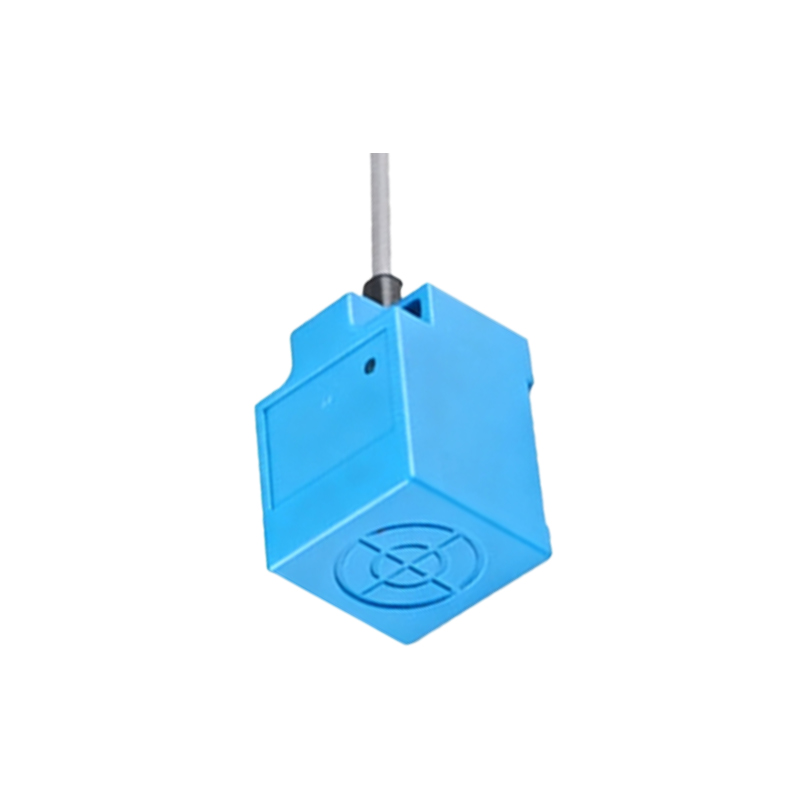
Consumer electronics also benefit from proximity sensing. Smartphones incorporate infrared sensors to deactivate touchscreens during calls, preventing accidental inputs. Home appliances like automatic faucets and soap dispensers use capacitive sensors for touchless operation, promoting hygiene. Additionally, automotive systems integrate sensors for parking assistance, blind-spot monitoring, and adaptive lighting, enhancing driver convenience and road safety.
In aerospace and defense, high-precision sensors assist in landing gear deployment, drone navigation, and aircraft maintenance checks. They provide critical data for collision avoidance systems in aviation, where reliability is paramount. The energy sector utilizes these sensors in wind turbines to monitor blade position or in oil rigs to detect equipment malfunctions, reducing downtime and maintenance costs.
Emerging trends include the integration of IoT-enabled proximity sensors for predictive maintenance. By analyzing sensor data, industries can anticipate failures and schedule repairs proactively. Miniaturized sensors are also enabling advancements in medical devices, such as surgical robots that require precise spatial awareness. As industries evolve toward smarter automation, proximity sensors will continue to play a pivotal role in enhancing efficiency, safety, and innovation across diverse applications.