Inductive proximity sensors are non-contact electronic devices designed to detect the presence or absence of metallic objects without physical contact. Operating on the principle of electromagnetic induction, these sensors generate an oscillating electromagnetic field from a coil wound around a ferrite core. When a conductive metal target enters this field, eddy currents are induced on the target's surface, causing a change in the oscillation amplitude or frequency within the sensor's circuit. This alteration is detected by the sensor's internal circuitry, which subsequently triggers a solid-state output signal—typically as a switching action—to indicate object detection.
The core functionality of inductive proximity sensors lies in their ability to perform precise detection tasks in challenging industrial environments. Key operational characteristics include their insensitivity to non-metallic materials such as plastics, wood, or liquids, ensuring reliable operation exclusively for metallic targets. Standard sensing ranges vary, often up to several tens of millimeters, depending on the sensor's size and the target material's properties. Notably, the sensing distance is influenced by the target's material; ferrous metals like iron or steel generally allow longer detection ranges compared to non-ferrous metals such as aluminum or copper, due to differences in conductivity and permeability.
A significant advantage of inductive sensors is their robustness. Encased in durable housings made of materials like nickel-plated brass, stainless steel, or PBT plastic, they are resistant to dust, moisture, vibrations, and mechanical impacts. Many models comply with IP67 or IP69K ingress protection ratings, making them suitable for harsh conditions, including washdown areas in food processing or outdoor applications. Furthermore, they exhibit high switching frequencies—often up to several thousand Hertz—enabling rapid detection in high-speed automation processes like packaging, sorting, or assembly lines.
In industrial applications, these sensors serve multiple critical functions. Primarily, they are employed for position sensing, verifying the presence of machine parts, such as confirming whether a metal workpiece is correctly placed on a fixture. They also facilitate counting tasks, for instance, tallying metal components on a conveyor belt. Additionally, inductive sensors are integral to end-position detection in cylinders or actuators, ensuring safe and precise movement in pneumatic or hydraulic systems. In automated manufacturing, they contribute to quality control by identifying missing metal components, like screws or inserts, before further processing.
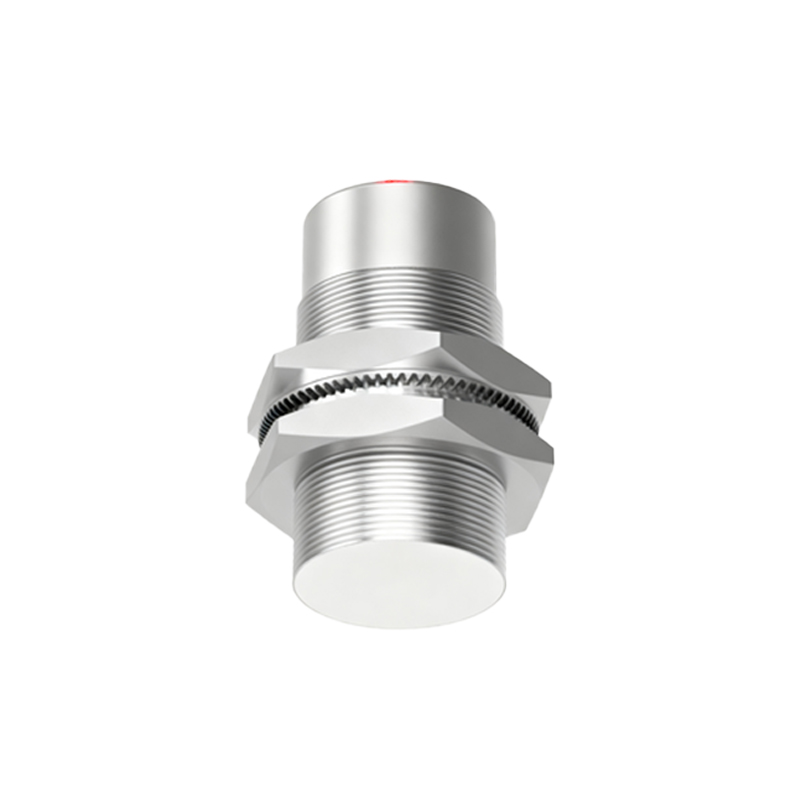
Output configurations are versatile, including NPN (sinking) or PNP (sourcing) transistor outputs, which interface seamlessly with programmable logic controllers (PLCs), relays, or other control systems. Some advanced models feature analog outputs (e.g., 4-20 mA or 0-10 V) that provide continuous distance measurement, useful for monitoring applications such as wear detection on machinery.
When selecting an inductive proximity sensor, engineers must consider factors like the required sensing distance, target material and size, environmental conditions (temperature, exposure to chemicals), electrical specifications (operating voltage, output type), and mounting constraints. Proper installation is crucial; sensors should be positioned to avoid interference from adjacent metal objects or other sensors, which could cause false triggering. Regular maintenance, though minimal, involves checking for physical damage or buildup of metallic debris that might affect performance.
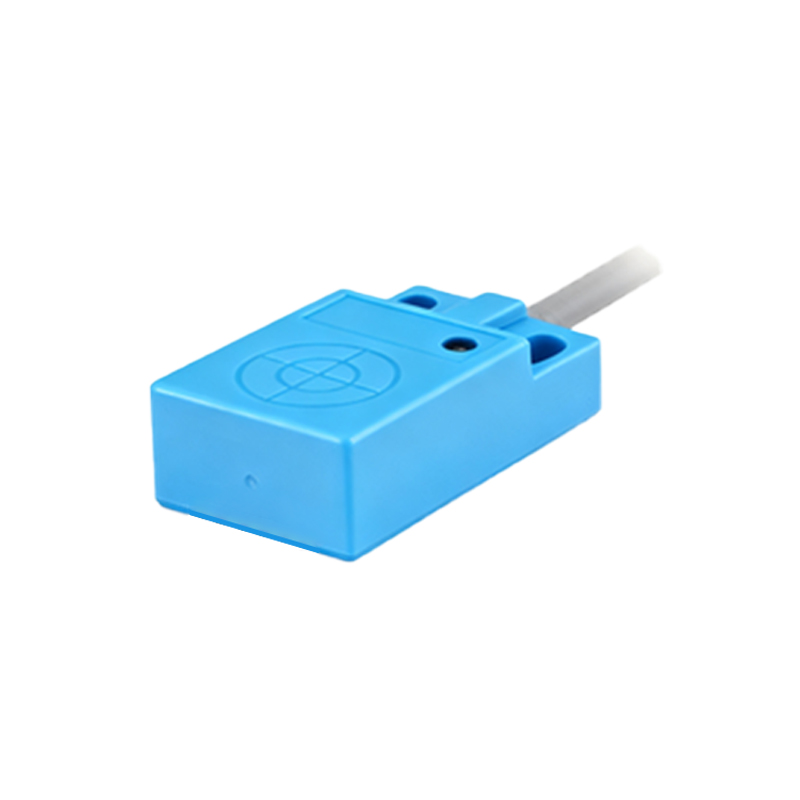
In summary, inductive proximity sensors are indispensable in modern industrial automation, offering reliable, maintenance-free detection of metallic objects. Their durability, speed, and accuracy enhance operational efficiency, safety, and productivity across diverse sectors, from automotive and robotics to material handling and metalworking. As technology advances, innovations such as miniaturized designs, enhanced immunity to electromagnetic interference, and integration with Industrial Internet of Things (IIoT) platforms continue to expand their capabilities, solidifying their role in smart manufacturing ecosystems.