In the globalized landscape of industrial automation and electrical engineering, precise terminology is paramount. For professionals working with Japanese technology, suppliers, or documentation, knowing the correct Japanese term for common components like proximity sensors is essential. This guide provides the accurate translation, its contextual usage, and relevant technical insights tailored for engineers and procurement specialists.
The direct and most common translation for "proximity sensor" in Japanese is 近接センサ (Kinseki Sensa). Breaking down the term:
近接 (Kinseki): This compound word means "proximity" or "close approach." 近 (kin/chikai) means "near," and 接 (setsu/sessuru) means "contact" or "connect."
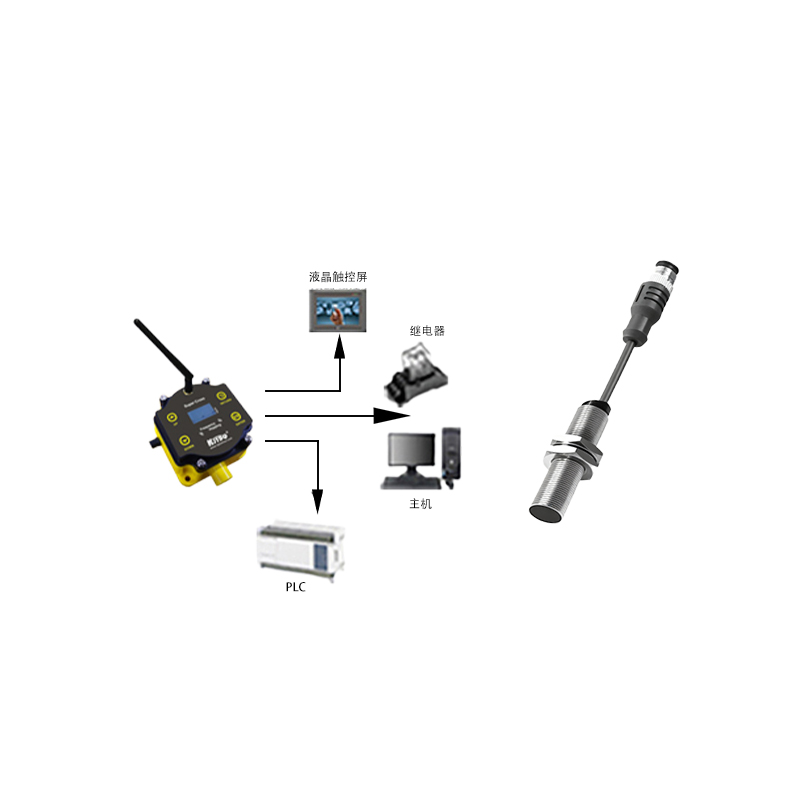
センサ (Sensa): This is the transliteration of the English word "sensor."
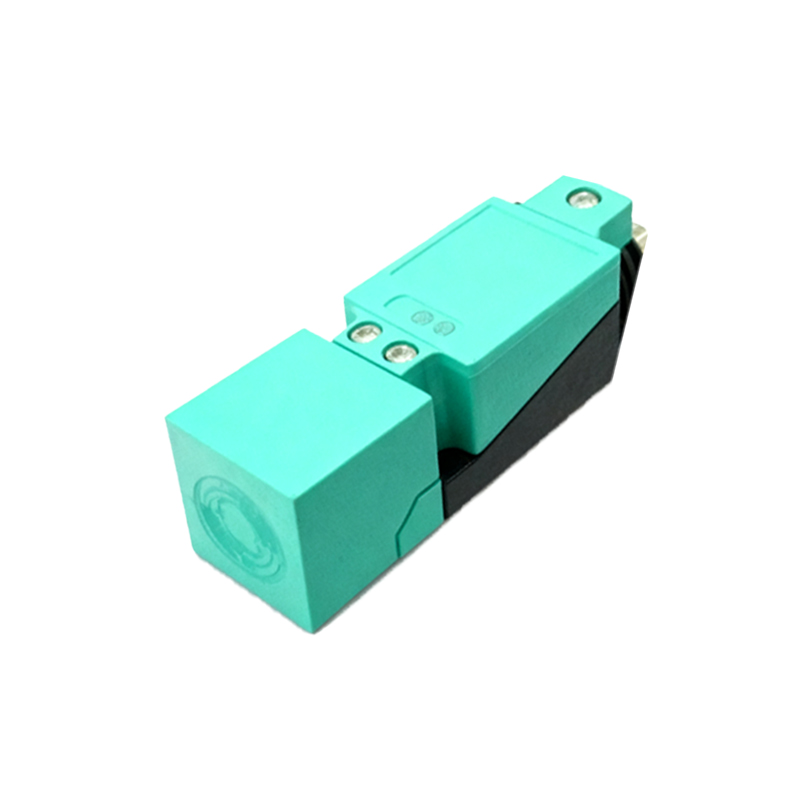
Therefore, 近接センサ (Kinseki Sensa) is the unambiguous technical term used in datasheets, catalogs, technical manuals, and everyday communication within Japanese industrial settings.
Contextual Usage and Variations
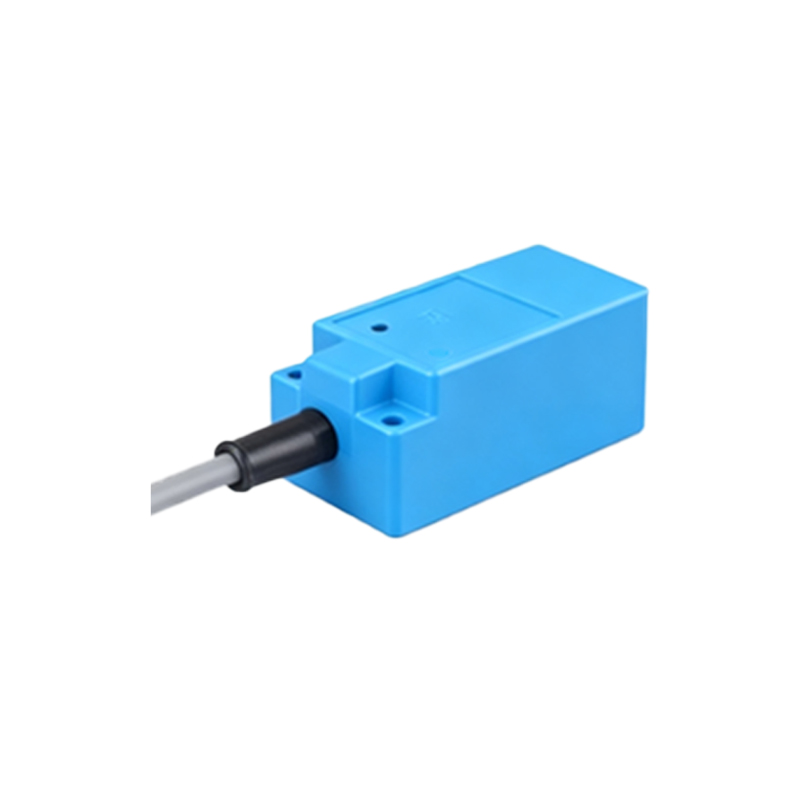
While 近接センサ is standard, understanding slight variations can be helpful:
1. Abbreviation: In informal communication or on panel diagrams, it may be abbreviated as 近センス (Kin Sensu).
2. Specific Types: When specifying the type of proximity sensor, the term is typically prefixed or modified:
Inductive Proximity Sensor: 誘導近接センサ (Yūdō Kinseki Sensa) or more commonly インダクティブ近接センサ (Indakutibu Kinseki Sensa). These detect metallic objects.
Capacitive Proximity Sensor: 容量近接センサ (Yōryō Kinseki Sensa) or キャパシティブ近接センサ (Kyapashitibu Kinseki Sensa). These detect both metallic and non-metallic objects.
Magnetic Proximity Sensor (Reed Switch): 磁気近接センサ (Jiki Kinseki Sensa) or often simply リードスイッチ (Rīdo Suitchi).
3. In Procurement and Specifications: When searching for or specifying a sensor, you will encounter key parameters in Japanese:
Sensing Distance: 検出距離 (Kenshutsu Kyori)
Output Type: 出力形式 (Shutsuryoku Keishiki) – e.g., NPN/PNP, 直流2線式 (Chokuryū 2-senshiki - 2-wire DC)
Shielded/Unshielded: 遮蔽形 (Shāheigata) / 非遮蔽形 (Hi-shāheigata)
Why the Correct Terminology Matters
Using the precise term 近接センサ facilitates several critical professional activities:
Accurate Technical Communication: Ensures clear understanding with Japanese colleagues, clients, or support engineers, minimizing errors in system design or troubleshooting.
Efficient Procurement and Sourcing: Enables effective searching of Japanese manufacturer catalogs (e.g., Keyence キーエンス, Omron オムロン, Panasonic パナソニック) and online marketplaces. Misspelling or using an incorrect term can lead to failed searches or ordering the wrong component.
Understanding Documentation: Technical manuals, wiring diagrams, and PLC programs from Japanese equipment will consistently use this terminology. Knowledge of the term and its associated parameter vocabulary (like 検出距離) is crucial for installation, calibration, and maintenance.
Professional Credibility: Demonstrates attention to detail and respect for the technical language of your partners or the equipment you are working with.
Practical Example in a Sentence
English: "Please replace the inductive proximity sensor on Station 3."
Japanese: "ステーション3のインダクティブ近接センサを交換してください。 (Sutēshon 3 no Indakutibu Kinseki Sensa o kōkan shite kudasai.)"
Conclusion
For engineers and technical professionals in the electrical and automation fields, mastering key terminology like 近接センサ (Kinseki Sensa) for "proximity sensor" is a small but significant step toward seamless international collaboration and operational efficiency. It bridges the language gap in technical contexts, ensuring precision in specification, procurement, and maintenance when dealing with Japanese industrial technology. Always remember to pair the core term with specific descriptors (inductive, capacitive) and parameter keywords for the most effective communication.