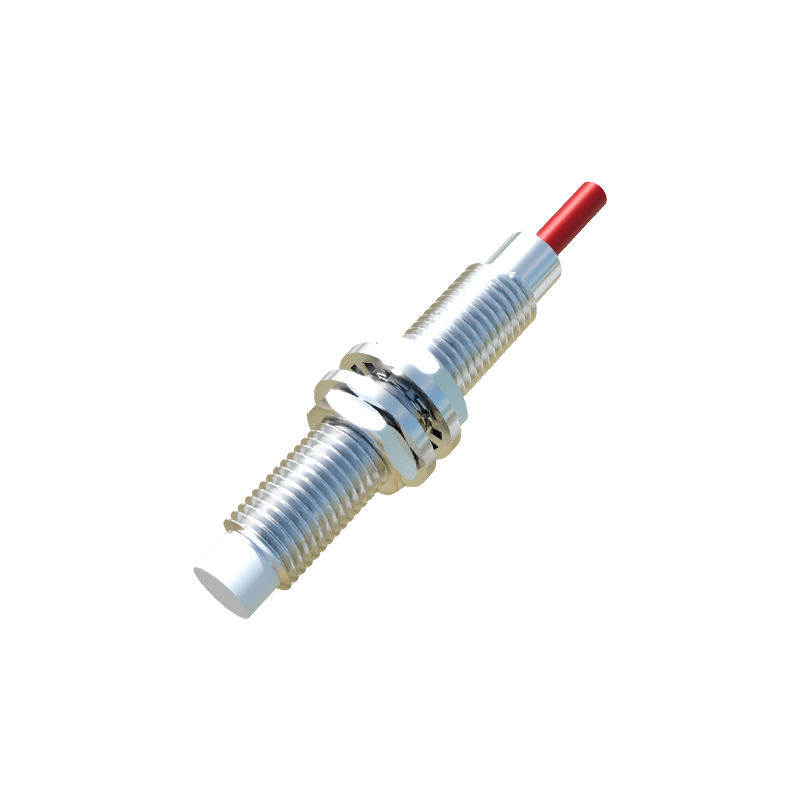
In industrial automation and motion control systems, accurately measuring linear speed is crucial for process optimization, quality assurance, and equipment safety. Proximity switch sensors, known for their non-contact detection capabilities, offer a reliable and efficient solution for this task. Unlike traditional mechanical methods, proximity sensors eliminate physical wear, reduce maintenance needs, and provide high precision in diverse environmental conditions. This article explores the principles, implementation, and best practices for using proximity switch sensors to measure linear speed.
Proximity switch sensors operate based on electromagnetic, capacitive, or inductive principles to detect the presence of objects without direct contact. For linear speed measurement, inductive proximity sensors are commonly employed due to their robustness in metallic environments. The sensor generates an electromagnetic field; when a metallic target, such as a gear tooth or a marked section on a conveyor belt, passes through this field, it causes a change in the sensor's oscillation. This change triggers an output signal, typically a digital pulse. By calculating the frequency of these pulses relative to the distance between targets, linear speed can be determined. The fundamental formula is:
Linear Speed (v) = Distance between Targets (d) × Pulse Frequency (f).
For instance, if a rotating shaft has evenly spaced teeth and the sensor detects each tooth passage, the distance corresponds to the circumferential spacing, and speed is derived from rotational data converted to linear terms.
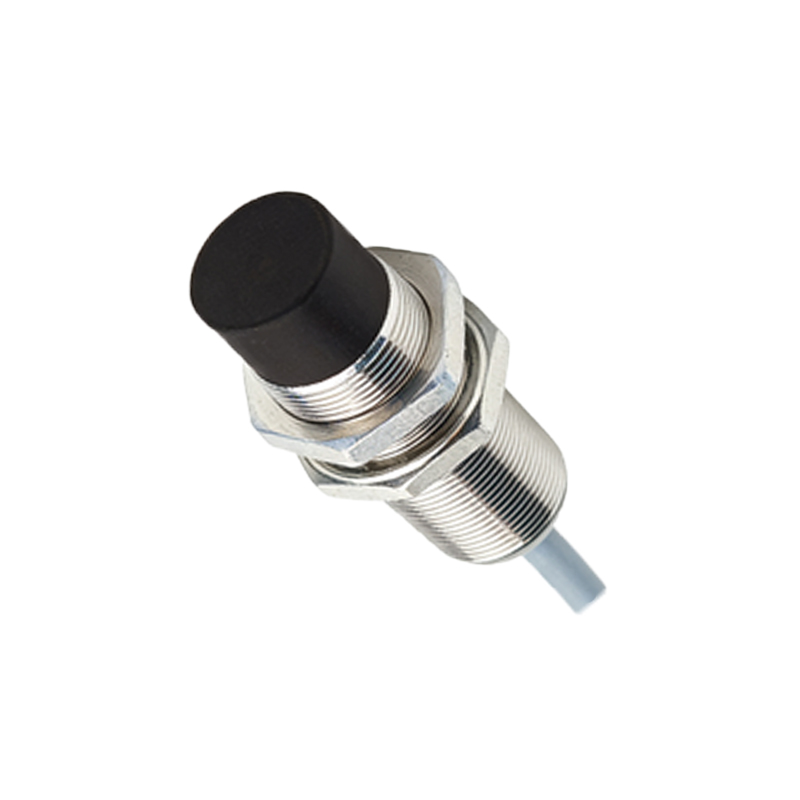
Implementing this system requires careful selection and configuration of components. First, choose a sensor with an appropriate sensing range, response time, and environmental rating (e.g., IP67 for dust and moisture resistance). The target material and size must be compatible; inductive sensors work best with ferrous metals, while capacitive sensors can handle non-metallics. Mounting the sensor securely is essential to avoid vibrations that could affect readings. Typically, sensors are positioned perpendicular to the target's motion path at a distance within their specified range. For continuous speed monitoring, multiple sensors may be used in tandem to enhance accuracy or provide redundancy.
Signal processing plays a vital role in converting raw pulses into usable speed data. Proximity sensors often interface with programmable logic controllers (PLCs), frequency counters, or dedicated speed monitoring devices. In a PLC, ladder logic or function blocks can be programmed to count pulses over a set time interval. For example, if a sensor generates 100 pulses per second and the distance between targets is 0.01 meters, the linear speed is 1 m/s (100 Hz × 0.01 m). Advanced systems incorporate filtering algorithms to eliminate noise from electrical interference or mechanical vibrations, ensuring stable measurements. Additionally, calibration against a known reference, such as a tachometer, helps validate accuracy during initial setup.
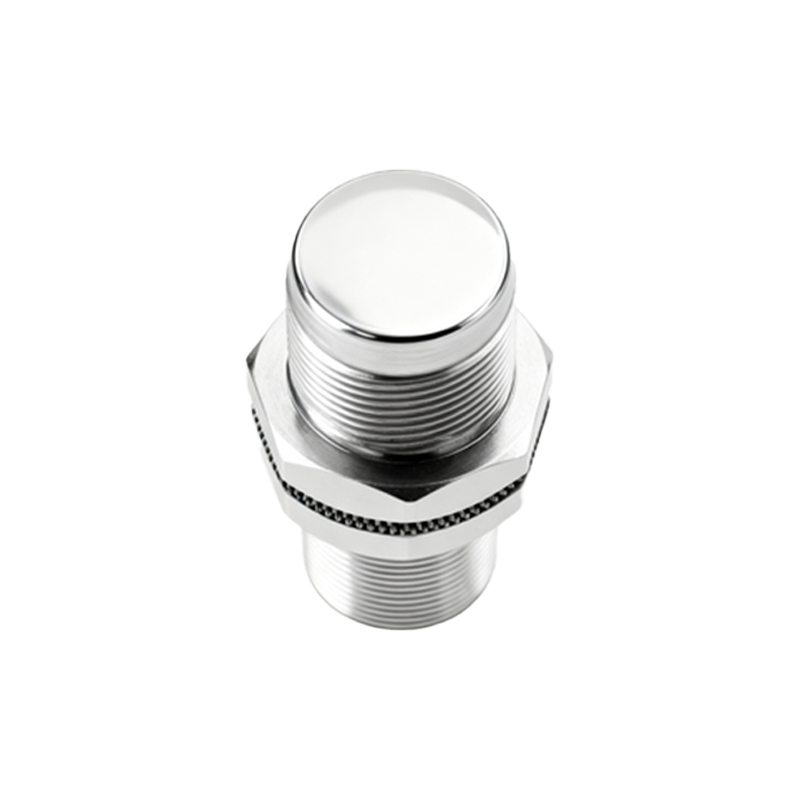
Practical applications of proximity switch sensors for linear speed measurement are widespread across industries. In conveyor systems, sensors monitor belt speed to regulate material flow and prevent jams. In automotive assembly lines, they measure the velocity of components on robotic arms, synchronizing operations for precision welding or painting. Packaging machinery uses these sensors to control the speed of film wrapping, ensuring consistent product sealing. Moreover, in heavy industries like steel manufacturing, sensors track the linear speed of rolled metal sheets, enabling real-time adjustments to maintain thickness tolerances. The non-contact nature of proximity sensors makes them ideal for harsh environments where dirt, grease, or high temperatures would degrade mechanical sensors.
To maximize performance, adhere to best practices in installation and maintenance. Ensure the sensor and target are aligned correctly, as misalignment can cause missed detections or erratic signals. Regularly clean the sensor face to prevent buildup of contaminants that might attenuate the sensing field. Check wiring connections for integrity, as loose cables can introduce signal drops. For dynamic applications with varying speeds, use sensors with high switching frequencies (e.g., up to 5 kHz) to capture rapid changes without lag. It's also advisable to implement diagnostic features, such as monitoring sensor health via PLC alerts, to preempt failures and reduce downtime.
In summary, proximity switch sensors provide a versatile and accurate method for measuring linear speed in industrial settings. By leveraging non-contact technology, they offer durability, precision, and ease of integration into automated systems. Understanding the underlying principles, coupled with proper selection and implementation, allows engineers to optimize processes, enhance safety, and improve overall operational efficiency. As industries evolve toward smarter automation, the role of proximity sensors in speed measurement will continue to expand, driven by advancements in sensor technology and data analytics.