In the world of industrial automation, robotics, and smart devices, the ability to detect the presence or absence of an object without physical contact is fundamental. Among the various technologies enabling this capability, the 11U proximity sensor stands out for its reliability, versatility, and widespread adoption. This guide delves into the core principles, types, and practical applications of this essential component.
At its heart, a proximity sensor is a device that detects the presence of a nearby object. The "11U" designation typically refers to a specific housing style, size, or form factor standardized by industry norms, often associated with cylindrical, threaded metal bodies. These sensors operate on the principle of generating an electromagnetic field or a beam of radiation (like infrared light) and then looking for changes in the field or return signal. The key advantage is non-contact detection, which eliminates mechanical wear and tear, allows for high-speed operation, and enables use in harsh environments where physical contact is undesirable.
There are several primary types of 11U proximity sensors, categorized by their underlying technology. The most common is the inductive proximity sensor. This type generates an oscillating electromagnetic field from its face. When a metallic object enters this field, it induces eddy currents within the metal, causing a change in the oscillation amplitude. The sensor's internal circuit detects this change and triggers a switch. Inductive sensors are exceptionally robust, ideal for detecting metals like steel, aluminum, and copper in industrial settings, and are largely immune to environmental factors like dust, oil, and moisture.
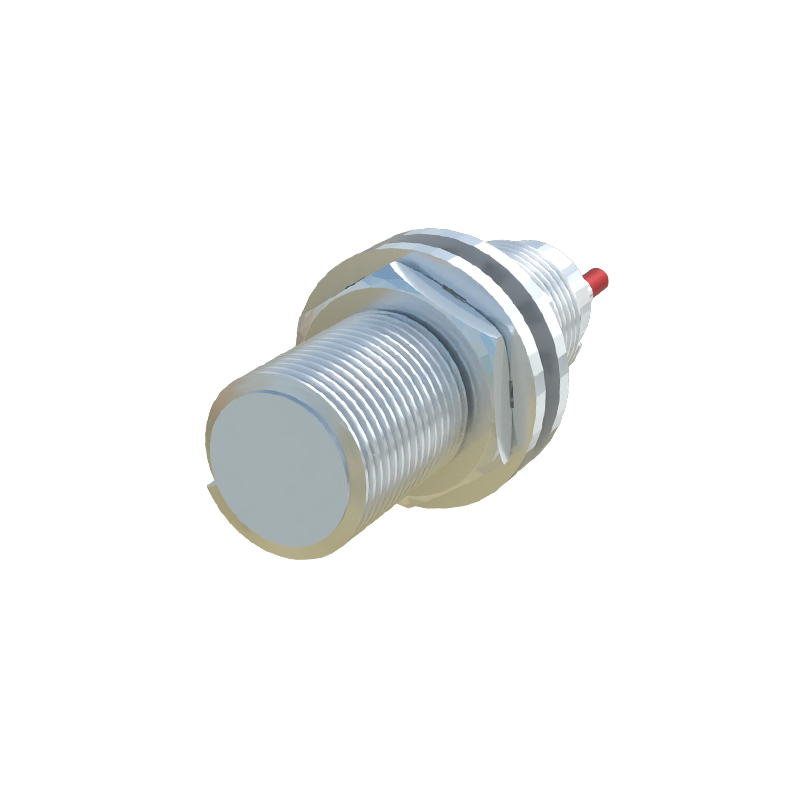
Another prevalent type is the capacitive proximity sensor. These sensors can detect both metallic and non-metallic objects—liquids, plastics, wood, or granules—by sensing changes in capacitance. The sensor face acts as one plate of a capacitor, with the target object acting as the other. As an object approaches, it alters the dielectric constant of the space between, changing the capacitance and triggering the output. This makes capacitive 11U sensors perfect for level detection in tanks, material handling, and detecting non-metal products on conveyor lines.
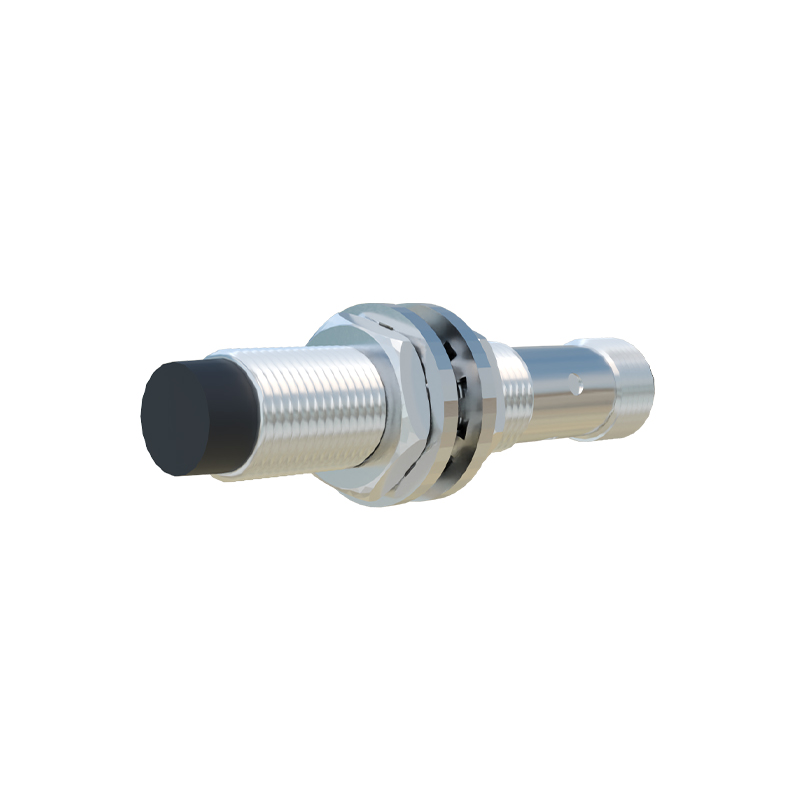
For longer-range detection or for sensing non-metallic objects where capacitive sensing is not suitable, photoelectric sensors in an 11U housing are used. These employ a light emitter (usually LED) and a receiver. They can be configured in through-beam, retro-reflective, or diffuse (proximity) modes. In the diffuse mode, the sensor detects light reflected directly from the target object. While not always labeled strictly "11U," photoelectric sensors often come in similar cylindrical packages for standardized mounting.
The output of an 11U proximity sensor is typically a switched signal. Two-wire AC/DC, three-wire DC (PNP or NPN sourcing/sinking), and four-wire versions are available, allowing seamless integration with Programmable Logic Controllers (PLCs), relays, and other control systems. Key specifications to consider include sensing distance (nominal and effective), repeat accuracy, response frequency, housing material (often nickel-plated brass or stainless steel), and environmental protection ratings like IP67, which denotes complete protection against dust and immersion in water up to 1 meter.
The applications for 11U proximity sensors are vast and cross-industrial. In manufacturing, they are used for part positioning, counting, and end-of-travel detection on machine tools and assembly lines. In automotive plants, thousands of these sensors control robotic welding arms and verify part presence. In packaging machinery, they ensure correct bottle or box placement. Beyond heavy industry, they find use in elevator door control, vending machines, and even in consumer appliances for safety interlocks.
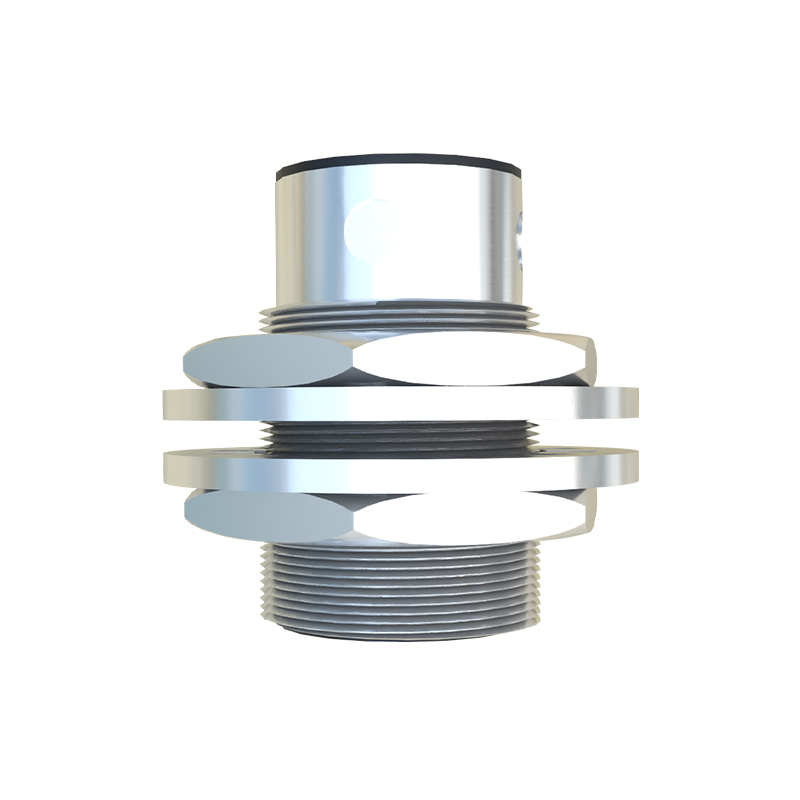
Selecting the right 11U sensor requires careful analysis of the target material, required sensing distance, environmental conditions (temperature, chemicals), electrical requirements, and mounting constraints. Proper installation is also crucial; metallic surroundings can affect the sensing field of inductive sensors, and contaminants on the face of capacitive or photoelectric sensors can impair function.
In conclusion, the 11U proximity sensor is a workhorse of modern automation. Its standardized design, coupled with multiple sensing technologies, provides engineers with a flexible and dependable solution for countless detection tasks. From ensuring the smooth flow of production to guaranteeing operational safety, these unassuming devices play a critical, silent role in the background of our technologically driven world. Understanding their principles and capabilities is the first step toward leveraging their full potential in any automated system.