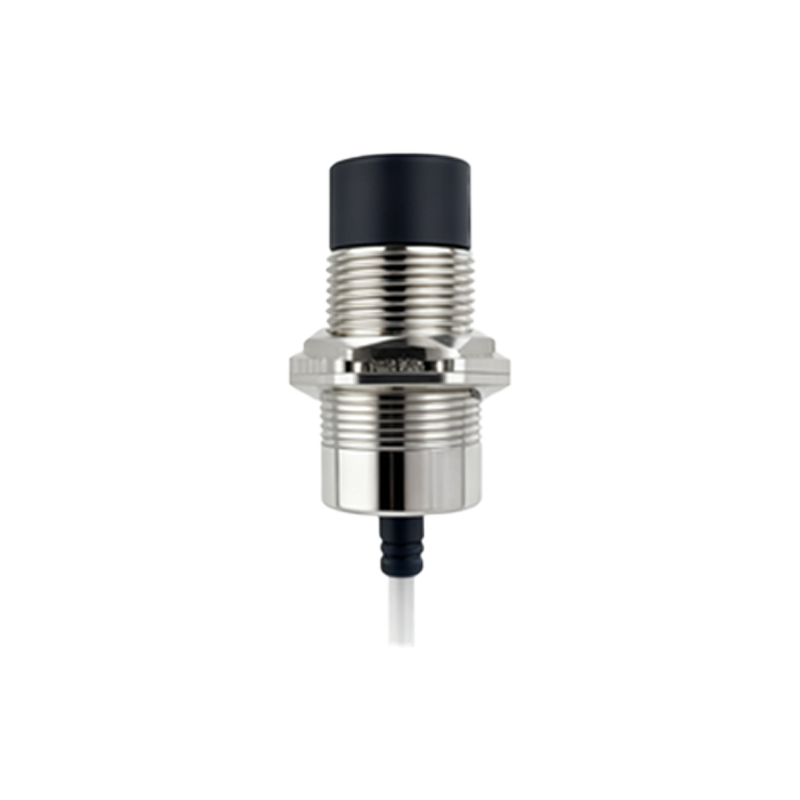
Proximity sensors are indispensable components in modern automation, manufacturing, and consumer electronics. Their ability to detect the presence or absence of an object without physical contact makes them reliable and durable. However, like all electronic components, they have a finite operational lifespan. Understanding the factors that influence proximity sensor longevity and implementing proper maintenance practices are crucial for ensuring system reliability and minimizing downtime.
The lifespan of a proximity sensor is not defined by a single universal number of hours. It is a complex interplay of its inherent design, the operating environment, and the application's specific demands. Manufacturers typically provide a theoretical service life, often expressed in millions of switching cycles or a mean time between failures (MTBF) figure. These are valuable benchmarks, but real-world performance can vary significantly.
Several key factors directly impact how long a proximity sensor will perform reliably. The first is environmental stress. Extreme temperatures are a primary adversary. Excessive heat can degrade internal electronic components, solder joints, and semiconductor materials, while extreme cold can make plastics brittle and affect sensing characteristics. Contaminants such as dust, metal shavings, oil, coolant, and chemical vapors can accumulate on the sensing face, attenuating the sensing field or causing corrosion. Physical shock and vibration, common in heavy machinery, can loosen internal connections, crack components, or misalign the sensor.
The second major factor is electrical stress. Operating a sensor at or beyond its rated voltage and current specifications generates excess heat and stresses internal circuits. Inrush currents from inductive loads, like solenoids or contactors, can cause contact welding or degradation in the sensor's output stage. Electrical noise from variable frequency drives (VFDs), welding equipment, or large motors can induce false triggering or damage sensitive circuitry if not properly shielded or filtered.
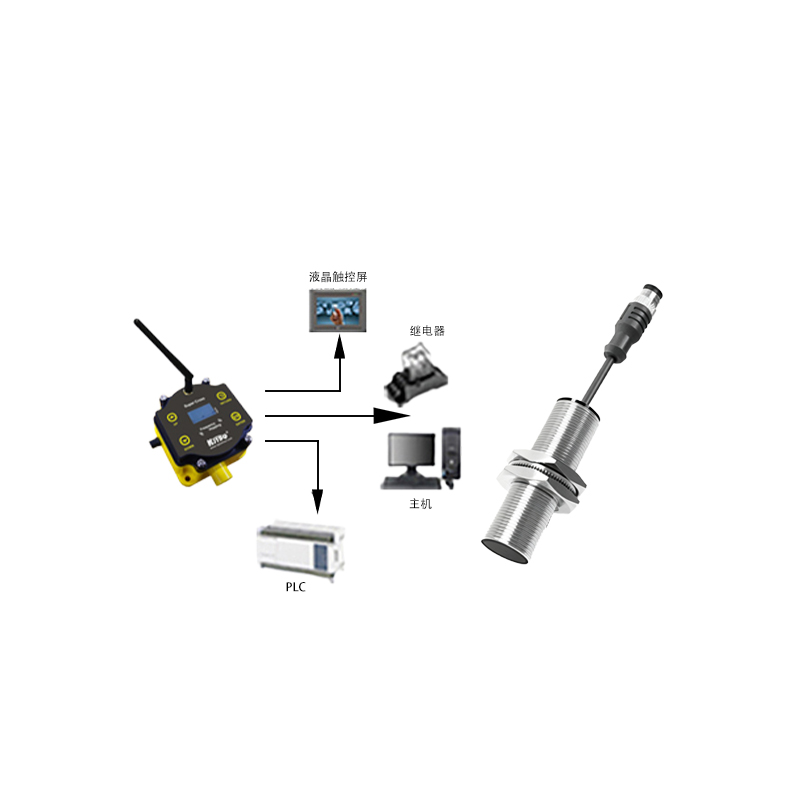
The third factor is the application's operational profile. The switching frequency—how often the sensor is activated per second—directly relates to wear on the output switching element. A sensor cycled millions of times daily will experience more stress than one used intermittently. The type of target material and the sensing distance also play roles. For inductive sensors, different metals have different damping effects. Consistently sensing at the very edge of the nominal range forces the sensor to operate at its sensitivity limit, which can be more stressful than a confident detection well within its range.
Maximizing the lifespan of your proximity sensors involves a proactive approach centered on selection, installation, and care. The most critical step is choosing the right sensor for the job from the outset. Select a sensor with an appropriate environmental rating (IP or NEMA) for its location. For harsh environments, consider sensors with stainless steel housings, PTFE sensing faces resistant to chemicals, or higher temperature ratings. Ensure the electrical specifications, including voltage range, current capacity, and short-circuit protection, comfortably exceed the application's requirements.
Proper installation is equally important. Mount the sensor securely to minimize vibration. Maintain the recommended sensing distance, typically 70-80% of the nominal range, to ensure a strong, clean signal. Use shielded cables in electrically noisy environments and ground them correctly at the controller, not at the sensor. Install surge suppressors or flyback diodes on inductive loads to protect the sensor's output transistor from voltage spikes.
Routine maintenance is the final pillar of longevity. Establish a schedule for visual inspection. Check for physical damage, corrosion, or buildup of contaminants on the sensing face. Clean the face gently with a soft cloth and an appropriate solvent if needed, avoiding abrasives. Periodically verify the sensor's performance by checking its output signal with a multimeter or PLC input indicator while triggering it with its target. Logging operational data can help identify sensors that are beginning to drift in performance before they cause a failure.
Recognizing the signs of impending failure can prevent catastrophic system stops. Common symptoms include a reduced sensing range, where the target must be brought closer to activate the sensor; intermittent operation or flickering output; failure to detect a valid target; or a sensor that remains constantly on or off. When a sensor consistently exhibits these behaviors despite cleaning and electrical checks, replacement is usually the most cost-effective solution to avoid production losses.
In conclusion, the lifespan of a proximity sensor is a variable that can be significantly influenced by informed engineering choices and diligent upkeep. By understanding the stressors of environment, electricity, and operation, and by countering them with correct selection, robust installation, and preventive maintenance, engineers and technicians can ensure these critical components deliver their full potential lifespan, safeguarding productivity and operational efficiency.