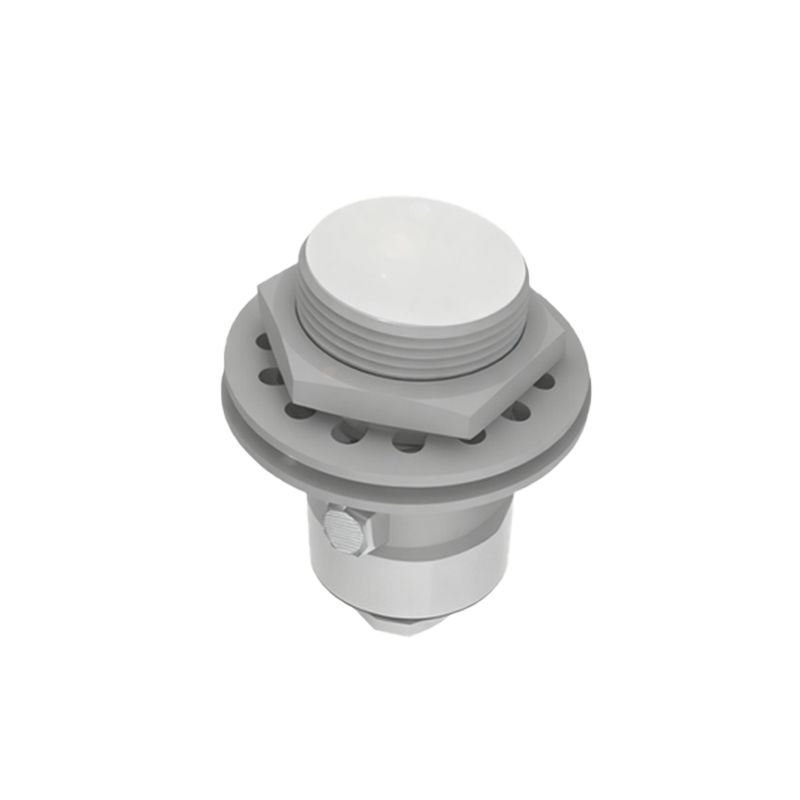
In industrial automation, manufacturing, and harsh environment applications, the reliability and accuracy of sensing technology are paramount. Among the critical components, high-temperature proximity sensors stand out for their ability to perform in extreme thermal conditions where standard sensors would fail. These specialized devices are designed to detect the presence or absence of objects without physical contact, operating reliably in environments with ambient temperatures often exceeding 100°C, and in some models, capable of withstanding temperatures up to 200°C or more. Common applications include foundries, metal processing, glass manufacturing, automotive engine testing, and near industrial ovens or furnaces.
When sourcing high-temperature proximity sensors, several technical specifications must be carefully evaluated. First is the operating temperature range, which should comfortably exceed your application's maximum ambient temperature. Sensor housing material is equally critical; stainless steel (particularly grades like 316L) and specialized ceramics are prevalent for their durability and thermal resistance. The sensing technology itself—inductive, capacitive, or magnetic—must be chosen based on the target material. Inductive sensors, for instance, are ideal for detecting metals in high-heat zones. Other vital parameters include sensing distance, output type (PNP/NPN, analog, IO-Link), protection rating (IP67/IP69K for washdown or dusty environments), and electrical connection style (pre-wired cables or connectors like M12/M8).
For procurement, engineers and procurement specialists have several reliable channels. Direct purchase from established global manufacturers is often the preferred route for large-scale or critical applications. Leading brands in this niche include Turck, Pepperl+Fuchs, Sick, Balluff, and ifm electronic. These companies offer extensive product catalogs, detailed datasheets, and robust technical support. Purchasing directly ensures authenticity, access to full product lines (including intrinsically safe versions for hazardous areas), and direct manufacturer warranties.
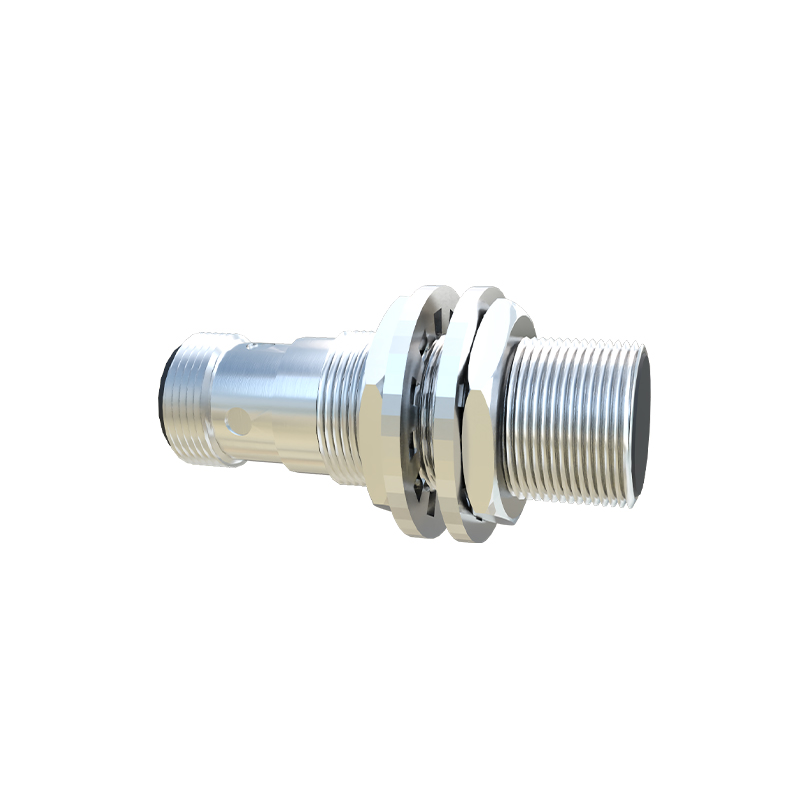
Authorized industrial distributors and wholesalers form another primary channel. Major global distributors like Digi-Key Electronics, RS Components, Allied Electronics & Automation, and Mouser Electronics stock a wide range of sensors from multiple brands. They offer the advantages of fast shipping, consolidated ordering for various components, and often competitive pricing for smaller quantities. Local or regional industrial automation suppliers can provide valuable localized support and faster service.
For specific, off-the-shelf needs, online B2B marketplaces and specialized e-commerce platforms have grown significantly. Platforms like Amazon Business and Alibaba.com list numerous suppliers. However, caution is advised: verify seller authenticity, check for authorized distributor status, and scrutinize product specifications meticulously to avoid counterfeit or sub-spec components. For custom requirements—such as unusual form factors, specific cable lengths, or unique mounting brackets—engaging directly with manufacturers or specialized custom sensor fabricators is necessary. This often involves a formal RFQ (Request for Quotation) process.
Before finalizing a purchase, it is highly recommended to request product samples for testing in the actual application environment. This validates performance claims regarding temperature tolerance, sensing stability, and longevity. Furthermore, always review the supplier's after-sales support, including return policies, lead times for replacement units, and the availability of technical documentation. Investing in high-temperature proximity sensors is an investment in process uptime and safety; therefore, prioritizing quality and reliability over initial cost savings typically yields a lower total cost of ownership. By meticulously selecting the right sensor and a reputable source, engineers can ensure robust and continuous operation in the most demanding thermal conditions.