High-frequency proximity sensors represent a critical advancement in industrial automation, offering non-contact detection capabilities that enhance precision, reliability, and efficiency across various sectors. These sensors operate by emitting high-frequency electromagnetic fields or ultrasonic waves, detecting changes when a target object enters their sensing range. Unlike mechanical switches or lower-frequency alternatives, high-frequency models excel in rapid response times—often in microseconds—and minimal interference from environmental factors like dust, moisture, or temperature fluctuations.
In manufacturing, high-frequency proximity sensors are indispensable for position detection, object counting, and speed monitoring. For instance, on assembly lines, they ensure components are correctly aligned before robotic arms engage, reducing errors and downtime. Their ability to detect metallic and non-metallic materials, including plastics and liquids, expands their utility in packaging, food processing, and pharmaceutical industries. In automotive production, these sensors verify part placement in engines or chassis, contributing to stringent quality control standards.
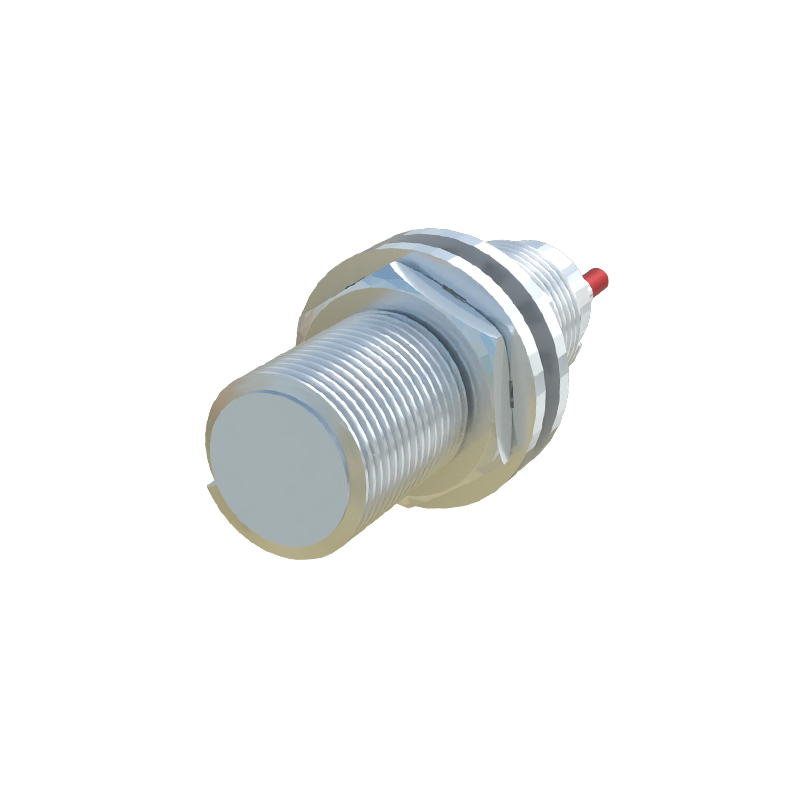
Another vital role lies in safety systems. High-frequency sensors integrate into machinery guards and automated doors, halting equipment if a worker approaches hazardous zones. This proactive prevention of accidents aligns with global safety regulations, such as ISO 13849. Moreover, in logistics and warehousing, sensors guide autonomous vehicles (AGVs) by detecting obstacles and optimizing navigation paths, boosting operational throughput.
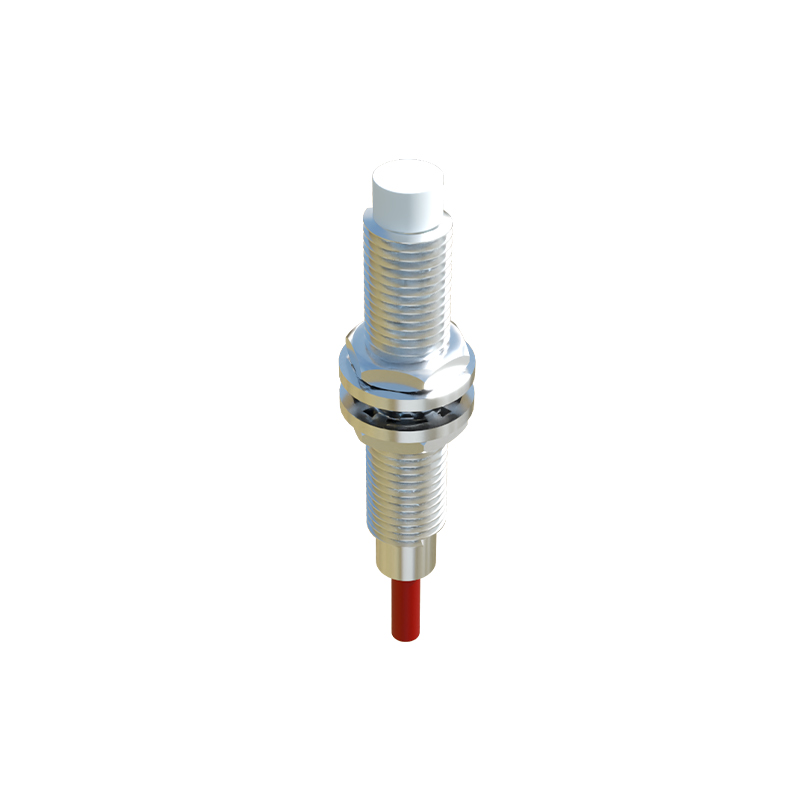
The technology behind these sensors involves oscillators, coils, and signal processors that generate frequencies typically ranging from 100 kHz to 1 MHz. This high frequency allows for smaller sensing ranges but greater accuracy, ideal for intricate tasks like PCB inspection or semiconductor fabrication. Engineers select sensors based on factors like sensing distance, material compatibility, and output types (e.g., NPN/PNP or analog signals). For example, inductive sensors target metals, while capacitive variants handle diverse materials, including granular substances in silos.
Energy efficiency is a notable advantage. High-frequency sensors consume minimal power, supporting sustainable practices in smart factories. They interface seamlessly with PLCs (Programmable Logic Controllers) and IoT networks, enabling real-time data collection for predictive maintenance. By monitoring vibration or wear in machinery, they alert teams to potential failures before costly breakdowns occur.
Despite their robustness, challenges like electromagnetic interference (EMI) from nearby equipment can affect performance. Shielding techniques and proper installation mitigate such issues. As Industry 4.0 evolves, innovations in high-frequency sensors focus on miniaturization, enhanced sensitivity, and AI integration for adaptive sensing. In summary, high-frequency proximity sensors are pivotal in driving automation, safety, and efficiency, forming the backbone of modern industrial ecosystems. Their continued refinement promises to unlock new applications in robotics, renewable energy, and beyond.