In the rapidly evolving landscape of industrial automation, proximity sensors have become indispensable components for enhancing efficiency, safety, and precision. The pricing of these sensors, particularly the latest models incorporating advanced technologies, is a critical factor influencing procurement decisions across various sectors. This article delves into the current market trends, cost determinants, and future outlook for new proximity sensors, providing a comprehensive analysis for engineers and industry stakeholders.
The advent of Industry 4.0 and the Internet of Things (IoT) has spurred significant innovation in proximity sensor technology. Modern sensors now offer enhanced features such as longer sensing ranges, higher immunity to environmental interference, improved accuracy, and seamless integration with digital networks. These advancements, however, come with associated costs that reflect the complexity of design, materials, and manufacturing processes. For instance, inductive, capacitive, and ultrasonic proximity sensors each have distinct price points based on their operational principles and application-specific requirements.
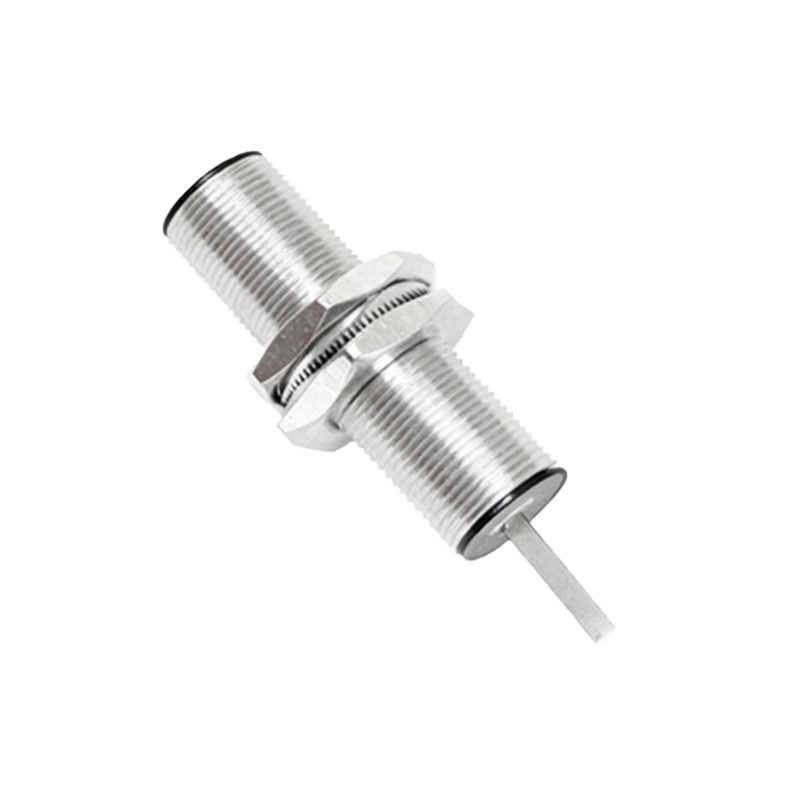
Several key factors drive the pricing of new proximity sensors. Firstly, the type of technology employed plays a pivotal role. Inductive sensors, commonly used for metal detection, are generally more affordable due to mature manufacturing techniques. In contrast, capacitive sensors, capable of detecting non-metallic objects, often command higher prices owing to their sophisticated circuitry. Ultrasonic and photoelectric sensors, with their ability to handle diverse materials and challenging environments, tend to be at the premium end of the spectrum.
Secondly, performance specifications significantly impact cost. Sensors with extended sensing distances, higher switching frequencies, or enhanced resistance to factors like temperature fluctuations, moisture, and dust typically incur additional expenses. For example, models rated for extreme industrial conditions (e.g., IP67 or higher protection) involve robust housing and sealing, contributing to a higher price tag.
Thirdly, integration capabilities are becoming a major cost driver. Modern proximity sensors with built-in IO-Link, Ethernet/IP, or PROFINET interfaces facilitate real-time data exchange and predictive maintenance, aligning with smart factory initiatives. These connectivity features add to the development and production costs but offer long-term value through improved operational insights and reduced downtime.
Market competition also influences pricing dynamics. Established manufacturers like Siemens, Omron, and Pepperl+Fuchs continuously innovate, often introducing cost-effective variants to capture broader market segments. Meanwhile, emerging players may offer competitive pricing to gain footholds, leading to a diverse price range. Regional factors, including supply chain logistics, tariffs, and local demand, further contribute to price variations globally.
Looking ahead, the pricing trend for new proximity sensors is expected to stabilize or gradually decrease as production scales and technologies mature. However, the integration of artificial intelligence for predictive analytics and the use of advanced materials like graphene could introduce new high-end models with premium pricing. For engineers, evaluating total cost of ownership—considering not just initial purchase price but also installation, maintenance, and energy efficiency—is crucial when selecting sensors.
In conclusion, while new proximity sensors represent a significant investment, their evolving capabilities justify the costs by driving operational excellence. By understanding the factors behind pricing, industry professionals can make informed decisions that balance performance, reliability, and budget, ultimately fostering smarter and more efficient automated systems.