In the realm of industrial automation and electrical control systems, proximity sensors stand as critical components for non-contact detection. Among these, the GS206 proximity switch sensor has established itself as a reliable and widely adopted solution. This article delves into the technical specifications, operational principles, application scenarios, and key considerations for integrating the GS206 into modern electrical systems.
The GS206 is typically an inductive proximity sensor. Its core function is to detect the presence or absence of metallic objects without any physical contact. This is achieved through an electromagnetic field generated by an oscillator circuit within the sensor's sensing face. When a ferrous or non-ferrous metal target enters this field, it induces eddy currents, causing a change in the oscillation amplitude. This change is detected by the sensor's circuitry, which subsequently triggers a solid-state switch (typically an NPN or PNP transistor output) to change state. This binary signal (ON/OFF) is then used by a Programmable Logic Controller (PLC), relay, or other control device to initiate actions such as counting, positioning, or safety interlocks.
Key technical characteristics of the GS206 series often include a standard sensing range, which can vary (commonly from 2mm to 15mm depending on the specific model), and is calibrated for steel. It's crucial to note that the effective sensing distance for non-ferrous metals like aluminum or copper is reduced, requiring a derating factor. The sensor housing is usually constructed from nickel-plated brass or stainless steel, offering robust protection against industrial environments, often conforming to an IP67 rating for resistance to dust and temporary immersion. The operating voltage range is typically 10-30V DC, making it compatible with standard industrial control voltages. Output configurations are a critical selection parameter: NPN (sinking) or PNP (sourcing) transistor outputs, with a normally open (NO) or normally closed (NC) contact logic.
The application versatility of the GS206 is a significant factor in its popularity. It is extensively used in material handling systems for detecting the position of pallets or products on conveyors. In machine tools, it serves as an end-of-travel limit switch for axes or as a tool presence detector. Packaging machinery utilizes these sensors for precise bottle cap detection or fill level control. Furthermore, its robust design makes it suitable for harsh environments found in automotive assembly lines or metal stamping presses, where oil, coolant, and metallic debris are prevalent.
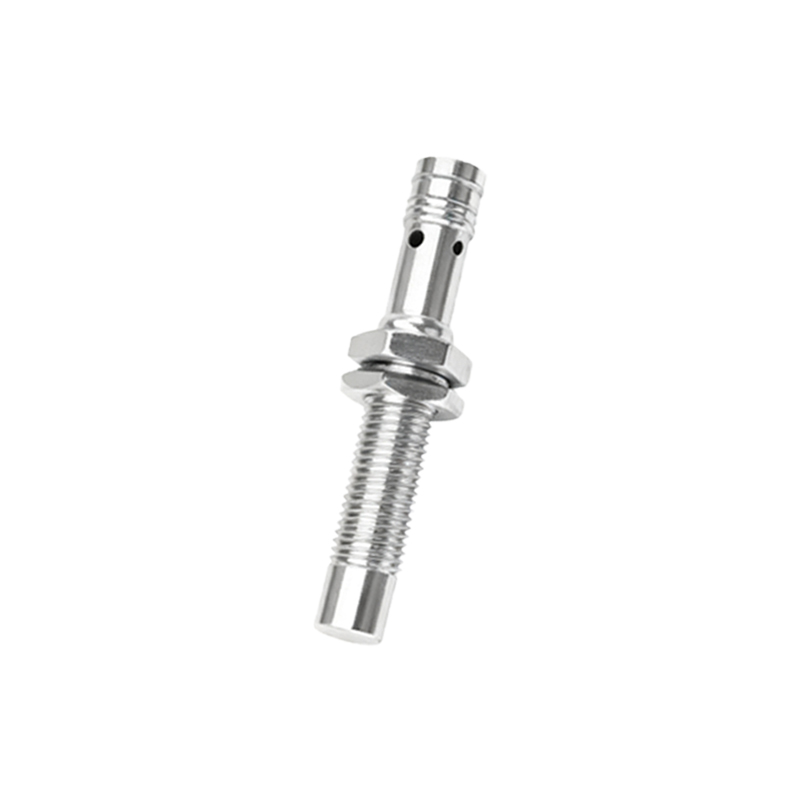
When specifying and installing the GS206, several engineering best practices must be observed. First, proper mounting is essential. Flush-mounted sensors (embedded in a metal bracket) have a reduced sensing range compared to non-flush mountable types. Engineers must ensure adequate clearance around the sensing face to prevent false triggers from surrounding metal structures—a concept known as the "mounting distance." Second, electrical wiring must be correct. Connecting an NPN sensor to a PNP input module, or vice versa, will result in malfunction. Always refer to the manufacturer's datasheet for wiring diagrams. Shielding and grounding the cable, especially in environments with high electromagnetic interference (EMI) from motors or welders, is crucial for stable operation. Using shielded cables and grounding the shield at the controller end is a standard recommendation. Third, consider the switching frequency. The GS206 has a maximum response frequency, which dictates how quickly it can detect objects passing by. For high-speed applications like sorting small parts, this parameter is critical.
Maintenance of the GS206 is generally minimal due to its solid-state design. However, periodic checks are advised. The sensing face should be kept clean from buildup of dirt, metal shavings, or oil, as this can attenuate the sensing field and reduce the effective range. Regularly verifying the output signal with a multimeter or the PLC's input status indicator during operation can preempt system downtime.
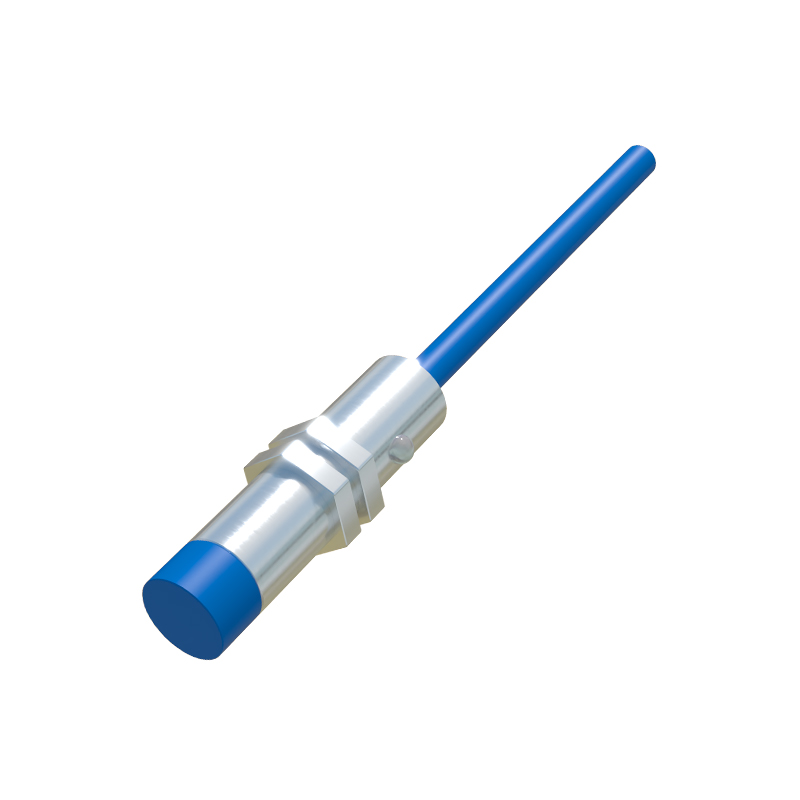
In conclusion, the GS206 proximity switch sensor represents a mature and dependable technology in the sensor landscape. Its durability, consistent performance, and straightforward interface make it a go-to choice for countless detection tasks in factory automation. A deep understanding of its operating principle, careful selection based on electrical output and sensing requirements, and adherence to installation guidelines are paramount for electrical engineers to ensure reliable and long-lasting system integration. As automation evolves, such foundational components remain indispensable for building efficient, safe, and intelligent industrial systems.