In the realm of industrial automation, inductive proximity sensors are ubiquitous components, prized for their robustness, reliability, and non-contact detection of metallic objects. A recurring question among engineers, technicians, and safety officers is whether these devices emit harmful radiation. This article provides a comprehensive, technically grounded analysis to address this concern directly and clarify the nature of the energy emitted by these sensors.
Fundamentally, an inductive proximity sensor operates on the principle of electromagnetic induction. Its core component is a coil wound around a ferrite core, which forms part of an oscillator circuit. When energized, this coil generates a high-frequency alternating electromagnetic field that projects from the sensor's active face. This field is typically in the range of several hundred kilohertz to a few megahertz. When a conductive metal object enters this oscillating field, eddy currents are induced on the surface of the object. These eddy currents draw energy from the sensor's oscillator, causing a measurable change in the circuit's amplitude or frequency. This change is detected by the sensor's evaluation circuitry, which subsequently triggers a solid-state output switch.
The critical distinction lies in the type of energy involved: electromagnetic fields, not ionizing radiation. This is a crucial difference often lost in general discourse.
Ionizing Radiation (e.g., X-rays, gamma rays) possesses sufficient energy to remove tightly bound electrons from atoms, potentially damaging cellular DNA and posing significant health risks. Inductive sensors do not produce this form of energy.

Non-Ionizing Electromagnetic Fields (EMF) are produced by the sensor's coil. This category includes fields generated by power lines, radios, and common electronic devices. The oscillating magnetic field from an inductive sensor is a low-frequency, non-ionizing EMF.
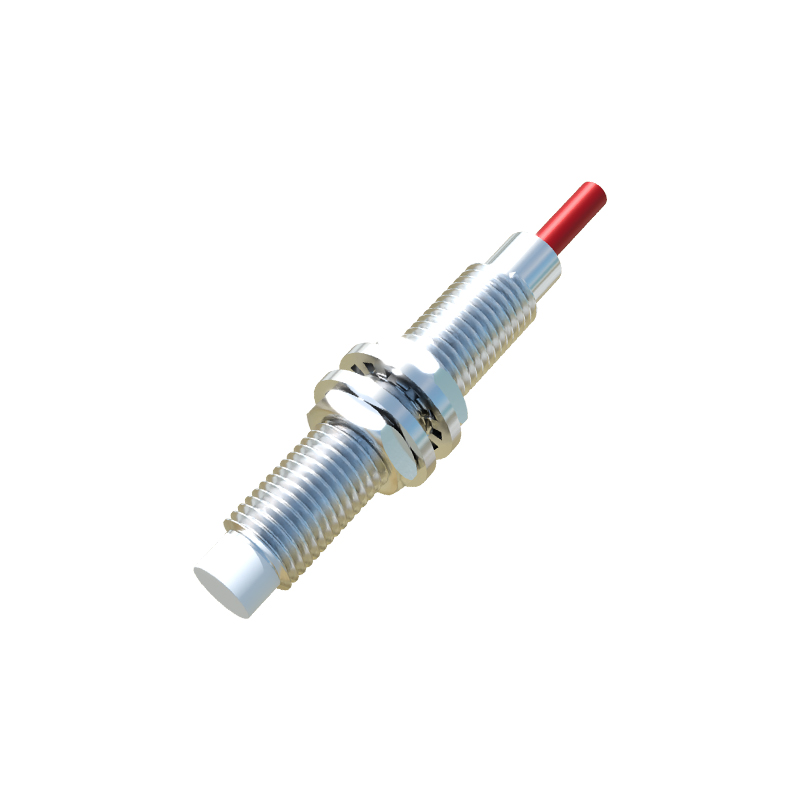
The operational frequency of standard inductive sensors places them in the spectrum far below visible light, radio waves, and even typical AM radio broadcasts. The energy quanta (photons) in this frequency range are insufficient to break molecular bonds or ionize atoms. Therefore, from a physics standpoint, the "radiation" emitted is non-ionizing and not analogous to the harmful effects associated with radioactive sources or X-ray equipment.
From an industrial safety and standards perspective, inductive proximity sensors are subject to stringent international regulations concerning electromagnetic compatibility (EMC). These standards, such as the IEC 60947-5-2 series, govern the sensor's emission levels to ensure they do not interfere with other equipment. Crucially, they also consider human exposure, though typically in the context of interference rather than direct health hazards, given the low power levels involved. The power density of the electromagnetic field emitted by a standard inductive sensor decreases rapidly with distance (following an inverse-square law). At the typical installation distances and the minimal power used (usually less than a few watts), the field strength at the sensor housing and beyond is negligible compared to established public and occupational exposure limits for electromagnetic fields, such as those outlined by the International Commission on Non-Ionizing Radiation Protection (ICNIRP).
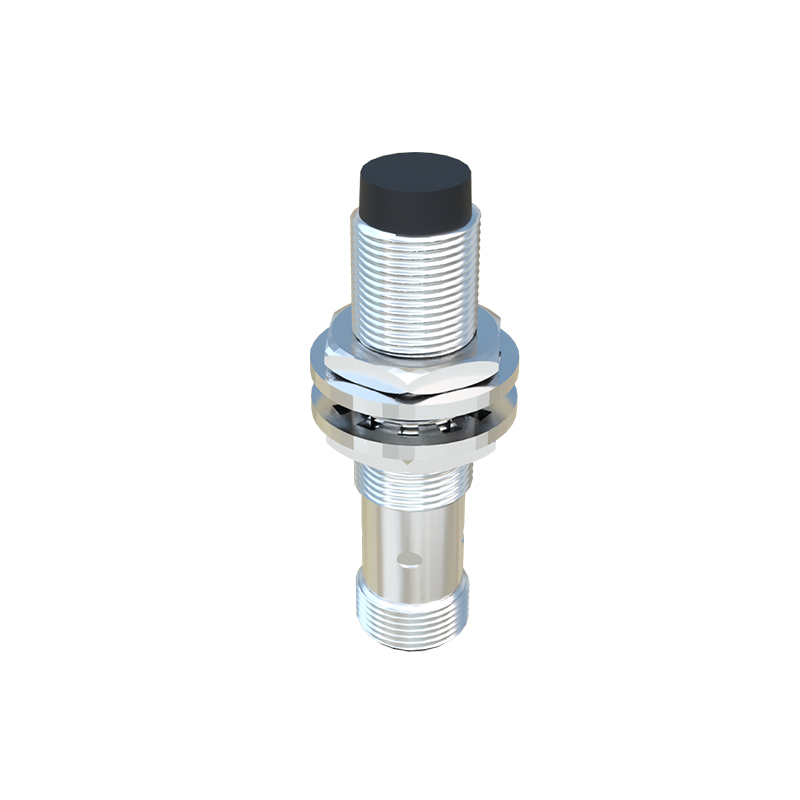
Comparatively, the electromagnetic field strength at the face of an inductive sensor is often orders of magnitude lower than that of common devices like a smartphone in use, a microwave oven (even considering its shielded design), or industrial induction heating equipment. The primary design goal of the sensor is to create a localized, sensitive field for detection, not to broadcast energy.
Potential concerns in specific scenarios are not related to radiation but to electromagnetic interference (EMI). In extremely sensitive electronic environments, such as near certain medical or laboratory equipment, the sensor's EMF could theoretically cause interference. This is managed through proper sensor selection (shielded vs. unshielded types), installation practices, and adherence to EMC guidelines. Shielded sensors contain the magnetic field more effectively, while unshielded types have a longer range but a more extended lateral field.
In conclusion, referring to the emission from inductive proximity sensors as harmful "radiation" is a misnomer that can lead to unnecessary concern. These devices generate weak, low-frequency, non-ionizing electromagnetic fields confined to a very short range for the explicit purpose of object detection. They do not emit ionizing radiation like X-rays or gamma rays. When installed and used according to manufacturer specifications and within standard industrial control panels or machinery, they pose no known health risk from radiation exposure. The focus for engineers should remain on correct installation for optimal performance and ensuring EMC compliance within the broader system, rather than on unsubstantiated radiation hazards. For any application in exceptionally sensitive environments, consulting the sensor's detailed technical data sheets regarding EMC characteristics is always the recommended professional practice.