In the realm of industrial automation and control systems, proximity sensors are indispensable components for detecting the presence or absence of objects without physical contact. Among these, ring-shaped or annular proximity sensors hold a unique and critical position due to their specialized design and application versatility. This article delves into the various types of ring proximity sensors, their operating principles, and typical use cases, tailored for electrical engineers and industry professionals.
The fundamental principle behind ring proximity sensors involves generating an electromagnetic field within their annular opening. When a target object passes through this opening, it disrupts the field, triggering a detection signal. This non-contact method ensures high reliability, minimal wear, and fast response times, making these sensors ideal for high-speed automation environments. Broadly, ring proximity sensors can be categorized based on their sensing technology, output type, and specific design features.
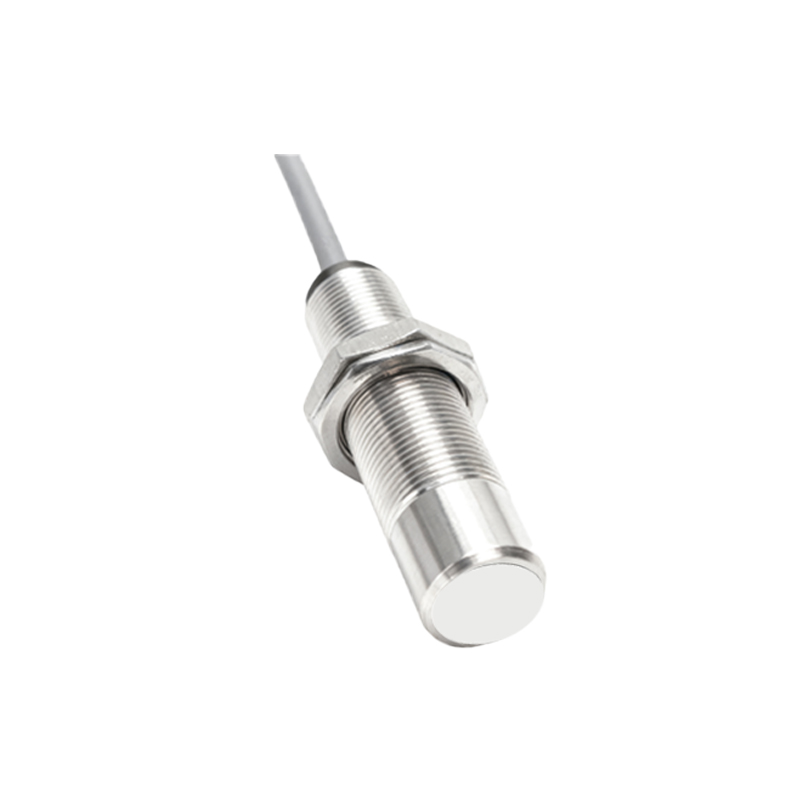
1. Inductive Ring Proximity Sensors
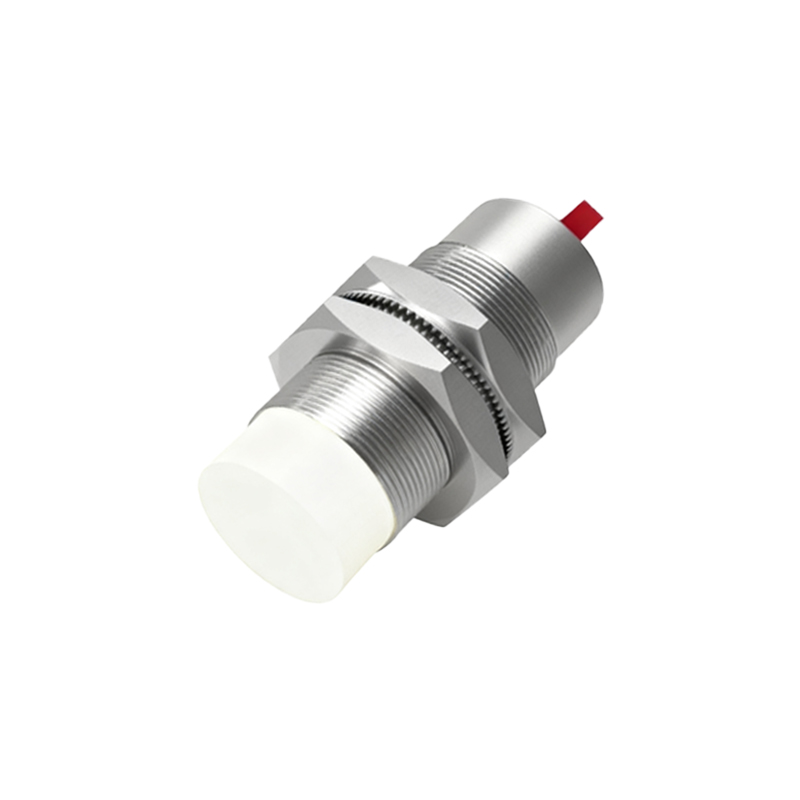
Inductive ring sensors are among the most common types. They operate by generating an oscillating electromagnetic field from a coil wound around the ferrite core of the ring. These sensors exclusively detect metallic objects, typically ferrous metals like iron and steel, though some models can sense non-ferrous metals with reduced sensing range. When a metal target enters the detection zone, it induces eddy currents that dampen the oscillation, causing the sensor to switch its output state. They are widely used in applications such as counting metal parts on conveyor lines, detecting screws or bolts in assembly processes, and monitoring metal debris in production systems. Their robustness against environmental factors like dust, oil, and moisture makes them suitable for harsh industrial settings.
2. Capacitive Ring Proximity Sensors
Capacitive ring sensors function by detecting changes in capacitance. The ring acts as one plate of a capacitor, with the target object acting as the other plate. When an object (metallic or non-metallic, including liquids, plastics, glass, or wood) passes through the ring, it alters the dielectric constant and thus the capacitance, triggering detection. This versatility allows capacitive ring sensors to handle a broader range of materials compared to inductive types. Common applications include monitoring fill levels in pipelines, detecting non-metallic containers or packages, and controlling liquid or granular material flow. They are particularly valuable in food processing, pharmaceutical, and packaging industries where diverse materials are present.
3. Photoelectric Ring Sensors (Through-Beam Type)
Photoelectric ring sensors, often configured as through-beam sensors, consist of a transmitter and receiver positioned opposite each other on the ring's interior. The transmitter emits a light beam (usually infrared, visible red, or laser) across the opening to the receiver. An object passing through interrupts this beam, causing the receiver to signal detection. These sensors offer very high precision and can detect extremely small objects regardless of material composition, color, or surface texture. They are ideal for high-speed counting, sorting small components like electronic chips or pills, and verifying object presence in transparent packaging. However, they may be sensitive to ambient light interference or accumulation of dirt on lenses, requiring periodic maintenance.
4. Magnetic Ring Proximity Sensors
Magnetic ring sensors detect objects based on magnetic fields. They often incorporate Hall-effect or magnetoresistive elements that respond to changes when a magnetic target (such as a magnet attached to an object) passes through the ring. Alternatively, some designs generate a magnetic field to detect ferromagnetic materials. These sensors are less common but useful in specialized scenarios like detecting magnetized parts, monitoring rotational speed of shafts with magnetic encoders, or in environments where other sensing methods face interference. They provide reliable operation in dirty or wet conditions where optical sensors might fail.
5. Specialized and Hybrid Ring Sensors
Beyond these core types, specialized variants exist to meet niche demands. For instance, Ultrasonic Ring Sensors use sound waves to detect objects, suitable for transparent or irregularly shaped items. RFID Ring Sensors integrate radio-frequency identification to not only detect but also identify tagged objects passing through. Additionally, hybrid designs combine technologies, such as inductive-capacitive sensors, to broaden material detection capabilities. Modern ring sensors also feature advanced outputs, including analog signals for distance measurement, digital switching (PNP/NPN), or IO-Link for smart factory communication, enabling real-time data exchange and diagnostics.
When selecting a ring proximity sensor, engineers must consider key parameters: sensing range (which is inherently limited by the ring's inner diameter), target material, operating frequency (response speed), environmental conditions (IP rating for ingress protection), power supply requirements, and output compatibility with control systems like PLCs. Proper installation is crucial—ensuring the ring is aligned perpendicular to the object path and free from metallic nearby to avoid false triggers enhances performance.
In summary, ring proximity sensors, through their diverse technological implementations, provide tailored solutions for automated detection tasks. From inductive sensors for metal detection in manufacturing to capacitive