In the realm of industrial automation and electronic design, proximity sensors play a pivotal role in enabling non-contact detection, enhancing safety, and improving operational efficiency. Among the various types available, the P60 series of proximity sensors has established itself as a reliable and versatile solution for a wide array of applications. This article delves into the technical specifications, operational principles, and practical implementation considerations of the P60 proximity sensor, providing a detailed overview for electrical engineers and industry professionals.
The P60 is typically an inductive proximity sensor, designed to detect the presence of metallic objects without any physical contact. Its core operating principle is based on electromagnetic induction. The sensor generates a high-frequency oscillating electromagnetic field from its active face. When a conductive metal target enters this field, eddy currents are induced on the surface of the target. These eddy currents absorb energy from the oscillator, causing a change in the oscillation amplitude. This change is detected by the sensor's internal circuitry, which subsequently triggers a switching action in the output stage—either turning a solid-state switch ON or OFF. This non-contact nature eliminates mechanical wear and tear, ensuring a long operational lifespan and high reliability in demanding environments.
Key technical specifications define the P60's performance envelope. The sensing distance, often standardized, is a critical parameter. For a standard P60 sensor, this nominal sensing range (Sn) is typically up to 60mm, though variations exist depending on the specific model and target material (e.g., steel). It is crucial to note that the effective sensing distance can be affected by factors such as target size, shape, and material composition. The sensor housing is usually constructed from robust materials like nickel-plated brass or stainless steel, offering high resistance to mechanical impacts, oils, and coolants, making it suitable for harsh industrial settings like machine tools, material handling systems, and automotive assembly lines.
Electrical characteristics are equally important. The P60 series commonly operates on a wide range of DC voltages (e.g., 10-30V DC) or AC voltages, catering to different control system architectures. Output configurations include NPN (sinking) and PNP (sourcing) transistor outputs, as well as analog (4-20mA or 0-10V) and IO-Link versions for more advanced data communication. The switching frequency, indicating how quickly the sensor can detect objects passing by, is a vital spec for high-speed applications. Engineers must carefully match these electrical parameters with the requirements of the programmable logic controller (PLC) or other control units in the system.
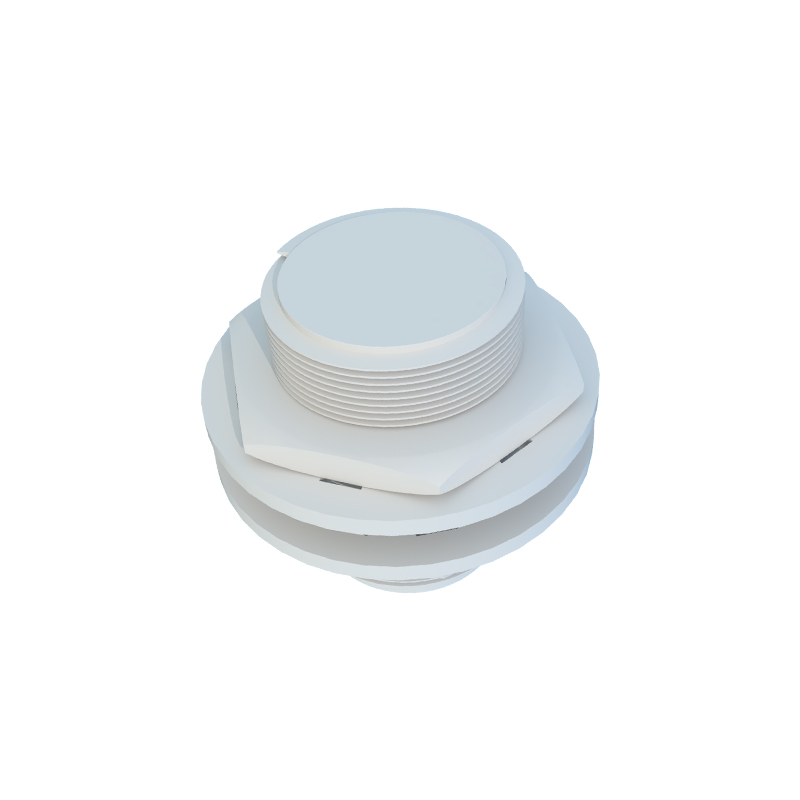
Installation and environmental considerations are paramount for optimal performance. Proper mounting, alignment, and ensuring adequate clearance from surrounding metal objects (to prevent false triggering) are essential steps. The P60 sensor's housing often features built-in LEDs for diagnostic purposes, indicating power status and output switching. Environmental factors such as ambient temperature, presence of strong electromagnetic fields, and exposure to chemicals must be evaluated against the sensor's ingress protection (IP) rating, such as IP67, which denotes complete protection against dust and protection against temporary immersion in water.
Application areas for the P60 proximity sensor are extensive. They are routinely employed for position detection (e.g., verifying the presence of a metal part on a conveyor), end-of-travel limit sensing on actuators and cylinders, rotary speed monitoring via gear tooth detection, and part counting. In automated packaging machinery, they ensure precise product positioning. Within automotive manufacturing, they contribute to robotic welding and assembly processes by confirming component placement.
When selecting a P60 sensor for a project, engineers should conduct a thorough analysis of the application requirements. This includes defining the target material, required sensing distance, necessary response time, environmental conditions, electrical interface compatibility, and physical mounting constraints. Consulting the manufacturer's detailed datasheet is non-negotiable for verifying all performance characteristics and dimensional drawings.
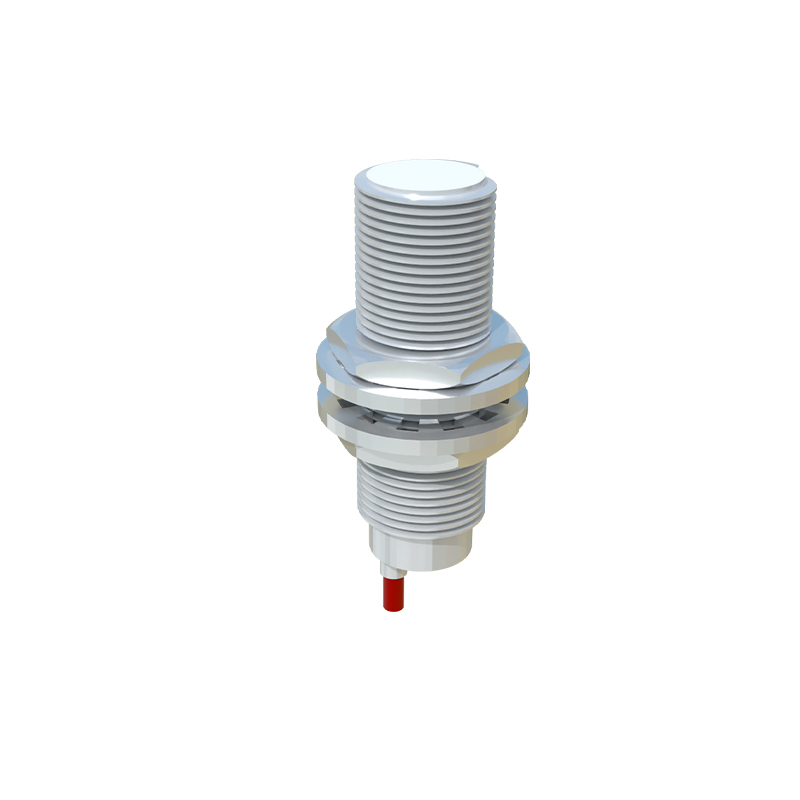
In conclusion, the P60 proximity sensor represents a mature and highly effective technology for non-contact metallic object detection. Its robustness, reliability, and flexibility make it a cornerstone component in modern industrial control systems. A deep understanding of its operating principles, specifications, and application nuances empowers electrical engineers to design more efficient, safe, and intelligent automated solutions. As Industry 4.0 and smart manufacturing evolve, the integration of such sensors with digital communication protocols like IO-Link will further enhance their role in providing valuable diagnostic and process data.