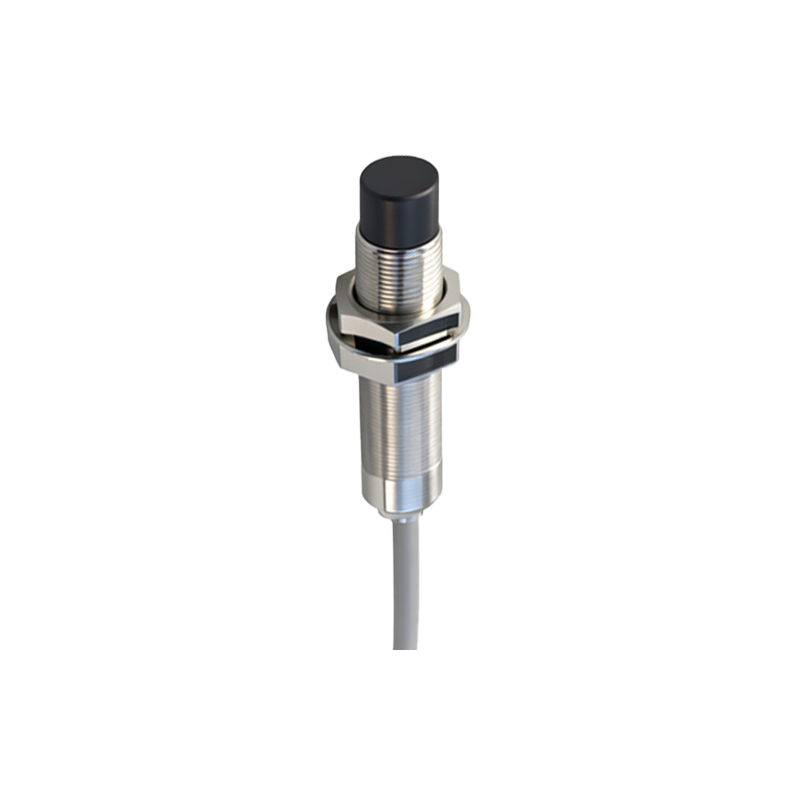
In the intricate world of industrial automation and process control, the reliable detection of bulk materials, particularly powders, is a critical yet often challenging task. This is where powder proximity sensors emerge as indispensable components, ensuring operational continuity, safety, and efficiency. Unlike standard proximity sensors designed for solid objects, powder proximity sensors are specifically engineered to detect the presence, absence, or level of fine particulate materials like flour, cement, plastic pellets, chemical powders, and pharmaceuticals.
The core function of a powder proximity sensor is to provide non-contact detection. Physical contact with the material is often undesirable as it can lead to contamination, sensor coating, or even damage. These sensors work by emitting a sensing field—typically capacitive or ultrasonic—that interacts with the powder. A capacitive sensor detects changes in the dielectric constant caused by the presence of powder near its active face. When powder enters the sensing field, it alters the capacitance, triggering a switching signal. This principle makes capacitive sensors highly effective for non-metallic powders and granules, even through non-metallic container walls. Ultrasonic sensors, on the other hand, measure the time it takes for a sound wave to reflect from the material's surface, ideal for level detection in silos or bins.
The applications are vast and vital. In pneumatic conveying systems, these sensors monitor the flow of powder, detecting blockages or empty lines to prevent system damage and production halts. They are crucial for bin and silo level detection, preventing both overfilling and running empty, which can disrupt entire production lines. In packaging and filling stations, they ensure precise dosing by confirming the presence of powder before the filling cycle begins. Furthermore, in industries with explosive dust atmospheres, intrinsically safe or explosion-proof certified powder proximity sensors are mandatory for hazard prevention.
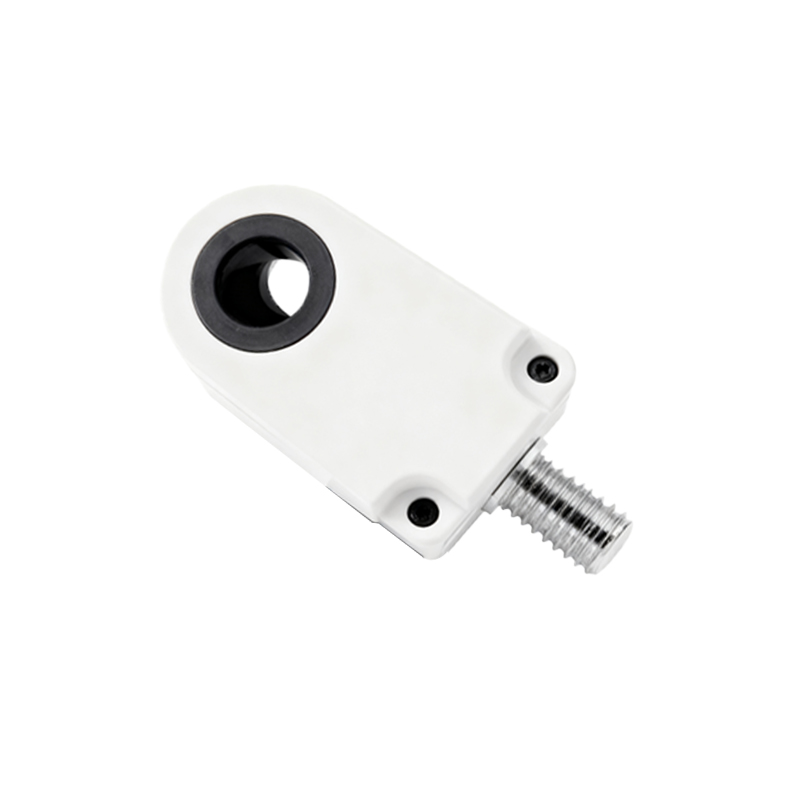
Selecting the right sensor involves careful consideration of several factors. The material characteristics are paramount: particle size, density, moisture content, and dielectric properties all influence sensor choice and tuning. Environmental conditions such as temperature extremes, pressure, and potential buildup on the sensor face must be accounted for. Modern powder proximity sensors often feature advanced diagnostics, adjustable sensitivity, and robust housings resistant to material adhesion. Proper installation is equally critical; the sensor must be positioned where it can reliably detect the material without interference from agitators, vessel walls, or filling streams.
The advantages of implementing reliable powder detection are substantial. They directly contribute to reduced downtime by providing early warnings of flow issues or low levels, allowing for proactive maintenance. They enhance product quality and consistency by ensuring correct material presence in mixing and processing stages. From a safety perspective, they help prevent dangerous situations like equipment jams, overpressure in silos, or the creation of explosive dust clouds. Ultimately, they automate what would otherwise require manual checks, leading to significant labor savings and operational efficiency.
In conclusion, powder proximity sensors are far from simple switches. They are sophisticated guardians of process integrity in powder handling. Their ability to provide reliable, non-contact detection in demanding environments makes them a cornerstone of modern industrial automation. As material science and sensor technology advance, we can expect even more resilient, intelligent, and integrated solutions for powder detection, further driving the optimization and safety of industrial processes worldwide.