Proximity sensors are indispensable components in modern industrial automation, offering non-contact detection of objects within their sensing range. Their reliability, durability, and versatility make them essential for applications ranging from assembly lines to robotic systems. However, to maximize their performance and longevity, adhering to specific usage principles is crucial. This article outlines key guidelines for the effective deployment and maintenance of proximity sensors in industrial settings.
First and foremost, selecting the appropriate sensor type is fundamental. Proximity sensors are broadly categorized into inductive, capacitive, ultrasonic, and photoelectric types, each suited to different materials and environments. Inductive sensors detect metallic objects and are ideal for harsh conditions involving dust, oil, or moisture. Capacitive sensors can sense both metallic and non-metallic materials, making them suitable for liquid level detection or plastic object recognition. Ultrasonic sensors use sound waves to measure distance and are effective for transparent or irregularly shaped items. Photoelectric sensors rely on light beams and excel in long-range detection. Understanding the target material, environmental factors (e.g., temperature, humidity, and interference), and required sensing distance ensures optimal sensor choice.
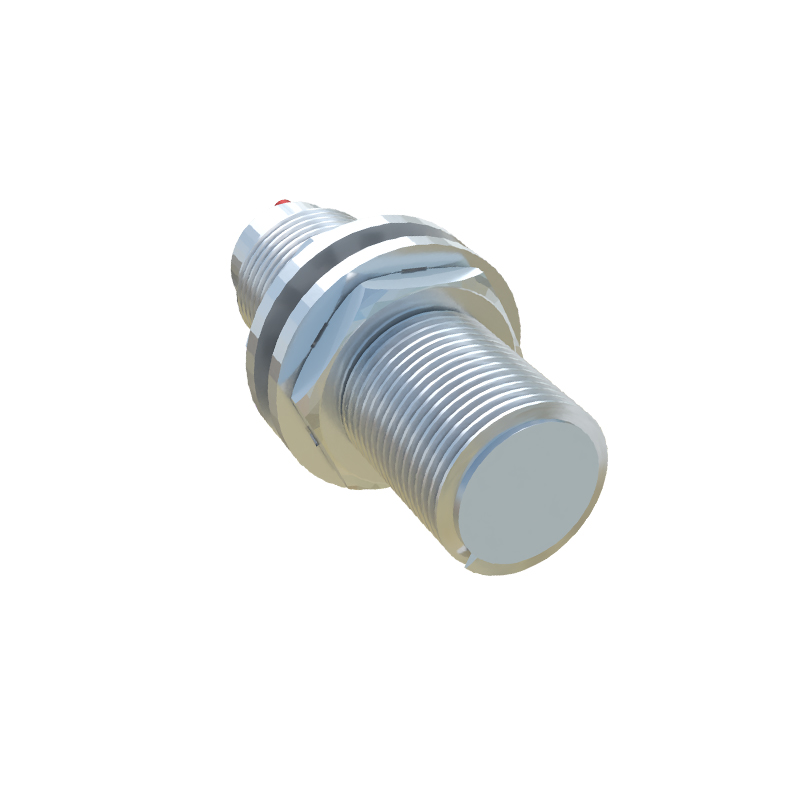
Installation and alignment are critical for accurate operation. Sensors must be positioned to avoid physical obstructions or misalignment that could cause false triggers. For inductive and capacitive sensors, maintaining a proper sensing distance—typically specified as the nominal sensing range—is vital. Exceeding this range can lead to unreliable detection. Additionally, sensors should be mounted securely to minimize vibration-induced errors. In applications involving fast-moving objects, consider the sensor’s response time to ensure it captures events without delay. Shielding from electromagnetic interference (EMI) or other sensors’ signals may also be necessary to prevent crosstalk.
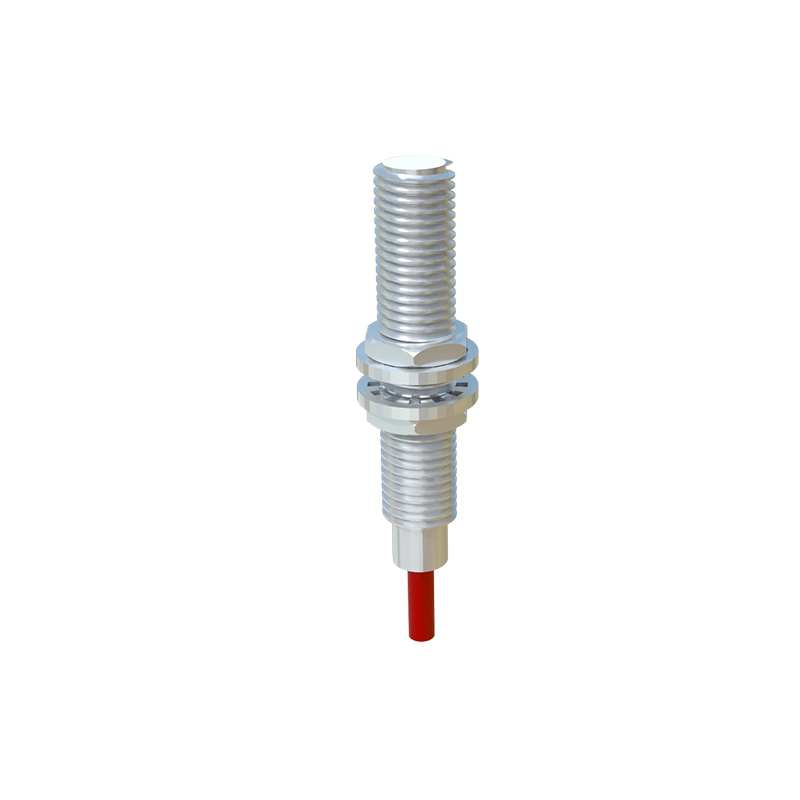
Environmental considerations play a significant role in sensor performance. Industrial environments often expose sensors to extreme temperatures, corrosive chemicals, or mechanical stress. Choose sensors with appropriate ingress protection (IP) ratings to withstand dust, water, or oil ingress. For example, sensors rated IP67 or higher are suitable for washdown areas in food processing. Temperature tolerance should match operational extremes; high-temperature variants are available for foundries or welding zones. Regular cleaning of sensor faces prevents buildup of contaminants like grease or debris, which can attenuate signals or cause failures.
Electrical integration requires attention to power supply, wiring, and load compatibility. Most proximity sensors operate on DC or AC voltages, and mismatched power sources can damage them. Ensure wiring follows manufacturer guidelines, using shielded cables in noisy environments to reduce signal interference. Load current should not exceed the sensor’s rated capacity to avoid overheating or premature failure. For inductive sensors, note that different metals (e.g., steel vs. aluminum) affect sensing ranges; calibration or sensitivity adjustments may be needed. Implementing fail-safe circuits or redundancy in critical applications enhances system reliability.
Maintenance and troubleshooting are ongoing necessities. Periodically inspect sensors for physical damage, loose connections, or wear. Diagnostic features like LED indicators simplify fault detection by signaling power status or object detection. Logging performance data helps identify trends, such as gradual sensitivity loss due to environmental wear. When issues arise, systematic troubleshooting—checking power, alignment, and environmental factors—resolves common problems like erratic behavior or no-output conditions. Upgrading to modern sensors with smart features, such as IO-Link connectivity, enables remote monitoring and predictive maintenance, reducing downtime.
In summary, effective use of proximity sensors hinges on thoughtful selection, precise installation, environmental adaptation, proper electrical setup, and proactive maintenance. By following these principles, engineers can enhance automation efficiency, ensure safety, and extend sensor lifespan. As technology evolves, integrating advanced sensors with industrial networks will further optimize processes, but foundational practices remain key to success.