Magnetic proximity sensors represent a critical component in modern industrial automation, offering non-contact detection of ferromagnetic objects with high reliability and durability. These sensors operate based on the Hall effect or magnetoresistive principles, generating a signal when a magnetic field is disturbed by a target's presence. Unlike optical or inductive sensors, magnetic variants excel in harsh environments—resistant to dust, moisture, vibrations, and extreme temperatures, making them ideal for applications in manufacturing, automotive assembly, and material handling systems.
A key advantage of magnetic proximity sensors is their ability to detect through non-ferrous materials like aluminum or plastic, enabling innovative mounting solutions where sensors can be concealed within machinery housings. This feature enhances safety and reduces mechanical wear, as there is no physical contact between the sensor and the target. Common types include reed switches, which use magnetically actuated contacts, and solid-state Hall effect sensors, which provide faster response times and longer operational lifespans. Selection criteria often involve sensing range, output type (e.g., PNP/NPN analog or digital), and environmental ratings such as IP67 for waterproofing.
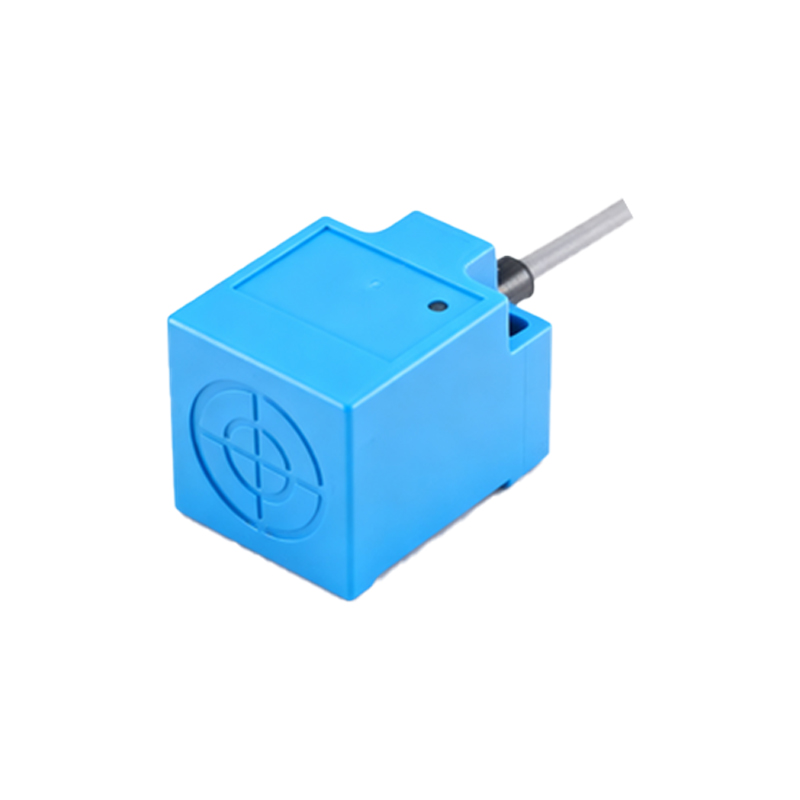
In specialized sectors like robotics and aerospace, custom magnetic sensors are engineered for precision tasks, such as position feedback in linear actuators or speed monitoring in conveyor belts. Integration with PLCs (Programmable Logic Controllers) and IoT platforms allows for real-time data collection, facilitating predictive maintenance and reducing downtime. For instance, in automotive welding lines, magnetic sensors ensure robotic arms align accurately with metal panels, while in food processing, stainless-steel encased variants meet hygiene standards without compromising performance.
When sourcing magnetic proximity sensors, it is essential to partner with specialized suppliers who offer technical support, certification compliance (e.g., CE, UL), and tailored solutions. Factors like magnetic field strength, target material, and installation alignment impact sensor efficacy; thus, expert consultation ensures optimal system integration. As Industry 4.0 advances, innovations in miniaturization and wireless connectivity are expanding sensor capabilities, driving efficiency across automated workflows. Ultimately, investing in high-quality magnetic proximity sensors from dedicated specialists enhances operational resilience, supporting seamless automation in demanding industrial landscapes.