In the realm of industrial automation and control systems, proximity sensors are indispensable components. They detect the presence or absence of an object without physical contact, enabling countless applications from assembly lines to safety interlocks. While specifications like sensing range, response time, and housing material are often highlighted, one of the most critical yet nuanced parameters is accuracy. This article delves into what constitutes proximity sensor accuracy, the factors influencing it, and how to ensure optimal performance in real-world applications.
Defining Accuracy in Proximity Sensing
Accuracy, in the context of proximity sensors, refers to the degree of conformity between the measured detection point and the true or theoretical detection point. It is not a single, monolithic specification but a combination of several interrelated characteristics:
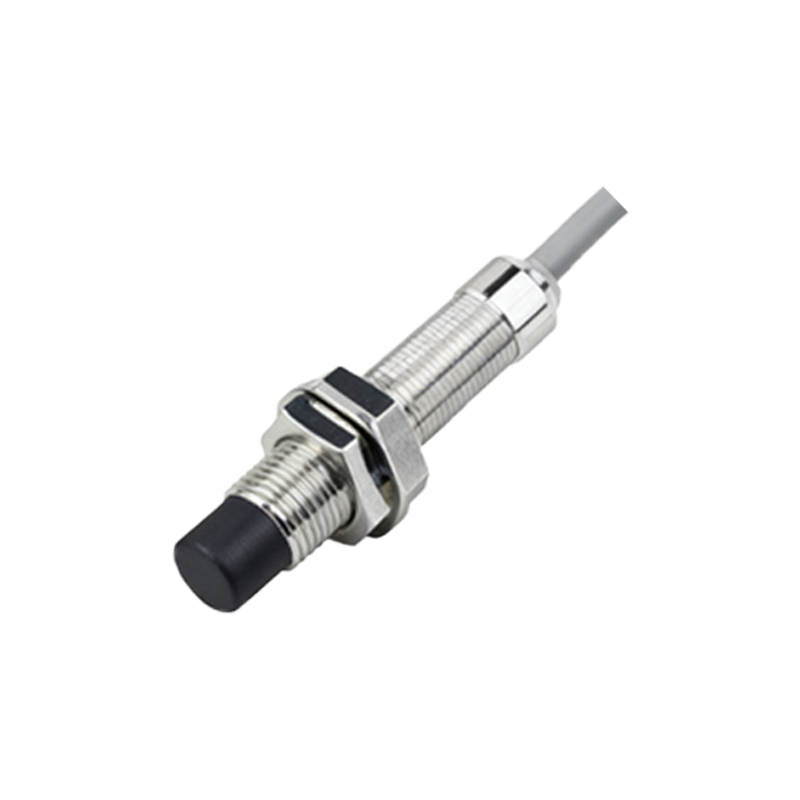
1. Repeatability (Precision): This is arguably the most crucial aspect for most applications. It defines the sensor's ability to consistently detect an object at the same exact position under unchanged conditions. High repeatability means minimal variation in the trigger point across thousands of cycles.
2. Hysteresis: To prevent chattering (rapid on/off switching) when an object is near the detection threshold, sensors incorporate hysteresis. This is a difference between the switch-on point (when the object approaches) and the switch-off point (when the object recedes). While necessary for stable operation, the width of this hysteresis band affects the effective positioning accuracy.
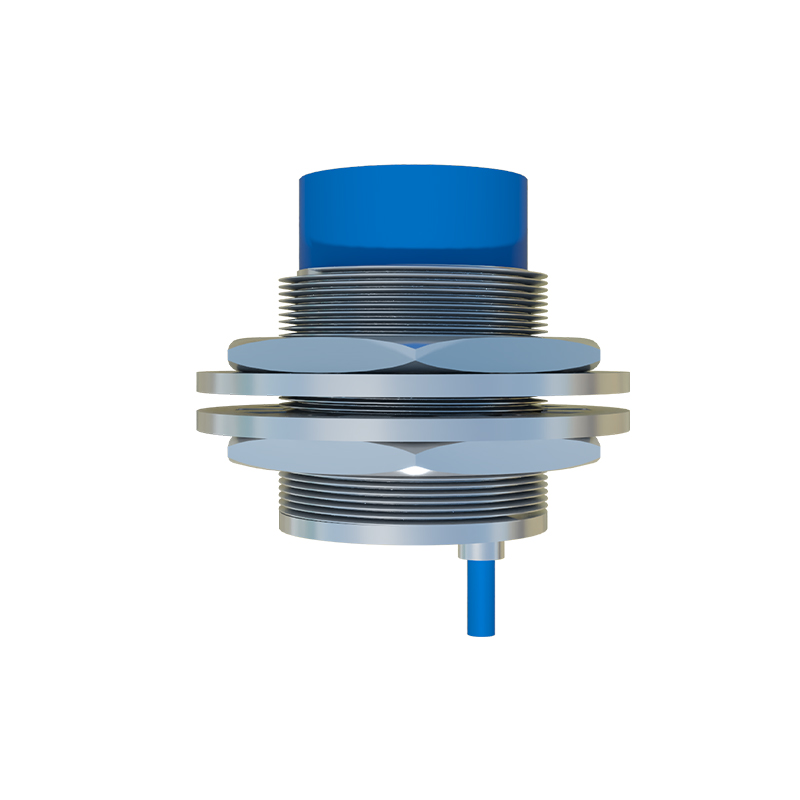
3. Linearity (for Analog Sensors): For analog output sensors (e.g., 4-20mA, 0-10V), linearity error measures the deviation of the actual output signal from a perfect straight-line relationship between object distance and output value. Non-linearity can introduce errors in distance measurement applications.
4. Temperature Drift: The operating point of a sensor can shift with changes in ambient temperature. Accuracy specifications must consider this drift over the sensor's stated temperature range.
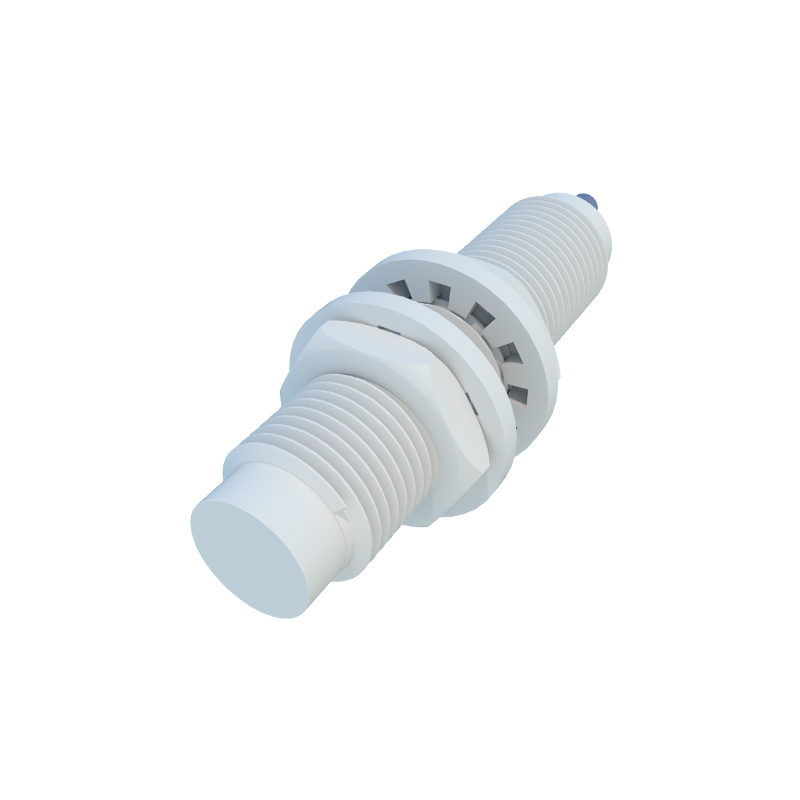
5. Target Dependency: The stated sensing range and accuracy are typically defined for a standard target (e.g., a square of mild steel of a specific size). Variations in target material, size, shape, and orientation can significantly alter the effective sensing distance and, consequently, the accuracy.
Key Factors Influencing Sensor Accuracy
Several internal and external factors directly impact the accuracy of a proximity sensor:
Sensor Technology: Inductive sensors (for metals) and capacitive sensors (for various materials) have different inherent accuracy profiles. Ultrasonic and photoelectric sensors, used for longer ranges, have their own sets of accuracy-defining parameters like beam angle and resolution.
Electrical Design and Shielding: The quality of the oscillator, signal processing circuitry, and electromagnetic shielding determines immunity to electrical noise from motors, drives, or welders, which can cause false triggering or shifts in detection point.
Mechanical Construction: The precision with which the sensing coil or element is positioned within the housing affects consistency. Vibration-resistant construction prevents internal movement that degrades repeatability.
Environmental Conditions: Beyond temperature, factors like humidity (for capacitive sensors), dust, oil, and chemical exposure can affect sensor performance if the housing integrity is compromised.
Installation Practices: Improper mounting (e.g., not flush in a metal surface for inductive sensors), incorrect alignment with the target, or sensing multiple objects can introduce substantial errors.
Ensuring and Specifying Accuracy in Applications
To achieve the required system accuracy, engineers must adopt a holistic approach:
1. Read the Data Sheet Critically: Look beyond the "sensing distance" (Sn). Examine the specifications for repeatability, typically expressed as a percentage of Sn (e.g., ≤ 1% of Sn). Check the temperature drift specification (e.g., ±10% of Sn over 0-70°C). Understand the conditions under which the standard sensing distance is defined.
2. Perform Real-World Calibration: For critical positioning tasks, never rely solely on catalog specifications. Calibrate the sensor's on/off point under actual operating conditions, including the specific target material, ambient temperature, and electrical environment. Establish a maintenance schedule to re-check calibration periodically.
3. Implement Good Engineering Practices: Use precision fixtures for both the sensor and target. Ensure stable power supplies with proper filtering. Maintain adequate clearance between sensors and between sensors and metal mounting surfaces to prevent mutual interference. Follow the manufacturer's installation guidelines meticulously.
4. Choose the Right Sensor for the Task: For simple presence detection, high repeatability is key. For precise distance measurement, select analog sensors with high linearity and resolution, and pair them with high-quality signal conditioners or PLC analog input modules.
5. Consider System-Level Accuracy: Remember that the sensor is one part of a chain. The overall system accuracy includes mechanical play in actuators, controller