In the realm of industrial automation and machine control, the cylindrical proximity sensor stands as a fundamental and ubiquitous component. Its primary function is to detect the presence or absence of a target object without any physical contact, thereby enabling precise, reliable, and wear-free operation in countless applications. This article delves into the operational principles, key types, selection criteria, and practical application considerations for these essential devices.
At its core, a cylindrical proximity sensor operates by generating an electromagnetic field or a beam of light. When a metallic or non-metallic target (depending on the sensor type) enters this field, it causes a detectable change—such as a shift in oscillation amplitude, eddy current loss, or light beam interruption. This change is processed by the sensor's internal circuitry, which subsequently triggers a solid-state switching output. This output signal is then used to control machinery, count parts, signal positions, or initiate safety protocols. The cylindrical housing, typically made of nickel-plated brass, stainless steel, or PBT plastic, provides robust mechanical protection and facilitates easy mounting via a threaded barrel, commonly in standard sizes like M8, M12, M18, and M30.
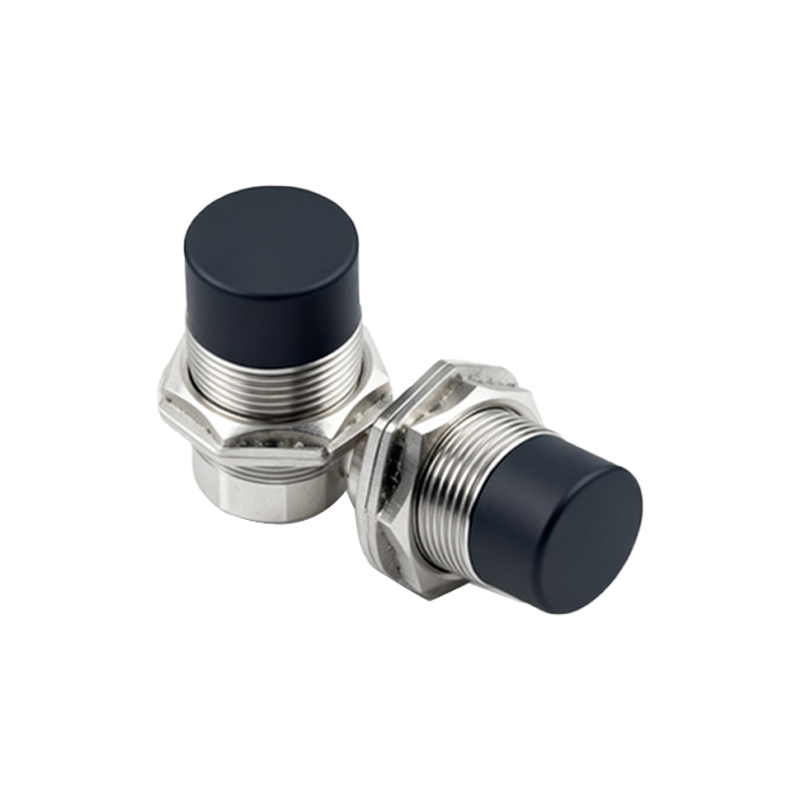
There are three predominant technologies for cylindrical proximity sensors, each suited to specific material detection:
1. Inductive Sensors: These are the most common type, used exclusively for detecting metallic objects, primarily ferrous metals like steel and iron. They generate a high-frequency oscillating electromagnetic field. When a metal target enters this field, it induces eddy currents, damping the oscillation and triggering the switch. They are highly reliable, resistant to environmental contaminants like dust and oil, and offer excellent repeatability.
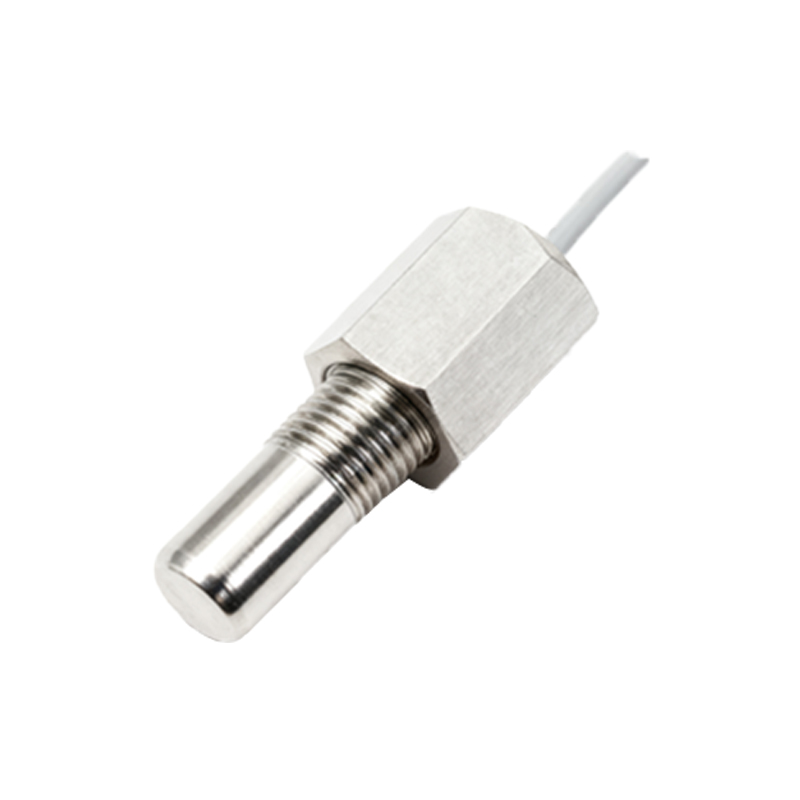
2. Capacitive Sensors: These sensors can detect both metallic and non-metallic materials, including liquids, plastics, glass, and wood. They function by generating an electrostatic field. Any object with a dielectric constant different from air alters the capacitance of the field, which is detected by the sensor. This makes them ideal for level detection of liquids or granular materials, though they can be more susceptible to environmental factors like humidity.
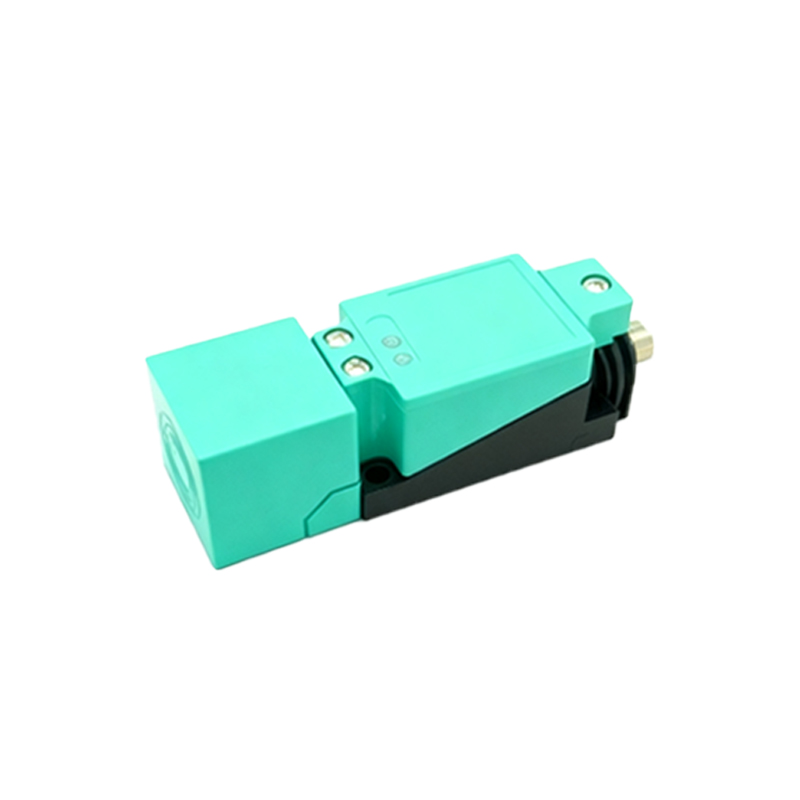
3. Photoelectric Sensors (Cylindrical Housing): While often associated with rectangular housings, photoelectric sensors are also available in cylindrical form factors. They operate by emitting a beam of light (visible red, infrared, or laser) and detecting its reflection or interruption. Diffuse models detect the reflection from the target itself, while through-beam models require a separate receiver. They offer the longest sensing ranges and can detect virtually any material, but their performance can be affected by ambient light, color, and surface finish of the target.
Selecting the right cylindrical proximity sensor requires careful analysis of several parameters:
Sensing Range: The nominal operating distance (Sn) at which a standard target will reliably trigger the sensor. It is crucial to derate this value (typically to 70-80%) for consistent operation and to account for manufacturing tolerances and temperature variations.
Target Material and Size: For inductive sensors, the target must be ferrous or non-ferrous metal of sufficient size. Capacitive and photoelectric sensors have different material considerations.
Output Configuration: This includes the type (NPN sinking or PNP sourcing, NO normally open or NC normally closed) and the switching element (typically a solid-state transistor). The output must be compatible with the controller's input module (e.g., PLC).
Electrical Specifications: Operating voltage range (commonly 10-30V DC or 20-250V AC), current rating, and connection method (pre-wired cable or quick-disconnect connector).
Environmental Rating: The Ingress Protection (IP) rating (e.g., IP67, IP69K) indicates resistance to dust and water, which is critical for washdown or outdoor applications. Temperature range and resistance to chemicals or welding spatter are also vital.
Housing Material and Thread Size: Determines mechanical robustness and mounting compatibility.
In application, proper installation is paramount. Engineers must ensure adequate clearance around the sensor's sensing face to prevent false triggers from the mounting nut or surrounding metal (flush-mountable sensors are designed for embedded installation without this concern). Electrical wiring should follow manufacturer guidelines, often requiring a load resistor for AC sensors or proper grounding to minimize electrical noise interference. Regular maintenance, though minimal, involves checking for physical damage, buildup of material on the sensing face, and verifying the output signal integrity.
From packaging lines and robotic cells to CNC machine tools and automotive assembly, cylindrical proximity sensors provide the essential "eyes" for automated systems. Their durability, simplicity, and reliability make them an indispensable tool for engineers designing efficient, safe, and productive industrial machinery. Understanding their technology and application nuances is key to leveraging their full potential in creating robust automation solutions.