Proximity sensors, often unseen yet integral components, are fundamental to the automation and intelligence of modern industrial systems. Their primary function is to detect the presence or absence of an object within a specific range without any physical contact. This non-contact detection capability is their defining characteristic and the source of their immense value across countless applications. By emitting an electromagnetic field, beam, or ultrasonic waves, these sensors identify changes in the return signal caused by a target object, providing a clean, reliable, and fast electrical signal to a control system.
The core purpose of a proximity sensor is to provide critical input for control, measurement, or safety functions. In automated production lines, for instance, they are indispensable for object counting, precise positioning, and verifying the passage of components on a conveyor belt. A sensor can confirm a part is in the correct place before a robotic arm performs an assembly task, preventing errors and jams. In packaging machinery, they ensure products are correctly aligned for labeling or boxing. Beyond simple detection, their role extends to sophisticated tasks like monitoring rotational speed by counting gear teeth or detecting the end of a roll of material.
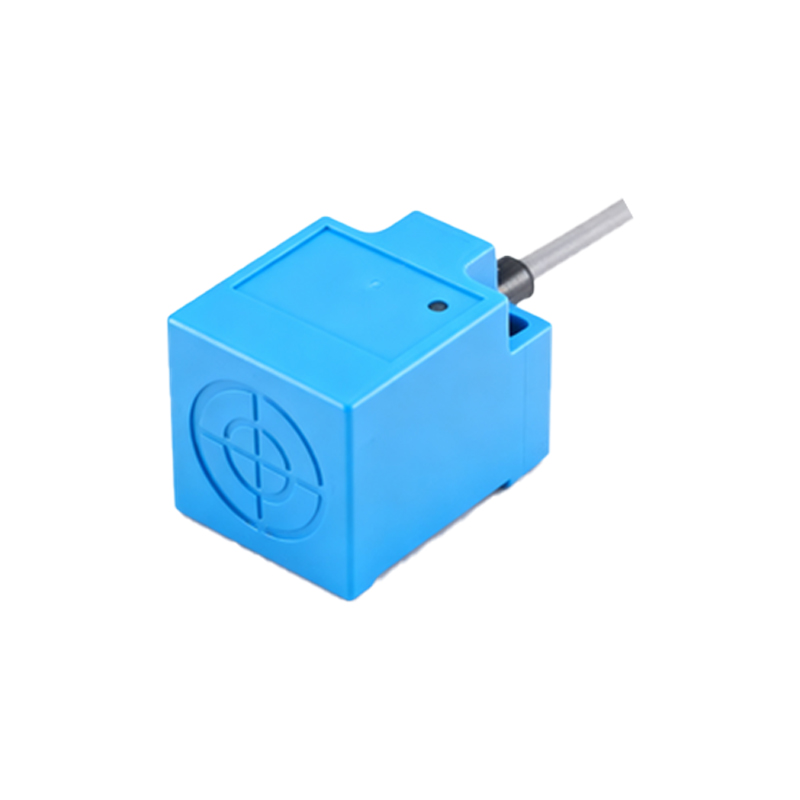
Different sensing technologies cater to diverse needs and materials. Inductive proximity sensors are the workhorses for detecting metallic objects. They generate an oscillating electromagnetic field; when a metal target enters this field, it induces eddy currents, causing the oscillation to dampen, which triggers the sensor's output switch. These are extremely robust, resistant to dirt, oil, and water, making them ideal for harsh manufacturing environments like metalworking or automotive assembly.
Capacitive proximity sensors, on the other hand, can detect both metallic and non-metallic materials, including liquids, plastics, wood, and glass. They function by measuring changes in capacitance. The sensor's face and the target act as two plates of a capacitor. As a target approaches, it alters the dielectric constant and the capacitance of the system, triggering detection. This makes them perfect for applications like liquid level sensing in tanks, detecting filled vs. empty bottles, or monitoring the presence of granular materials.
Ultrasonic sensors use sound waves beyond the human hearing range. They measure the time it takes for an emitted sound pulse to bounce back from a target, calculating distance. This technology is excellent for longer-range detection, presence sensing of irregularly shaped objects, and precise distance measurement, such as in stack height control or controlling the loop of material in web processes.
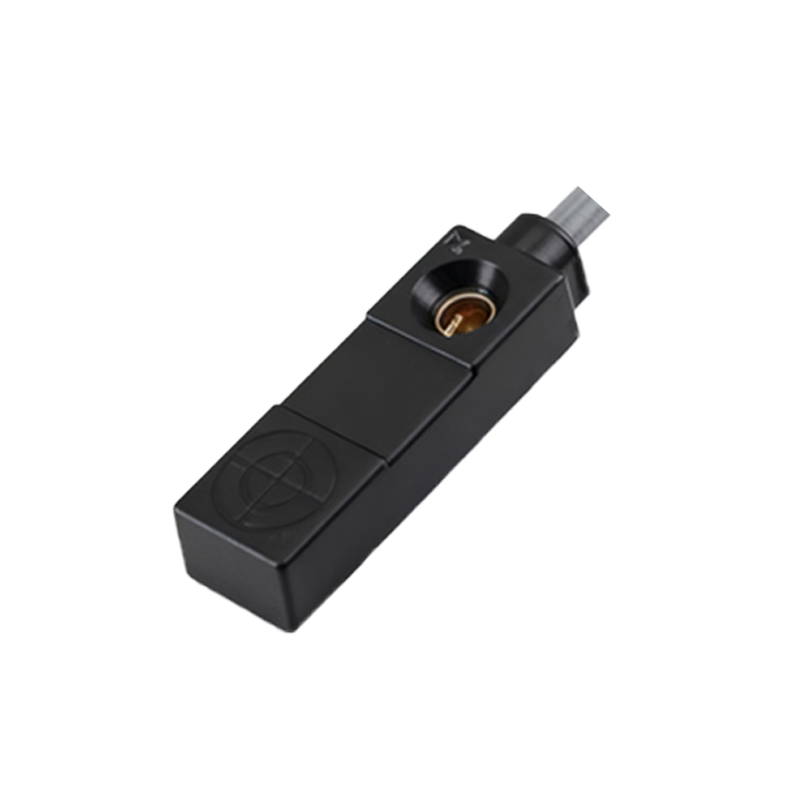
Photoelectric sensors utilize light beams (visible, infrared, or laser). A target is detected when it interrupts (through-beam) or reflects (retro-reflective or diffuse) the light beam back to the receiver. They offer the longest sensing ranges and can detect virtually any object, regardless of material. Common uses include detecting transparent bottles, small components, or objects on high-speed conveyors.
The advantages of using proximity sensors are manifold. Their non-contact nature eliminates mechanical wear and tear, ensuring a long operational life and minimal maintenance. They provide high-speed, repeatable responses essential for fast-paced automation. Being solid-state devices, they are highly reliable and resistant to vibration. Furthermore, their output is a clean electrical signal easily integrated into Programmable Logic Controllers (PLCs) and other control systems, forming the sensory nervous system of an automated plant.
From ensuring robotic arms operate safely by detecting human intrusion in collaborative workspaces to verifying the closure of elevator doors, proximity sensors are pivotal for safety. They act as interlock devices, preventing machinery from operating unless a guard is in place or a component is correctly positioned. In the automotive industry, they are ubiquitous, used in everything from wheel speed detection for anti-lock braking systems (ABS) to sensing gear position in transmissions.
In conclusion, the role of the proximity sensor transcends simple detection. It is an enabler of precision, efficiency, and safety in industrial automation. By providing reliable, real-time data about the physical world to digital control systems, these sensors form a critical bridge between mechanical processes and electronic intelligence. Their continuous evolution, with trends toward miniaturization, increased intelligence (IO-Link), and enhanced robustness, ensures they will remain a cornerstone technology in the advancing landscape of Industry 4.0 and smart manufacturing.