In the realm of industrial automation, the reliability and precision of sensing components are paramount. The MR-1880J1A, a three-wire DC inductive proximity switch, stands as a robust and widely utilized solution for non-contact object detection in demanding environments. This article provides a comprehensive technical overview and practical application guide for this specific sensor model.
The MR-1880J1A is fundamentally an electromagnetic device designed to detect the presence of metallic objects without physical contact. Operating on the principle of electromagnetic induction, it generates a high-frequency oscillating magnetic field from its sensing face. When a ferrous or non-ferrous metal target enters this field, eddy currents are induced on the target's surface. This causes a change in the oscillation amplitude within the sensor's internal LC tank circuit. This change is detected by the circuitry, which subsequently triggers a solid-state switching output. The "three-wire" designation refers to its standard wiring configuration: one wire for DC power supply positive (typically brown), one for DC power supply negative or common (typically blue), and one for the switched output signal (typically black). This output is often of the NPN (sourcing) or PNP (sinking) type, with the MR-1880J1A commonly available in both configurations to interface seamlessly with various PLCs (Programmable Logic Controllers) and control systems.
Key technical specifications define the MR-1880J1A's operational envelope. Its sensing distance, a critical parameter, is typically rated. For instance, a standard model might offer a nominal sensing range of 8mm. It is crucial to note that this is the rated operating distance for a standard target (usually a square of mild steel). Factors like target material, size, and shape can affect the actual sensing range. The sensor operates on a DC supply voltage, commonly within a range of 10-30V DC, ensuring compatibility with standard industrial control voltages. Its output current capacity, often around 200mA, determines the load it can drive directly, such as relays, solenoid valves, or PLC input modules. The housing is typically constructed from nickel-plated brass or stainless steel, providing excellent resistance to corrosion, oils, and coolants. Furthermore, many variants feature IP67 or higher ingress protection ratings, making them suitable for washdown environments and offering robust protection against dust and temporary immersion.
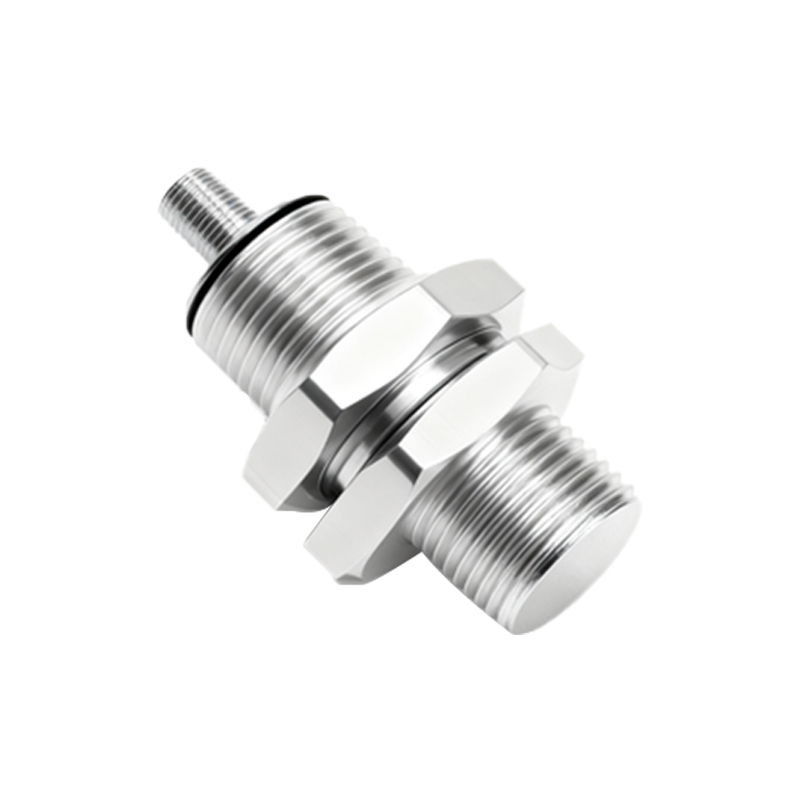
The application scope for the MR-1880J1A is extensive across factory floors. Common use cases include position sensing for machine tool slides, end-of-travel detection for actuators and cylinders, part presence verification on conveyor lines, and counting metallic objects. Its non-contact nature eliminates mechanical wear, ensuring a long operational life with minimal maintenance. When installing the MR-1880J1A, several best practices must be observed. Proper alignment between the sensor face and the target is essential for reliable detection. Installers must also be mindful of the "flush-mountable" or "non-flush-mountable" design. Flush-mountable models can be embedded in metal without affecting their sensing characteristics, whereas non-flush models require a clear zone around the sensing face. Another critical consideration is mutual interference; mounting two identical sensors too close to each other can cause erratic operation, so maintaining the manufacturer's recommended separation distance is necessary.
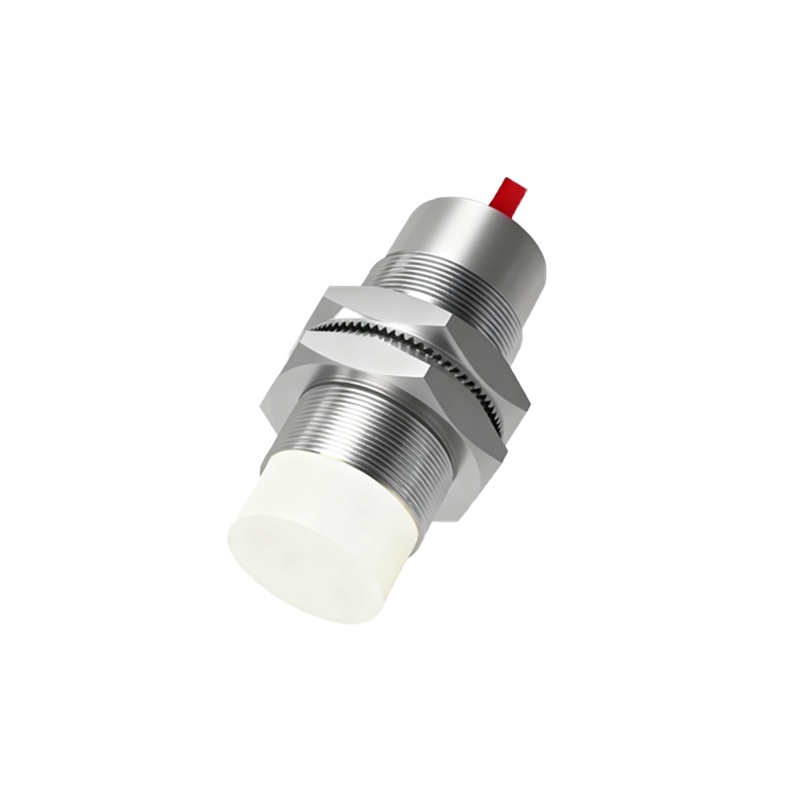
Troubleshooting typically involves checking the basics: verifying the correct DC power supply voltage and polarity, ensuring the load connected to the output is within specifications, and confirming that the target material, size, and approach speed are within the sensor's capabilities. An LED indicator, a standard feature on most models, provides immediate visual feedback on power status and output switching, greatly aiding in diagnostics.
In comparison to two-wire sensors, the three-wine design of the MR-1880J1A offers distinct advantages, particularly in leakage current and residual voltage. Two-wire sensors, while simpler to wire, have a small leakage current even in the "off" state and a residual voltage drop when "on," which can sometimes cause issues with sensitive control inputs. The three-wire design effectively eliminates these concerns, providing a crisp, clean switching signal. When selecting a sensor for a specific task, engineers must weigh factors such as the required sensing distance, target material, environmental conditions (temperature, contaminants), electrical requirements (NPN vs. PNP), and housing style (threaded barrel, rectangular).
In conclusion, the MR-1880J1A three-wire inductive proximity sensor represents a mature, reliable, and versatile technology for industrial metal detection. Its robust construction, consistent performance, and straightforward integration make it a staple component in automated systems. A thorough understanding of its operating principles, specifications, and installation guidelines is essential for automation engineers and technicians to ensure optimal system reliability and longevity. Proper selection and application of this sensor directly contribute to reduced downtime