In the realm of industrial automation, the demand for precise, reliable, and compact sensing solutions has never been higher. Among the various technologies available, thin-film proximity sensors have emerged as a pivotal component for metal detection, offering distinct advantages in performance and integration. These sensors operate on the principle of electromagnetic induction, where an oscillating circuit generates a high-frequency magnetic field. When a metallic object enters this field, eddy currents are induced on the metal's surface, causing a change in the sensor's oscillation amplitude or frequency. This alteration is detected and converted into an electrical signal, triggering an output such as a switch or a measurement reading.
Thin-film proximity sensors are characterized by their ultra-slim profile, often less than a few millimeters in thickness, making them ideal for applications with stringent space constraints. Unlike traditional inductive sensors with bulky coils, thin-film variants utilize advanced microfabrication techniques to deposit conductive layers onto flexible or rigid substrates. This design not only reduces size but also enhances durability and resistance to environmental factors like vibration, moisture, and temperature fluctuations. Common materials for the sensing element include copper or aluminum alloys, optimized for detecting ferrous and non-ferrous metals like steel, aluminum, and copper.
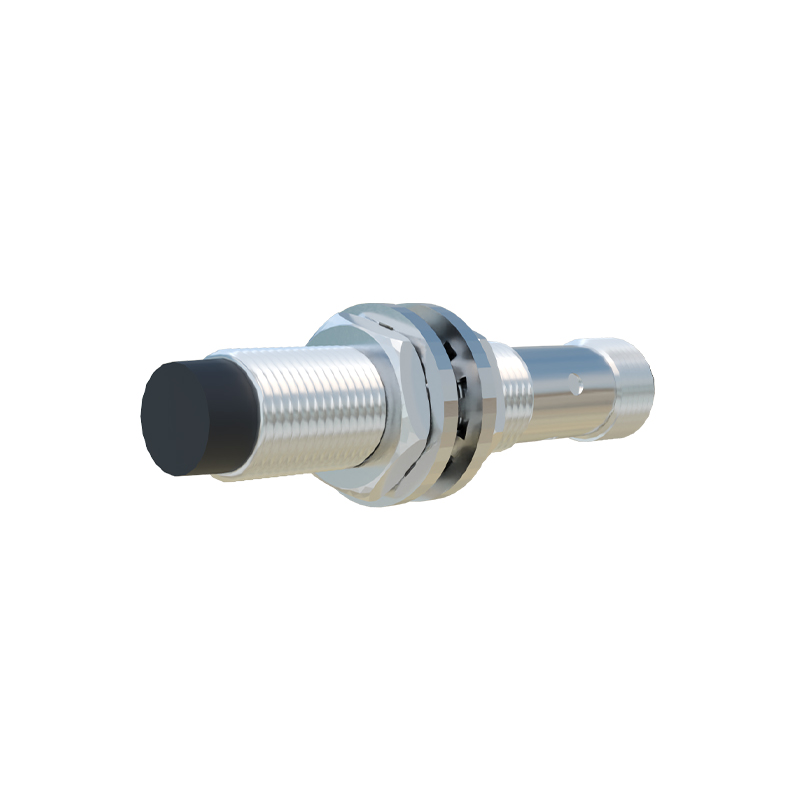
The applications of thin-film proximity sensors in metal detection are vast and varied. In manufacturing lines, they are employed for position sensing, object counting, and end-of-travel detection in machinery. For instance, in robotic arms, these sensors ensure accurate gripper alignment by detecting metal components without physical contact, thereby minimizing wear and tear. In the automotive industry, they monitor the presence of metal parts in assembly processes, enhancing quality control. Additionally, thin-film sensors are integral to safety systems, such as detecting metal obstructions in automated doors or elevators, preventing accidents and ensuring operational integrity.
One of the key benefits of thin-film technology is its high sensitivity and fast response time. Due to the reduced mass and optimized electromagnetic design, these sensors can detect small metal objects at distances ranging from a few millimeters to several centimeters, depending on the sensor size and metal type. Response times are typically in the microsecond range, enabling real-time feedback in high-speed automation scenarios. Moreover, thin-film sensors exhibit low power consumption, aligning with energy-efficient industrial trends. They can be powered by low-voltage DC sources, making them compatible with modern control systems like PLCs (Programmable Logic Controllers) and IoT (Internet of Things) networks.
When selecting a thin-film proximity sensor for metal detection, engineers must consider several factors. The sensing distance, or "switching distance," should be calibrated based on the target metal's properties, as ferrous materials generally yield longer ranges than non-ferrous ones. Environmental conditions also play a crucial role; sensors with IP67 or higher ratings are recommended for harsh environments involving dust, oils, or washdowns. Output configurations, such as NPN (sinking) or PNP (sourcing) transistors, analog signals, or IO-Link digital interfaces, should match the control system requirements. Regular maintenance, including cleaning of the sensor face to prevent debris accumulation, ensures long-term reliability.
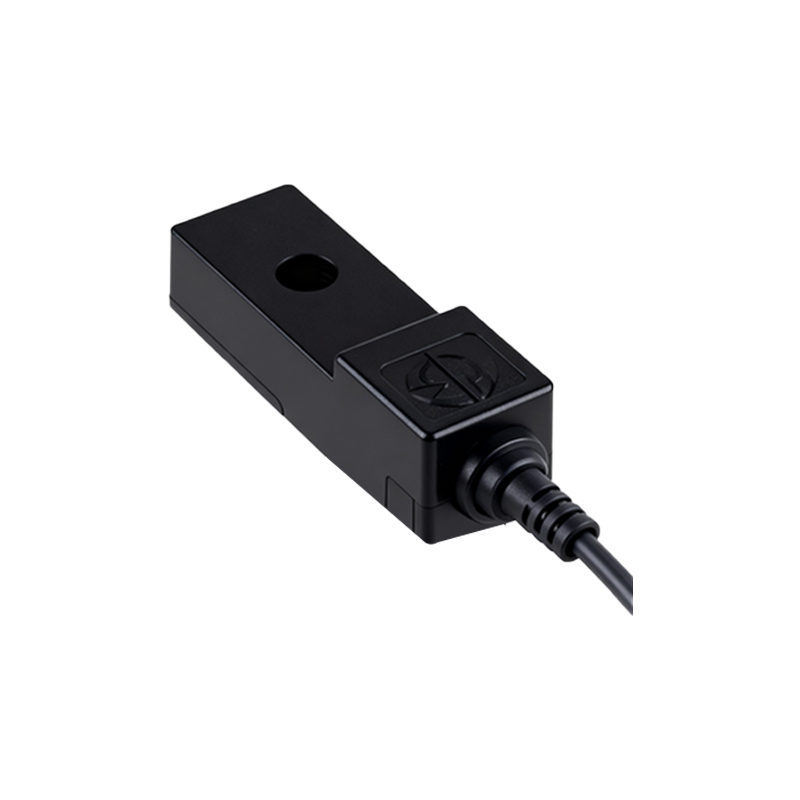
In summary, thin-film proximity sensors represent a significant advancement in metal detection technology, combining miniaturization with robust performance. Their ability to operate without physical contact reduces maintenance costs and extends equipment lifespan, while their adaptability supports diverse industrial applications. As automation continues to evolve, these sensors are poised to play an even greater role in enhancing efficiency, safety, and precision across sectors from electronics to heavy machinery. By leveraging thin-film innovations, engineers can address complex sensing challenges and drive the next wave of smart manufacturing.