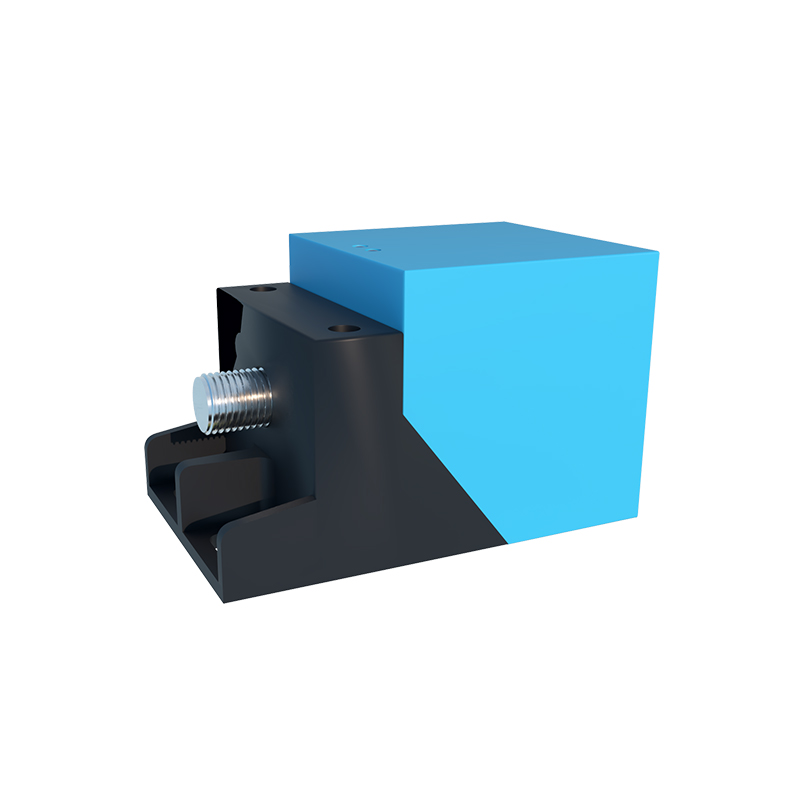
In the realm of industrial automation and machinery, proximity sensors play a pivotal role in enabling non-contact detection, enhancing efficiency, and ensuring operational safety. Among the diverse offerings in the market, the E2ES05S12WCC1 stands out as a robust and reliable inductive proximity sensor designed for demanding applications. This article delves into the technical specifications, operational principles, typical use cases, and key considerations for integrating this sensor into various systems.
The E2ES05S12WCC1 is an inductive proximity sensor, a type of device that detects the presence of metallic objects without physical contact. It operates on the principle of electromagnetic induction. The sensor generates an oscillating electromagnetic field from its sensing face. When a metallic target enters this field, eddy currents are induced in the object, causing a change in the oscillation amplitude. The sensor's internal circuitry detects this change and triggers a switching action, typically by altering the output state of a solid-state switch. This non-contact method offers significant advantages, including reduced mechanical wear, high-speed operation, and immunity to surface conditions like dirt or oil.
Key specifications define the performance envelope of the E2ES05S12WCC1. The "05" in its model number often denotes a 5mm diameter sensing face, indicating a compact form factor suitable for space-constrained installations. The sensing distance, a critical parameter, is typically 1.5mm for this model, with a guaranteed operational range (the switching distance) specified under standard conditions. It features a built-in amplifier, meaning the oscillator, demodulator, and output switching circuit are all contained within the sensor housing. The output configuration is crucial; the "WCC1" suffix commonly indicates a 3-wire DC type with a normally open (NO) or normally closed (NC) complementary output, often supporting both PNP (sourcing) and NPN (sinking) wiring, though the exact configuration must be verified from the official datasheet. Operating voltage usually ranges from 10-30V DC, making it compatible with standard industrial control voltages. Its housing is typically constructed from nickel-plated brass or stainless steel, offering excellent resistance to corrosion, cutting fluids, and coolants commonly found in machine tool environments. Furthermore, it often boasts an IP67 or higher ingress protection rating, ensuring reliable performance in the presence of dust and temporary immersion in water.
The application spectrum for the E2ES05S12WCC1 is broad, thanks to its durability and precision. In automated assembly lines, it is frequently used for part presence verification, ensuring a component is in the correct position before a robotic arm performs a pick-and-place operation. Within CNC machining centers, these sensors monitor tool position, detect the end of a feed stroke, or confirm the closure of safety doors. They are indispensable in material handling systems for counting metallic objects on conveyors or detecting the position of pallets and lifts. The sensor's compact size makes it ideal for integration into small mechanisms, jigs, and fixtures where reliable position feedback is required.
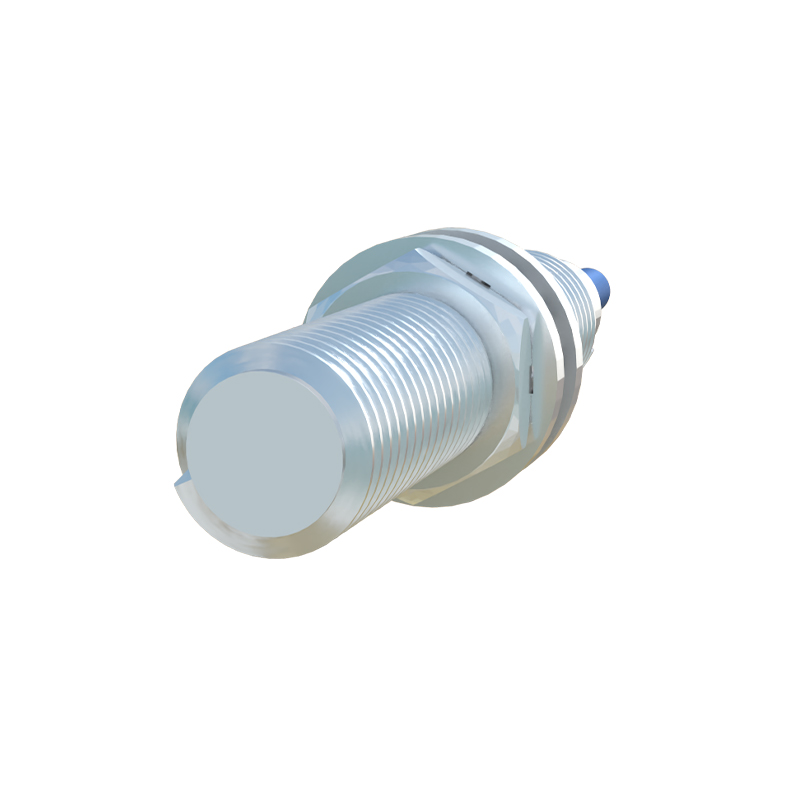
Selecting and installing the E2ES05S12WCC1 requires attention to several factors. First, the target material must be ferrous (like iron or steel) or non-ferrous metals (such as aluminum, copper, brass); the sensing distance varies with material type, usually reduced for non-ferrous metals. The sensor's data sheet provides reduction factors. Second, the mounting environment is critical. While the sensor is rugged, it should be installed considering potential interference from other electromagnetic sources, strong magnetic fields, or adjacent sensors. Flush-mountable models allow installation in metal without affecting the sensing range, while non-flush types require a non-metallic surrounding area. Electrical connection must adhere to the specified wiring diagram, paying close attention to the voltage polarity, load current, and the use of a protective circuit or fuse if necessary. For diagnostics, many models feature an LED indicator that shows the power status and switching state, aiding in setup and troubleshooting.
In conclusion, the E2ES05S12WCC1 inductive proximity sensor represents a mature and highly effective solution for non-contact metal detection in industrial settings. Its combination of a compact design, robust construction, and reliable switching performance makes it a preferred component for engineers designing automated systems that demand precision and longevity. By understanding its operating principles, carefully reviewing its specifications against the application requirements, and following proper installation guidelines, system integrators can leverage this sensor to build more efficient, safe, and intelligent machinery. As automation continues to evolve, components like the E2ES05S12WCC1 will remain fundamental building blocks in the interconnected landscape of modern manufacturing.