Metal proximity sensors are indispensable components in modern industrial automation, offering reliable, non-contact detection of metallic objects. These sensors operate on the principle of electromagnetic induction or eddy current generation. When a metallic target enters the sensor's electromagnetic field, it causes a change in the oscillation amplitude within the sensor's coil. This change is detected and converted into a switching signal, triggering an output without any physical contact. This fundamental operating principle underpins their numerous advantageous features.
One of the most significant characteristics of metal proximity sensors is their exceptional reliability and long operational life. The absence of mechanical contact between the sensor and the target eliminates wear and tear caused by physical impact or friction. This makes them ideal for high-cycle applications where traditional mechanical limit switches would rapidly degrade. They can perform millions of operations without failure, ensuring consistent performance and reducing maintenance downtime and associated costs. This durability is crucial in harsh industrial environments.
Another key feature is their high switching speed and frequency response. Proximity sensors can detect objects at very high speeds, often in the range of several kilohertz. This capability allows for precise timing and positioning in fast-moving production lines, such as in packaging machinery, assembly robots, or high-speed sorting systems. The rapid response time ensures that processes remain synchronized and efficient, contributing to overall productivity.
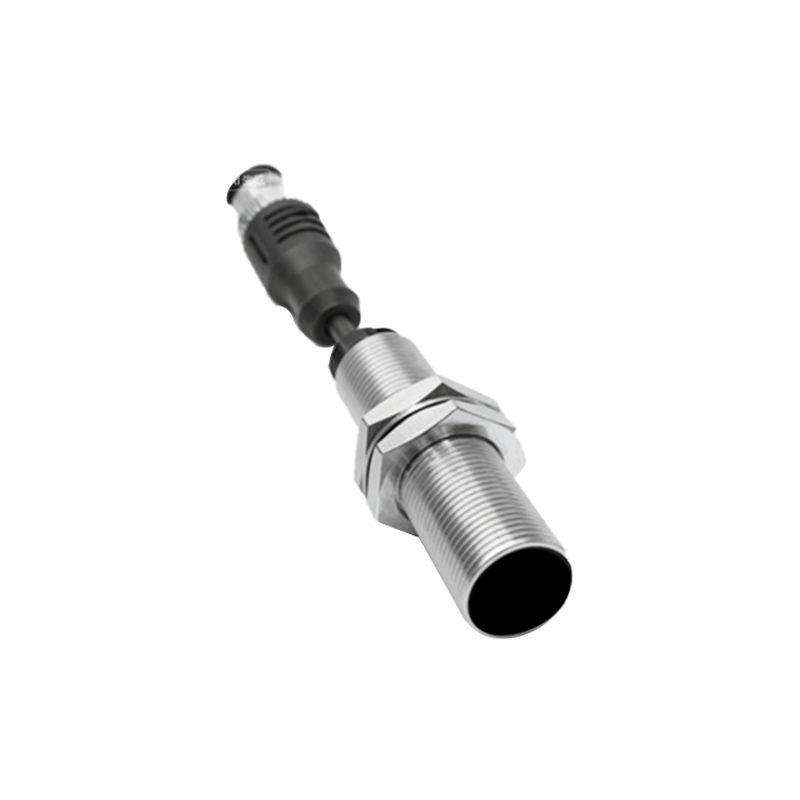
Environmental robustness is a defining attribute. High-quality metal proximity sensors are typically housed in rugged casings made from materials like stainless steel, nickel-plated brass, or PBT plastic. They are designed to withstand extreme conditions commonly found in industrial settings. Many models offer high degrees of ingress protection (IP67, IP68, IP69K), making them resistant to dust, water jets, and even temporary immersion. They can also tolerate exposure to oils, coolants, and chemical splashes, as well as significant temperature variations, vibration, and shock. This resilience ensures stable operation in demanding areas like metalworking, automotive manufacturing, and food processing.
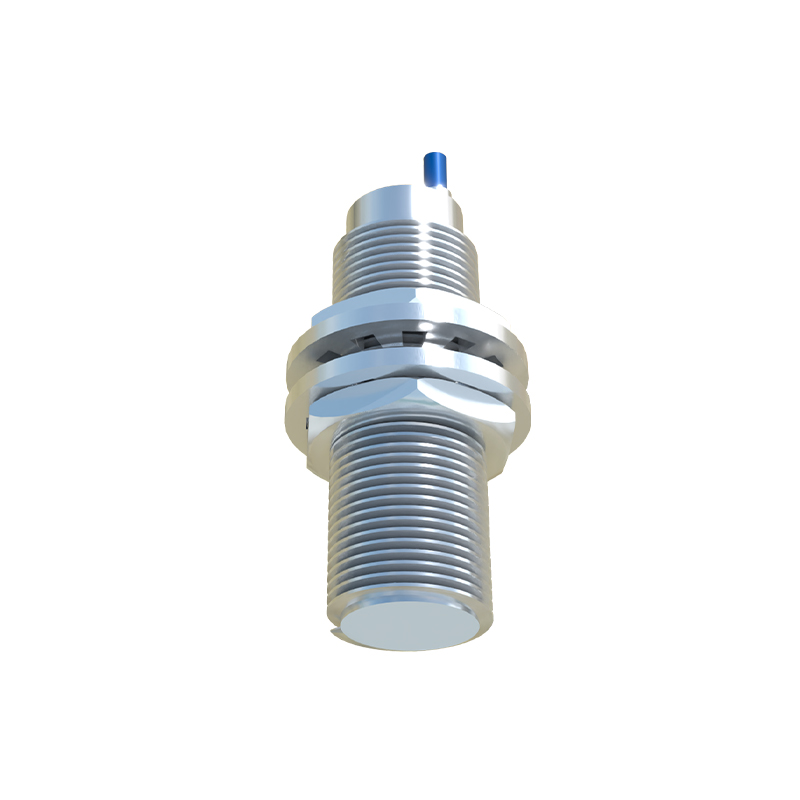
The versatility in sensing ranges and mounting options adds to their appeal. Sensing distances vary from a few millimeters to several tens of millimeters, depending on the sensor size and technology (e.g., shielded or unshielded). Shielded (flush-mountable) sensors can be installed flush with metal surfaces without affecting their sensing field, simplifying installation. Unshielded (non-flush) sensors offer longer sensing ranges. Their compact cylindrical or rectangular form factors allow for installation in space-constrained locations. Furthermore, they are available with various output configurations—including NPN, PNP, NO (normally open), NC (normally closed), and analog outputs—providing compatibility with a wide range of PLCs (Programmable Logic Controllers) and control systems.
Accuracy and repeatability are paramount. These sensors provide precise and consistent detection, with minimal hysteresis. The switching point remains stable even with variations in supply voltage or ambient temperature within specified limits. This precision is essential for applications requiring exact positioning, such as in robotic tool changing, CNC machine tooling, or part presence verification on an indexing table.
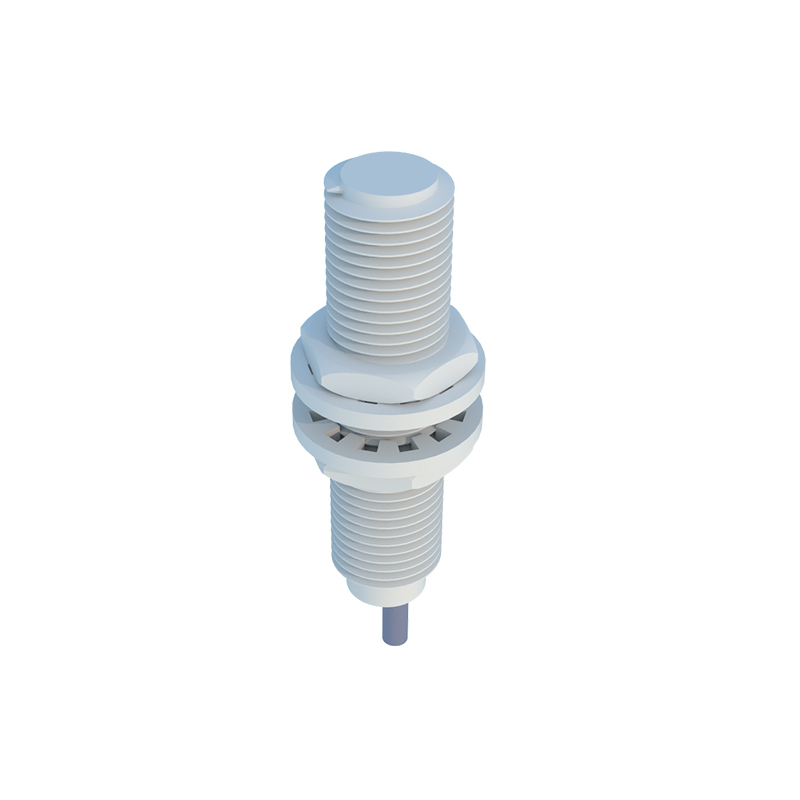
Finally, their inherent safety and simplicity are major benefits. As non-contact devices, they do not apply force to the target, protecting delicate objects. They also eliminate the risk of sparking, which is a critical safety factor in potentially explosive atmospheres (with appropriately certified models). Installation and setup are generally straightforward, requiring no complex alignment or ongoing adjustment in most standard applications.
In conclusion, metal proximity sensors provide a robust, fast, and maintenance-free solution for object detection in automation. Their durability, speed, environmental resistance, and precision make them a cornerstone technology for enhancing efficiency, safety, and reliability across countless industrial sectors, from material handling and automotive to pharmaceuticals and beyond.