In the realm of industrial automation and electrical control systems, proximity switch sensors are indispensable components. Their ability to detect the presence or absence of an object without physical contact ensures reliability, longevity, and precision in countless applications, from assembly lines to safety interlocks. However, the consistent and safe performance of these devices across global markets hinges on adherence to rigorous international standards. This article delves into the key standards governing proximity sensors, providing electrical engineers with a clear framework for selection, application, and compliance.
The cornerstone of electrical equipment standards in many regions is the International Electrotechnical Commission (IEC) framework. For proximity sensors, the pivotal standard is IEC 60947-5-2: Low-voltage switchgear and controlgear - Part 5-2: Control circuit devices and switching elements - Proximity switches. This comprehensive document defines essential characteristics, including:
Operating Principles: It classifies sensors based on their sensing technology, such as inductive (for metals), capacitive, ultrasonic, and photoelectric (though photoelectric often references IEC 60947-5-2 or IEC 61131-2).
Performance Ratings: Standardizes key parameters like rated operational voltage, current, switching frequency, and sensing distance (Sn). The concept of "useful sensing distance (Su)" and its derating due to temperature or voltage fluctuations is clearly outlined.
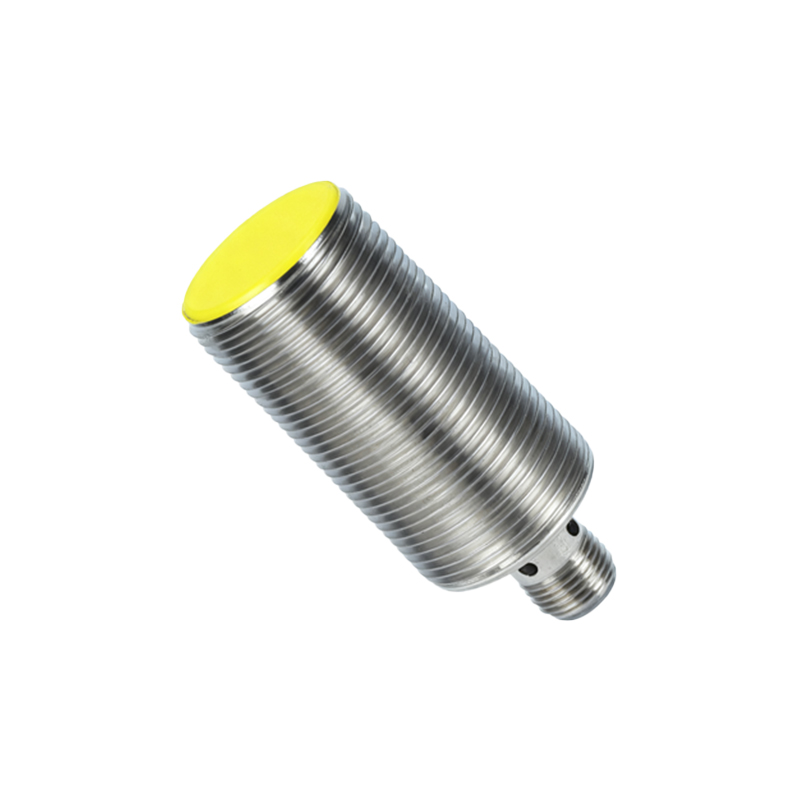
Output Configurations: Defines the electrical characteristics of output types, including DC PNP/NPN sourcing/sinking, and AC two-wire configurations.
Testing and Durability: Specifies testing procedures for mechanical (like IEC 60068-2 for shock/vibration) and electrical endurance, ensuring the device can withstand its stated number of operating cycles.
Protection and Safety: References ingress protection (IP) codes per IEC 60529 and outlines requirements for safe failure modes, crucial for functional safety applications.
In North America, the corresponding and widely recognized standard is UL 508A (Industrial Control Panels) and the component recognition under UL 60947-5-2. While harmonized with IEC in many aspects, UL standards place significant emphasis on specific safety and construction requirements for the North American market. Engineers must ensure sensors are UL listed or recognized for integration into control panels certified to UL 508A. Furthermore, for hazardous locations where flammable gases or dust may be present, certifications like ATEX (EU Directive 2014/34/EU) in Europe and UL/CSA Class/Division system or the newer IECEx/IEC 60079 series for Zone classification are non-negotiable. A sensor marked "ATEX II 2G Ex ia IIC T6" or "UL Class I, Div 2" communicates its approved use in specific explosive atmospheres.
Beyond basic operation and safety, performance verification is critical. The NAMUR standard (DIN EN 60947-5-6) is vital for process industries. NAMUR sensors are two-wire devices operating with low power (typically 8.2V,<1mA) and are designed to interface intrinsically safe barriers in hazardous areas. Their output is not a switch contact but a signal level change monitored by a separate amplifier, enhancing diagnostic capability for open or short circuits.
For engineers integrating sensors into networked systems, output signal conformity is paramount. Analog output sensors (e.g., 4-20mA, 0-10V) should comply with IEC 60381 or IEC 60688 series for signal transmission standards. Digital communication protocols like IO-Link, which is standardized under IEC 61131-9, are becoming ubiquitous. IO-Link not only transmits the switch status but also provides detailed parameterization, identification data, and diagnostic information from the sensor itself, enabling Industry 4.0 predictive maintenance strategies.
When selecting a proximity sensor, an engineer's checklist must include:
1. Compliance: Does the sensor carry the necessary marks (CE, UL, ATEX, etc.) for the target market and application environment?
2. Technical Alignment: Are its electrical characteristics (voltage, output type, current load) and performance metrics (sensing distance, repeat accuracy, temperature rating) per IEC 60947-5-2 suitable for the application?
3. Mechanical & Environmental: Does its housing material, IP rating, and resistance to chemicals/vibration meet the installation conditions?
4. Functional Safety: For safety-related functions (e.g., guard door monitoring), is the sensor designed and certified per relevant sections of IEC 61508 and ISO 13849?
In conclusion, proximity switch sensor standards are not mere bureaucratic hurdles but essential tools that ensure interoperability, safety, and