In the realm of industrial automation and control systems, square photoelectric sensors have established themselves as indispensable components. Their robust, often compact, cubic housing distinguishes them from cylindrical counterparts, offering distinct advantages in mounting and integration. These sensors operate on a fundamental principle: they emit a beam of light, typically from an LED source, and detect changes in the received light to sense the presence, absence, or distance of an object. This non-contact method of detection ensures high reliability, longevity, and minimal wear, making them superior to mechanical limit switches in countless applications.
The core functionality hinges on three primary modes of operation: through-beam, retro-reflective, and diffuse reflective. Through-beam sensors consist of separate emitter and receiver units. An object is detected when it interrupts the light beam traveling between them. This mode offers the longest sensing ranges and highest reliability, as it is less susceptible to object color, texture, or reflectivity. Retro-reflective sensors house both emitter and receiver in a single unit, using a reflector to bounce the light beam back. Detection occurs when an object blocks this return path. They provide a good balance of range and convenience, requiring wiring on only one side. Diffuse reflective sensors, also self-contained, detect an object by measuring the light reflected directly off its surface. While sensing distance is shorter and can be influenced by the object's color and finish, this mode simplifies installation as no separate reflector or receiver is needed.
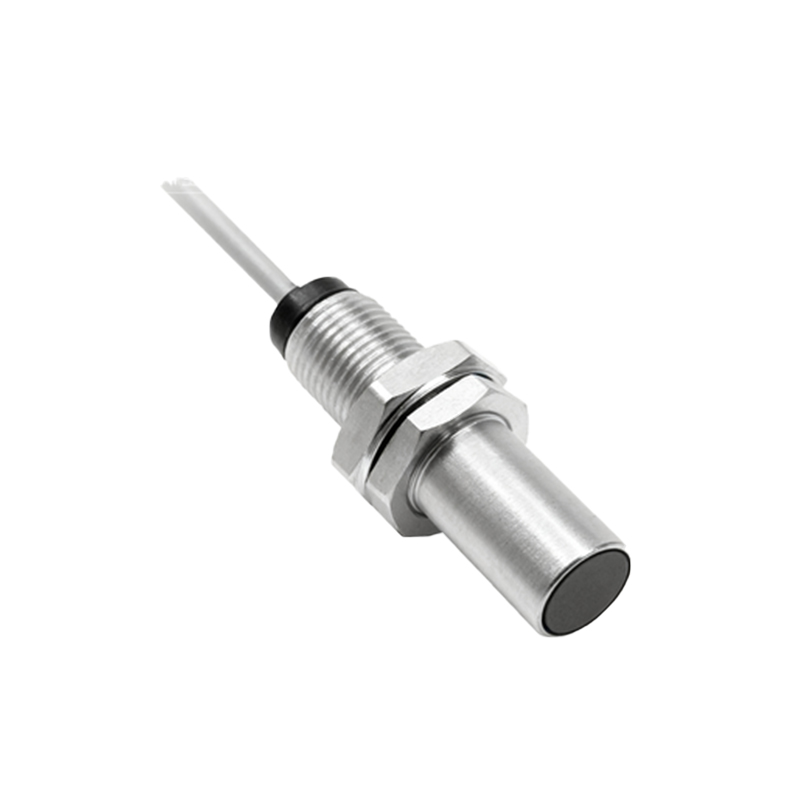
The square form factor is a key design feature. It allows for easier mounting on flat surfaces or in machined slots, often providing multiple mounting options on different faces. The housing is typically engineered from durable plastics or metals, offering high degrees of ingress protection (IP ratings) against dust and water, which is crucial for harsh industrial environments like packaging lines, automotive assembly, or material handling. Many square sensors also feature built-in indicators for power and output status, and some offer advanced functionalities like background suppression. Background suppression technology allows the sensor to ignore objects beyond a set distance, enabling precise detection at a specific range regardless of the object's reflectivity or the presence of a more distant background.
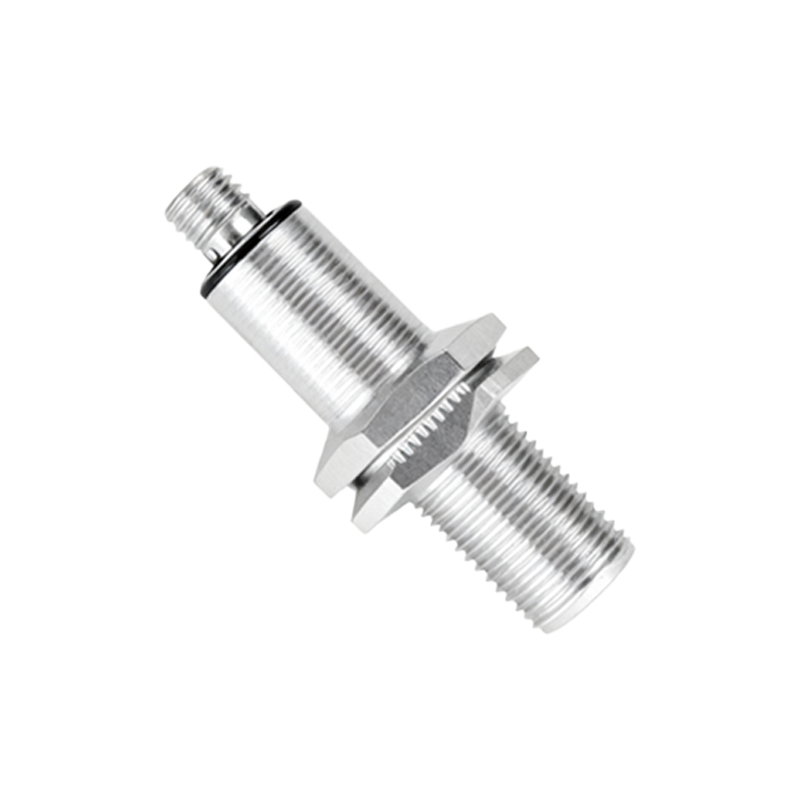
The applications for square photoelectric sensors are vast and varied. In manufacturing, they are ubiquitous for part counting on conveyor belts, verifying the presence of components in an assembly jig, or detecting the edge of material in web processes. Within packaging machinery, they ensure cartons are properly positioned for filling or labeling. They play a critical role in automated warehousing, controlling the height of stacks on pallets or ensuring products are correctly oriented for robotic pick-and-place systems. Beyond heavy industry, they find use in commercial automation, such as detecting users at automatic doors or monitoring paper levels in high-volume printers.
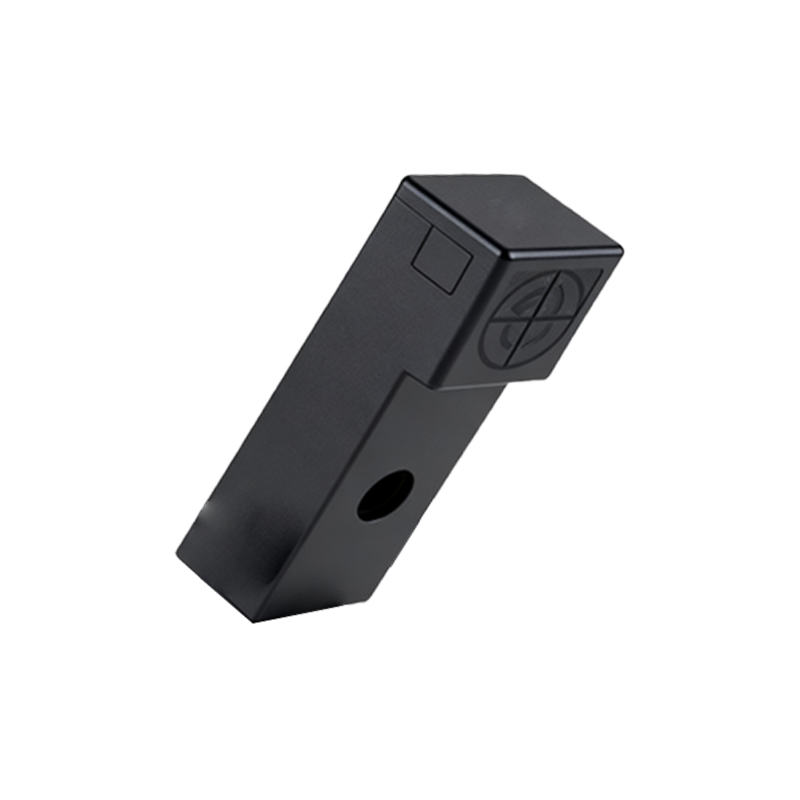
Selecting the right square photoelectric sensor requires careful consideration of several parameters. The required sensing distance and the mode of operation are the primary drivers. Environmental factors are equally critical; one must consider ambient light conditions, potential contamination from oil or dust, and operational temperature ranges. The output type—whether a discrete NPN, PNP, or analog signal—must be compatible with the programmable logic controller (PLC) or other control system. Finally, physical constraints like available space and required mounting configuration will determine the ideal sensor size and housing style.
Installation and alignment, while generally straightforward, demand attention. For through-beam and retro-reflective types, precise alignment between emitter, receiver, and reflector is essential for optimal performance. Even diffuse sensors require consideration of the target's properties and the angle of incidence. Modern sensors often incorporate alignment aids, such as visible red light beams or precise alignment marks, to simplify this process. Regular maintenance, primarily keeping the lens clean from obstructions, ensures consistent, long-term operation.
In conclusion, the square photoelectric sensor is a versatile, reliable workhorse of modern automation. Its non-contact sensing principle, combined with a rugged and practical housing design, makes it a preferred solution for a multitude of detection tasks across diverse industries. From ensuring the smooth flow of production to enabling complex robotic operations, these sensors provide the essential "eyes" for automated systems, translating physical presence into actionable electrical signals with remarkable consistency and precision. Understanding their operating modes, features, and application requirements is key to leveraging their full potential in any control or monitoring system.