In the rapidly evolving landscape of modern aviation, technological integration is paramount for enhancing safety, efficiency, and operational capabilities. Among the myriad of advanced systems onboard contemporary aircraft, proximity sensor technology stands out as a critical component. This technology, often operating silently in the background, plays a fundamental role in preventing collisions, aiding navigation, and ensuring the structural integrity of the aircraft during all phases of flight.
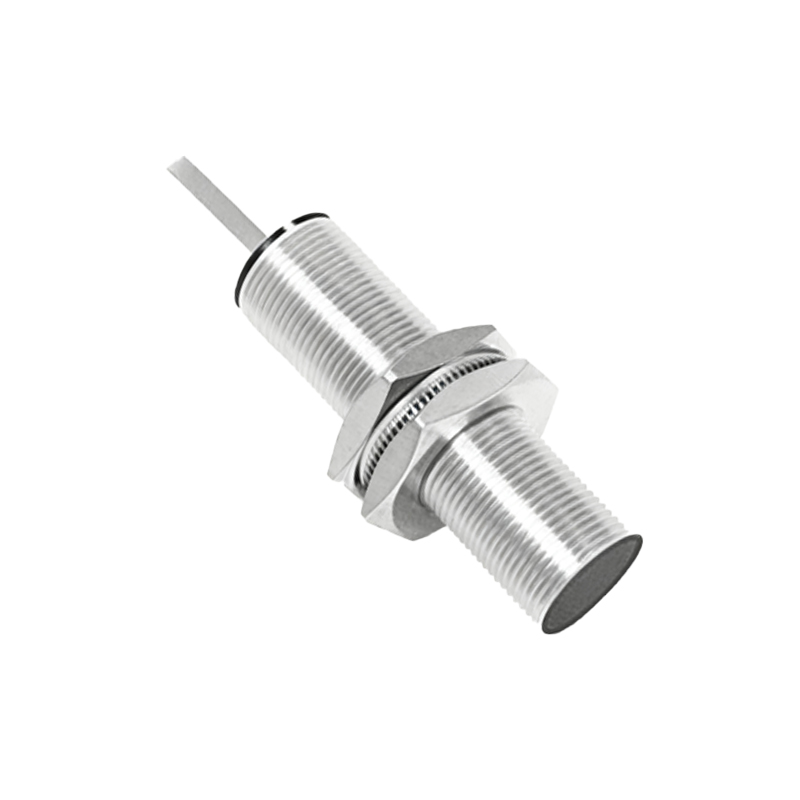
Proximity sensors on aircraft are sophisticated devices designed to detect the presence, absence, or distance of nearby objects without any physical contact. They function by emitting a field or beam of electromagnetic radiation, such as infrared light, laser, or radio waves, and then analyzing the reflected signal. The primary objective is to provide real-time data to the aircraft's flight control computers and pilots, creating a comprehensive awareness of the immediate environment. This is especially crucial in situations where human visual perception is limited, such as during low-visibility conditions, night operations, or in congested airspace.
The applications of this technology are diverse and integral to flight safety. One of the most well-known implementations is the Terrain Awareness and Warning System (TAWS), which uses proximity sensing to alert pilots if the aircraft is in immediate danger of flying into the ground or an obstacle. Similarly, systems like the Traffic Collision Avoidance System (TCAS) rely on transponder signals to determine the proximity and trajectory of other aircraft, providing resolution advisories to avoid mid-air collisions. On the ground, proximity sensors are vital for safe taxiing, parking, and docking, preventing wingtip collisions with other aircraft or ground support equipment.
Beyond external object detection, proximity sensors are extensively used within the aircraft's own systems. They monitor the position of landing gear, flaps, slats, and cargo doors, confirming whether these moving parts are correctly locked in place. In modern fly-by-wire aircraft, sensors continuously monitor control surface positions, providing essential feedback to the flight control computers. This internal network of sensors ensures that the aircraft's configuration is always optimal and safe for the current flight regime, from takeoff to landing.
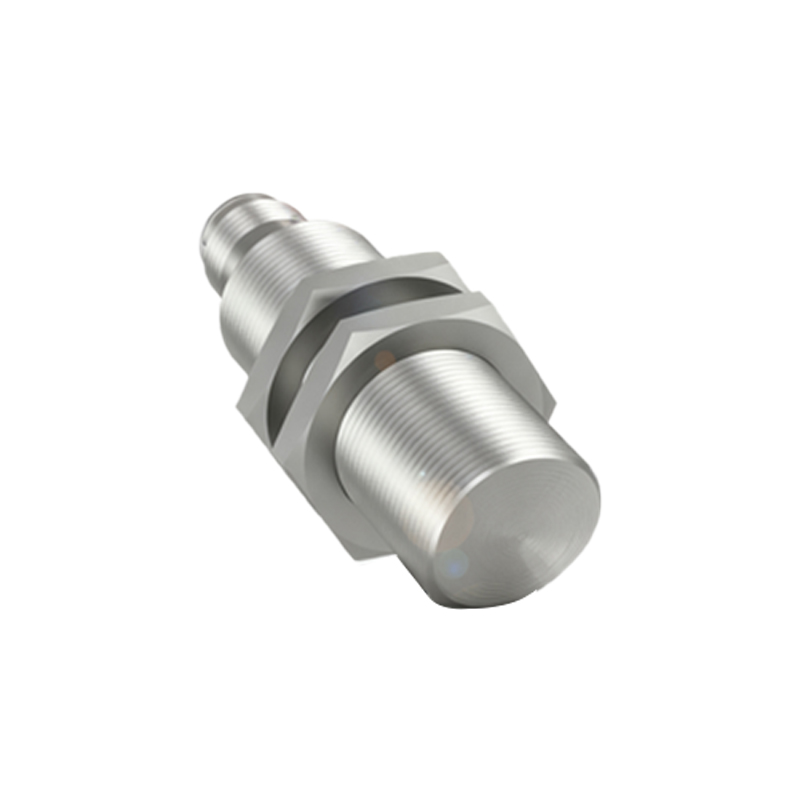
The development of proximity sensor technology has progressed significantly from simple mechanical switches to advanced solid-state systems. Modern sensors are smaller, more reliable, and capable of operating in extreme environmental conditions, including wide temperature ranges, high vibration, and electromagnetic interference. The integration of data from multiple sensor types—such as radar, lidar, and ultrasonic sensors—into a fused situational awareness display is a key focus for next-generation aviation. This sensor fusion provides a more accurate and reliable picture than any single system could alone, reducing the likelihood of false alarms and missed detections.
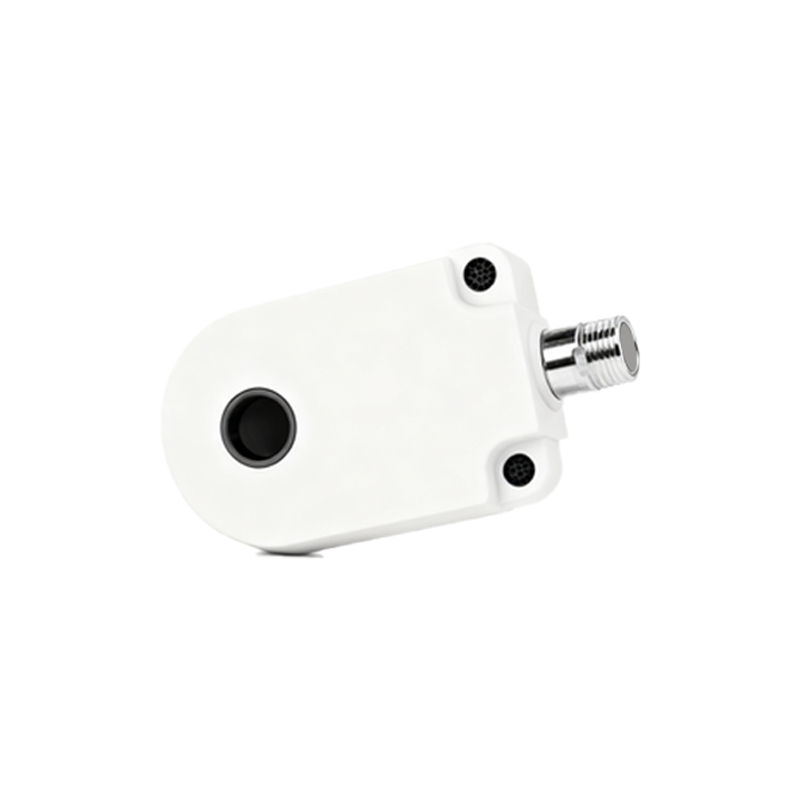
Looking forward, the role of proximity sensors is set to expand with the advent of new aviation paradigms. The development of Urban Air Mobility (UAM) vehicles and autonomous cargo drones places an even greater emphasis on robust, fail-safe sensing systems. These aircraft will operate in complex, low-altitude environments where obstacles are numerous and dynamic. Advanced proximity sensing, combined with artificial intelligence for threat assessment and decision-making, will be the cornerstone of their operational certification and public acceptance.
In conclusion, proximity sensor technology is not merely an auxiliary feature but a foundational element of modern aircraft design and operation. It forms an invisible shield that significantly enhances situational awareness, automates critical monitoring functions, and provides last-line-of-defense alerts against potential hazards. As aviation continues to advance towards greater autonomy and complexity, the precision, reliability, and intelligence of proximity sensing systems will remain indispensable for ensuring that the skies stay safe for all.