Infrared proximity sensors are pivotal components in automation, robotics, and safety systems, leveraging infrared light to detect objects without physical contact. These sensors operate by emitting an infrared beam and measuring the reflection or interruption to determine presence, distance, or motion. Their non-contact nature ensures minimal wear, high reliability, and adaptability across diverse environments. This article explores the primary types of infrared proximity sensors, their working principles, and industrial applications, providing insights for engineers and technicians in the electrical and automation fields.
The most common type is the diffuse reflective sensor, which uses a single unit to both emit and receive infrared light. It detects objects by analyzing the light reflected back from the surface. These sensors are ideal for short-range applications, such as object counting on conveyor belts or position sensing in assembly lines. However, their performance can be affected by object color and reflectivity—lighter surfaces reflect more light, enhancing detection, while darker ones may reduce accuracy. To mitigate this, modern diffuse sensors often incorporate background suppression technology, focusing on a specific range to ignore distant objects or reflections.
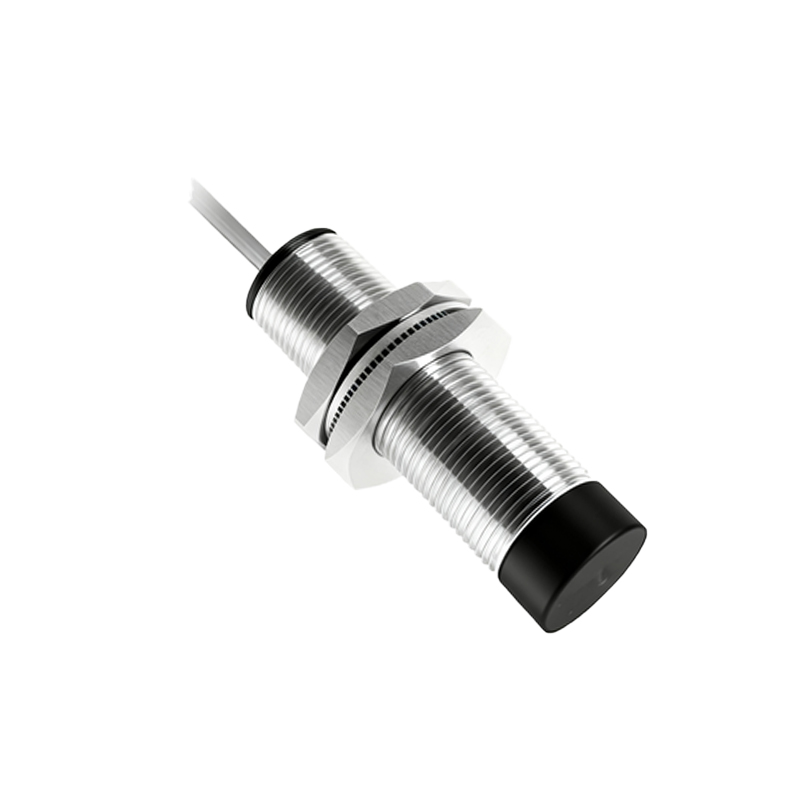
Another key type is the through-beam sensor, consisting of separate emitter and receiver units placed opposite each other. The sensor detects an object when it interrupts the infrared beam between the units. This design offers high precision and long-range capabilities, making it suitable for safety barriers, packaging machinery, and large-scale industrial automation. Through-beam sensors are less influenced by object properties like color or material, ensuring consistent performance in challenging conditions, such as dusty or humid environments.
Retro-reflective sensors represent a hybrid approach, using a reflector to bounce the infrared beam back to the receiver. When an object blocks the beam, the sensor triggers detection. These are efficient for medium-range tasks, like palletizing or door control systems, as they require only one wiring point compared to through-beam setups. However, they may struggle with shiny objects that could inadvertently reflect light, though polarized filters are often integrated to address this issue.
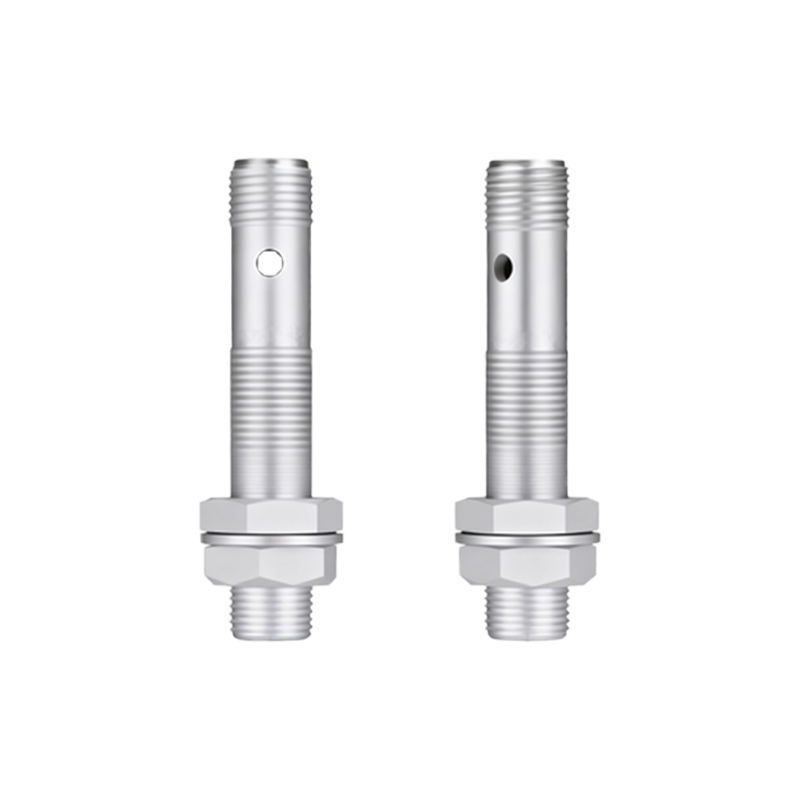
Advanced infrared proximity sensors include modulated types that emit pulsed infrared light, reducing interference from ambient light sources like sunlight or artificial lighting. This modulation enhances signal-to-noise ratio, enabling reliable operation in outdoor or brightly lit settings. Such sensors are widely used in automotive applications, such as parking assistance or obstacle detection, where environmental variability is high.
In industrial contexts, infrared proximity sensors contribute to efficiency and safety. For instance, in manufacturing, they enable precise robotic arm movements by detecting part positions, while in logistics, they facilitate automated sorting and inventory management. Their fast response times—often in milliseconds—support high-speed processes without compromising accuracy. Additionally, these sensors are integral to safety systems, such as machine guarding, where they halt equipment if a worker enters a hazardous zone, preventing accidents.
When selecting an infrared proximity sensor, engineers must consider factors like sensing range, response time, environmental resistance (e.g., IP ratings for dust and water), and output type (e.g., digital or analog). Regular maintenance, such as lens cleaning and alignment checks, ensures longevity and optimal performance. As technology evolves, innovations like smart sensors with IoT connectivity are emerging, allowing for real-time monitoring and predictive maintenance in Industry 4.0 applications.
Overall, infrared proximity sensors offer versatile solutions for non-contact detection, driving advancements in automation and safety. By understanding their types and applications, professionals can implement effective systems tailored to specific industrial needs, enhancing productivity and operational reliability.