In the rapidly evolving landscape of automotive technology, Light Detection and Ranging (LiDAR) sensors have emerged as a cornerstone for the development of autonomous vehicles (AVs) and sophisticated Advanced Driver-Assistance Systems (ADAS). Unlike traditional cameras or radar, LiDAR employs pulsed laser light to create high-resolution, three-dimensional maps of the surrounding environment with exceptional accuracy. This capability is fundamental to enabling vehicles to perceive, interpret, and navigate complex real-world scenarios safely.
The core principle of automotive LiDAR is time-of-flight measurement. The sensor emits rapid pulses of laser light—typically in the near-infrared spectrum for safety—and precisely measures the time it takes for each pulse to reflect off an object and return to the sensor. By calculating this interval and knowing the speed of light, the system can determine the exact distance to every point it scans. Millions of these data points are collected per second, generating a dynamic, real-time 3D point cloud. This rich spatial data allows the vehicle's central computer to identify and classify objects such as pedestrians, cyclists, vehicles, and road boundaries with a level of precision that cameras alone cannot reliably achieve, especially in challenging lighting or weather conditions.
Modern automotive LiDAR systems are categorized primarily by their scanning mechanism. Mechanical spinning LiDARs, often seen on early prototype autonomous vehicles, use rotating assemblies of lasers and receivers to provide a 360-degree field of view. While offering excellent coverage, these systems can be bulky and have concerns regarding cost and long-term mechanical reliability. Solid-state LiDAR represents the next evolutionary step, eliminating moving parts. Technologies like Micro-Electro-Mechanical Systems (MEMS) mirrors, optical phased arrays, and Flash LiDAR (which illuminates the entire scene at once) are driving this shift. Solid-state designs promise greater durability, smaller form factors, and the potential for significant cost reduction through high-volume manufacturing—a critical factor for widespread consumer vehicle adoption.
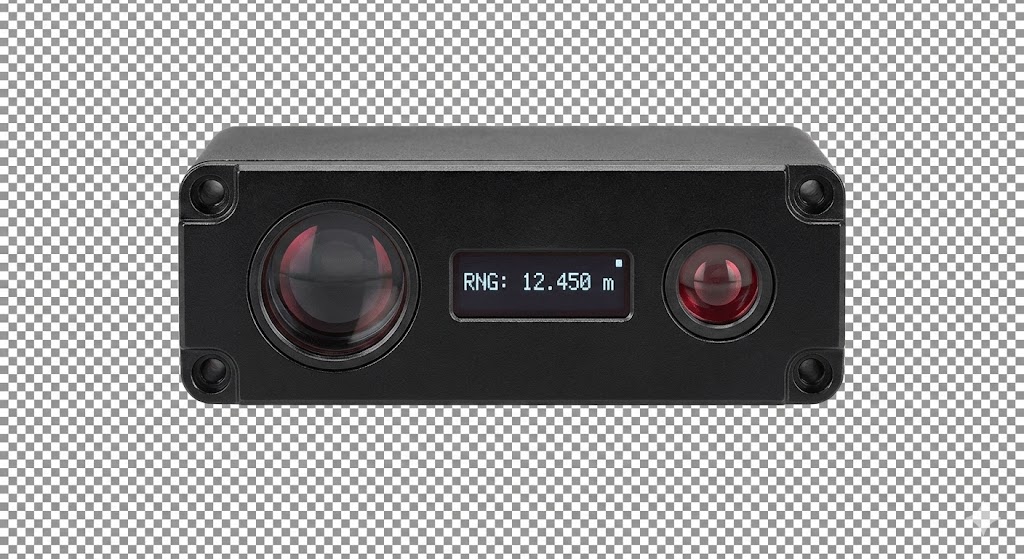
The integration of LiDAR into vehicle architectures is a complex engineering challenge. Sensor fusion is key; LiDAR data is not used in isolation. It is combined with input from complementary sensors like high-resolution cameras, radar, and ultrasonic sensors. Radar excels at measuring velocity and performs well in adverse weather, while cameras provide vital color and texture information for traffic sign recognition and lane detection. The vehicle's perception software uses sophisticated algorithms, often powered by artificial intelligence and machine learning, to correlate data from all these sources, creating a robust, redundant, and comprehensive understanding of the vehicle's environment. This multi-sensor approach mitigates the limitations of any single technology.
For autonomous driving, LiDAR is indispensable for creating detailed local maps and enabling precise localization within them. Beyond full autonomy, LiDAR is enhancing current ADAS features. It enables more accurate and reliable adaptive cruise control, automatic emergency braking with pedestrian detection, and lane-keeping assistance. Future applications include parking assistance that can navigate complex, tight spaces and vehicle-to-everything (V2X) communication systems that share precise positional data for improved traffic flow and safety.
However, the path forward is not without obstacles. Cost remains a significant barrier, though it is decreasing steadily. Engineers are also tackling challenges related to performance in heavy rain, fog, or snow, where laser scattering can occur. Standardization of data formats, safety regulations, and cybersecurity for sensor data streams are active areas of development within the industry and regulatory bodies. Furthermore, the placement and styling of sensors to meet both aerodynamic and aesthetic requirements are important design considerations for OEMs.
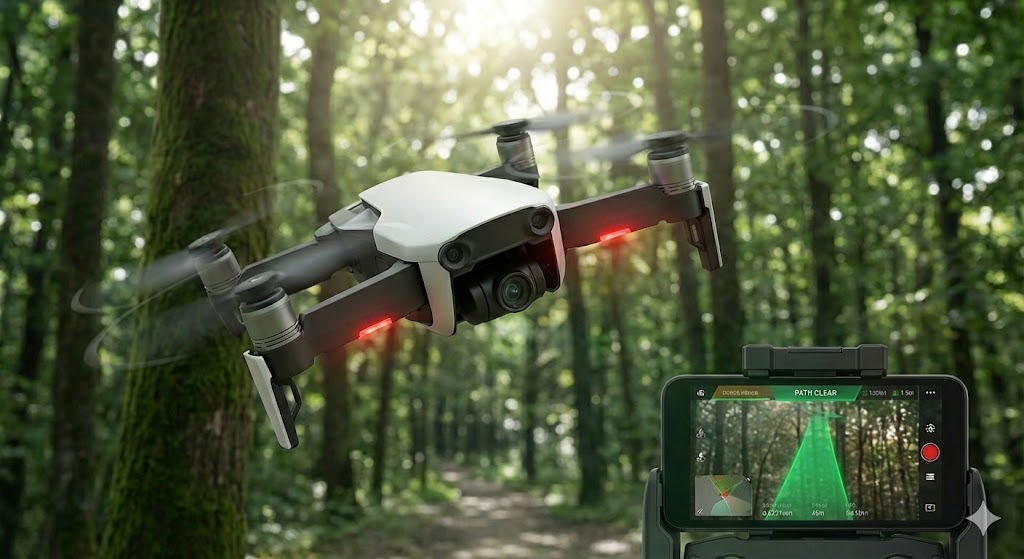
Looking ahead, the trajectory for automotive LiDAR is one of continuous miniaturization, performance enhancement, and cost optimization. The development of longer-range sensors with higher resolution and wider fields of view will expand operational domains for autonomous vehicles. Integration with onboard computing platforms and the evolution of AI perception stacks will further refine system capabilities. As the technology matures, LiDAR is poised to transition from a premium feature in high-end vehicles to a standard safety component, fundamentally reshaping how vehicles interact with the world and paving the way for a safer, more efficient, and ultimately self-driving future.