In the realm of industrial automation and fluid control systems, the integration of proximity sensors with flat slide valves represents a critical advancement in monitoring and operational efficiency. These sensors, specifically designed for flat slide or gate valves, provide non-contact detection of valve position, ensuring precise control over the flow of liquids, gases, or granular materials. This article delves into the technical aspects, selection criteria, and benefits of using proximity sensors in conjunction with flat slide valves, tailored for engineers and technicians in the electrical and automation sectors.
Flat slide valves, also known as knife gate valves, are widely used in industries such as mining, wastewater treatment, pulp and paper, and chemical processing due to their ability to handle slurries, viscous fluids, and abrasive media. The valve operates by sliding a flat gate or blade across the flow path to open or close the passage. Accurate position sensing is paramount to prevent leaks, optimize process cycles, and enhance safety. Traditional mechanical limit switches often fall short in harsh environments due to wear and contamination, making non-contact proximity sensors an ideal solution.
Proximity sensors for flat slide valves typically employ inductive, capacitive, or magnetic sensing technologies. Inductive sensors are common for detecting metal targets, such as the valve gate itself, without physical contact. They generate an electromagnetic field and detect changes caused by the presence of a metallic object, providing a reliable signal for open or closed positions. Capacitive sensors, on the other hand, can sense both metallic and non-metallic materials, making them suitable for valves with composite components. Magnetic sensors utilize magnets embedded in the valve actuator or gate, paired with a sensor that detects magnetic field variations, offering high precision even in dirty or wet conditions.
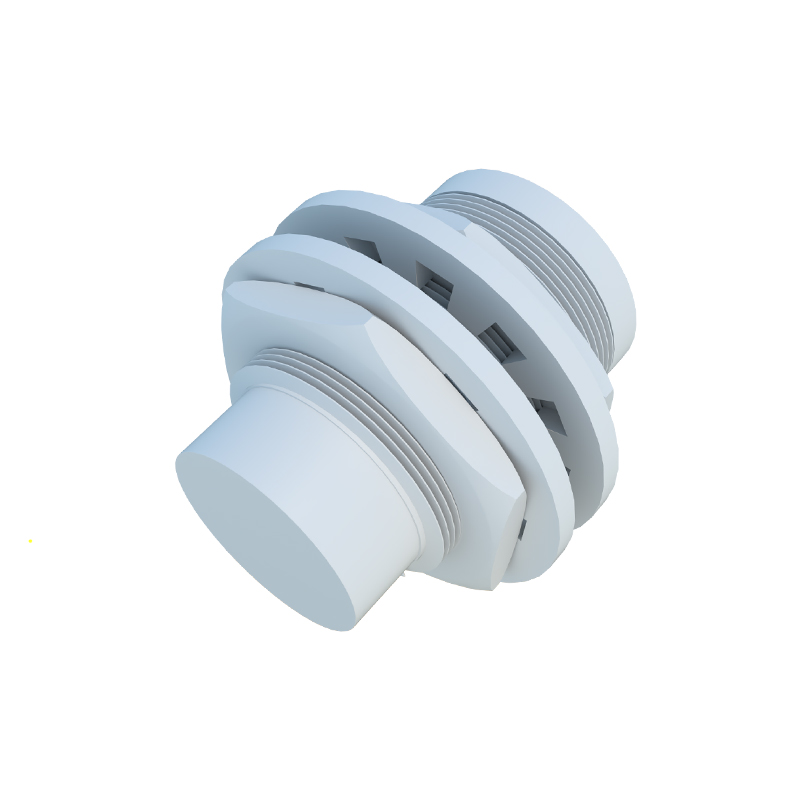
When selecting a proximity sensor for a flat slide valve, several factors must be considered. Environmental conditions play a crucial role; sensors should be rated for appropriate ingress protection (IP) levels to withstand dust, moisture, and chemical exposure. Temperature ranges must align with operational extremes, typically from -25°C to 70°C for standard industrial applications. The sensing distance, or range, should match the valve's movement to ensure accurate detection without false triggers. Additionally, output types—such as PNP, NPN, analog, or IO-Link—need to be compatible with the control system for seamless integration. Durability is another key aspect, with robust housing materials like stainless steel or nickel-plated brass preferred for corrosive or high-impact settings.
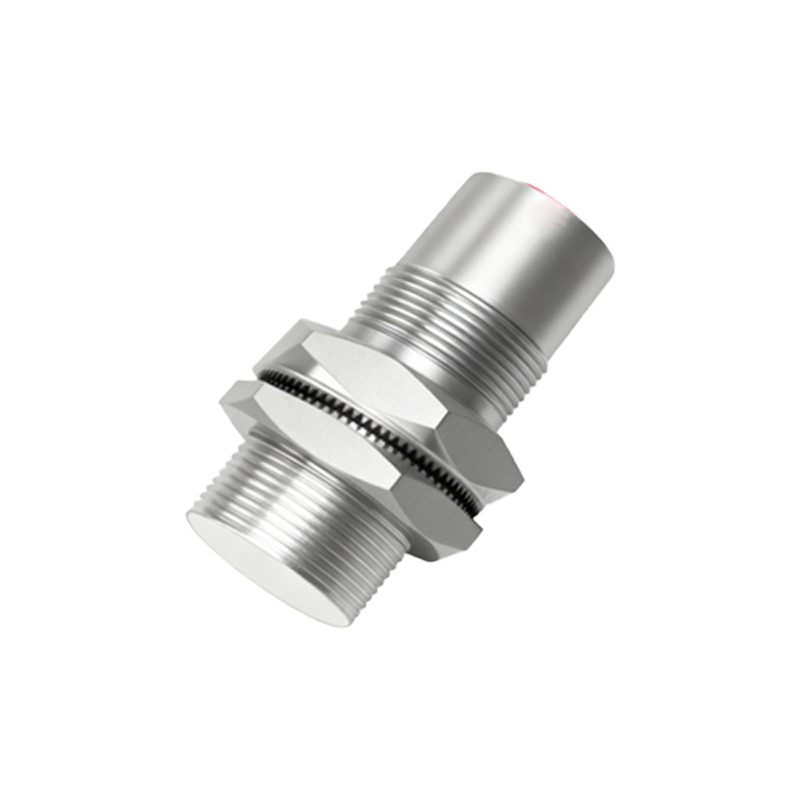
Installation and alignment are critical for optimal performance. Sensors should be mounted securely to avoid vibration-induced misalignment, which could lead to erroneous readings. Proper shielding may be necessary in electrically noisy environments to prevent interference. Regular maintenance, including cleaning of sensor faces and checking connections, helps prolong service life and reliability. Many modern sensors feature LED indicators for status monitoring, simplifying troubleshooting and reducing downtime.
The benefits of using proximity sensors with flat slide valves are substantial. They enhance system reliability by providing real-time feedback on valve position, enabling automated control loops and reducing manual intervention. This leads to improved process efficiency, as valves can be actuated precisely based on sensor inputs, minimizing energy waste and product loss. Safety is also bolstered, as sensors can trigger alarms or shutdowns in case of valve failure or unintended movement. Moreover, the non-contact nature of these sensors reduces mechanical wear, lowering maintenance costs and extending the lifespan of both the sensor and valve assembly.
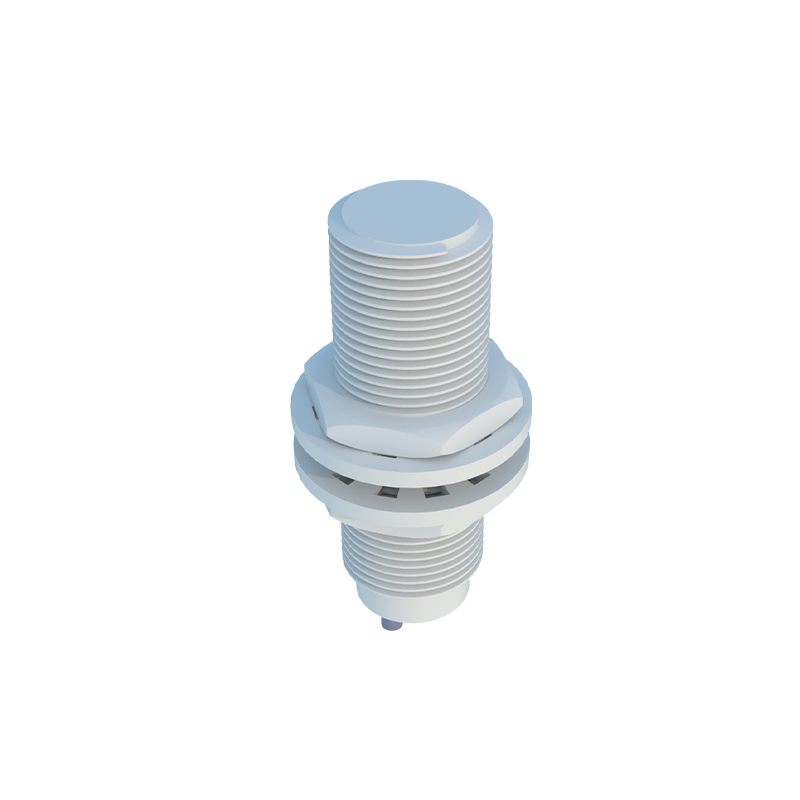
In practice, applications vary from simple on/off detection to complex multi-position sensing. For instance, in a slurry pipeline, a proximity sensor can confirm that a flat slide valve is fully closed before initiating a cleaning cycle, preventing spills. In automated batching systems, sensors ensure valves open and close at exact times, maintaining recipe accuracy. With advancements in smart sensor technology, data from proximity sensors can be integrated into Industrial Internet of Things (IIoT) platforms for predictive maintenance and analytics, further optimizing operations.
In conclusion, proximity sensors are indispensable components for modern flat slide valve systems, offering precision, durability, and adaptability. By understanding the technical specifications and application requirements, engineers can select and implement the right sensor solution to drive operational excellence. As industries continue to embrace automation, the synergy between sensors and valves will remain a cornerstone of efficient and safe fluid handling processes.